Good to Have You Back

Now, we all know white gold isn’t a naturally found metal. It is, in fact, an alloy that dates back as recently as the early 20th century. Platinum was the white metal of choice, but it was so expensive that jewelers wanted a precious yet more affordable alternative. They experimented and soon found that blending gold with alloys such as silver, palladium, or nickel would give it a lustrous white finish and also enhance its durability. And, as the good fortunes would have it – the world now had one of the most beautiful and coveted metals for jewelry – the pristine and graceful white gold.
Does White Gold Jewelry Tarnish?
The short answer to this is no. White gold by itself does not tarnish the same way that copper or silver metal does. It is a precious and durable metal that can stand the test of time. But there’s a caveat – the rhodium plating of the white gold jewelry wears off with time, exposing the faint tints of the underlying yellow gold metal. This makes the white gold metal appear faded or diminished in its brightness and luster. However, this cannot be typically categorized as tarnishing.
Why Does White Gold Tarnish?
When gold is found in nature, it is yellow. For the color to be changed, this is mixed with white metals. However, this still leaves a faint yellow hue. As a result, white gold jewelry is often topped off with rhodium plating – a precious white metal that offers a protective covering. With time, use, and interaction with chemicals, the rhodium plating can wear off, leaving behind the original color of the gold. However, the other metals like silver or nickel in the white gold can indeed tarnish with oxidization and make the gold look dull, dark, and discolored.
Is White Gold More Prone to Tarnishing Than Yellow Gold?
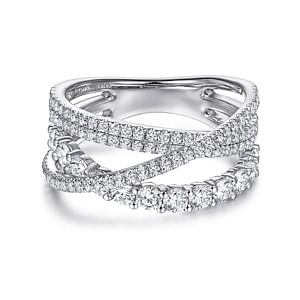
Unlike silver, white gold does not tarnish. It just fades to a natural pale yellow hue with regular wear over time. However, the same does not happen with yellow gold. Yellow gold doesn’t need a protective coating, and even if its color modifies slightly over the years, there is no obvious tarnish.
How to Prevent White Gold Jewelry from Losing Its Sheen?
Proper care and maintenance ensure that white gold jewelry retains its luster and silvery brightness for a long time. To prevent erosion of the rhodium coating and other tarnishes, try to minimize interactions with sweat (which contains salt and acids) and humidity. Exposure to chemicals—chlorine, bleach, perfume, hairspray, and so on—should be avoided to preserve the longevity of the white gold piece.
How to Clean Tarnished White Gold Jewelry?
Generally, white gold does not tarnish, but if it still attains a slightly oxidized hue, it is advisable to have it cleaned by a reputed jeweler. At home, you can use a solution of mild soap and water, dip a cotton swab in it, and then gently wipe the entire piece clean. Do not use harsh cleaners like baking soda, as these can erode the protective rhodium coating.
Can You Restore Tarnished White Gold Jewelry?
If you take it to a reputed jeweler, chances are they will be able to restore the jewelry. However, we recommend getting it cleaned and restored as soon as possible instead of waiting for things to get worse.
Do All White Gold Rings Need Rhodium Plating?
Yes, to ensure that your white gold has the right finish and white luminosity, rhodium plating is ideal. This metal is highly precious, scratch-proof, and highly corrosion-resistant. Ensure your coating of rhodium is of high quality and the right thickness.
How Often Should You Replate White Gold Jewelry?
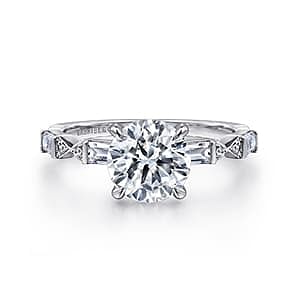
White gold jewelry usually needs rhodium replating every 1 to 3 years. Having said that, this frequency majorly depends on factors like the frequency of wear, your skin’s acidic measure and how well the jewelry is taken care of. If you regularly wear your white gold jewelry, then it might require rhodium plating within a year to maintain its brilliant sheen and refined appeal. The natural body oils and sweat wear off the rhodium plating quickly and that needs to be restored. Frequent exposure to chemicals, harsh sunlight, swimming pools can accelerate the rate at which the white gold may appear faded and slightly yellowish in hue. On the contrary, if you wear your white gold jewelry occasionally, clean it often and store it securely, its luster may well stay intact for years without any need for replating.
White Gold vs Platinum: Which One Tarnishes Less?
Since platinum is a pure metal with negligible alloys, it tends to tarnish less. In contrast, white gold, with its color complexities and the nature of its alloys, tends to shift colors more.
Is Tarnishing a Sign of Poor Quality White Gold?
Not at all. In fact, this is indicative of gold purity. White gold, which is 22k or 18k, has a higher percentage of pure gold, and therefore, the saturation of the yellow hue is greater. 14k white gold, on the other hand, may have more alloys that are prone to tarnishing. It is just a matter of understanding the composition of your jewelry.
Best Practices for Storing White Gold Jewelry
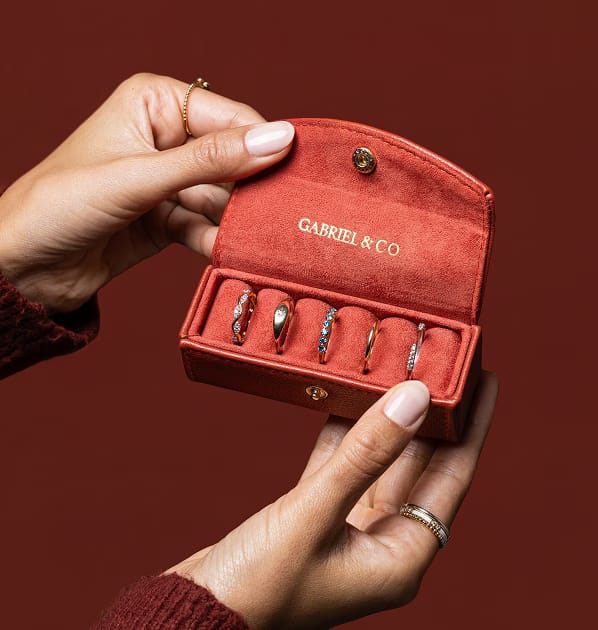
Store your white gold jewelry in a cool, dry place, wrapped in a soft, lint-free cloth and a separate jewelry box when it isn’t in use. Try not to store it with other jewelry pieces, which may rub against it and erode the protective coating.
Can White Gold Jewelry Tarnish in Water?
Frequent exposure to water won’t harm your white gold jewelry, but it can speed up the natural processes of yellowing or tarnishing. So, be mindful of how much you’re exposing it to water, especially if the water is chlorinated, beach or swimming pool water.
How to Tell If White Gold is Tarnished or Just Dirty?
The simplest way is to try and clean the white gold at home. If you’re successful it’s probably just dirty. However, more stubborn stains could potentially be the onset of tarnish, and are best looked at by a jeweler.
Professional Cleaning Services for White Gold Jewelry
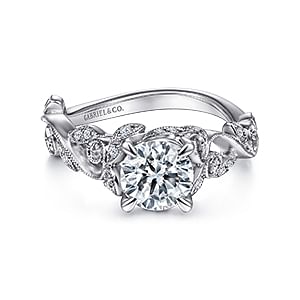
A reputed jeweler will be adept at cleaning and maintaining your white gold jewelry for you, protecting not only its appearance but also fortifying its durability. Make sure you communicate your needs clearly and get a fair estimate of the charges involved before you proceed.
DIY Methods to Clean White Gold Jewelry at Home
Soak your white gold jewelry in a bowl containing a small amount of white vinegar. Let it sit for about 10 minutes. Remove and gently wipe clean. If your jewelry has stubborn edges or crevices where dirt is lodged, use a paper towel or a soft-bristled brush to gently rinse it out.
Is Tarnishing Covered Under Jewelry Warranties?
Every jeweler offers different warranties regarding tarnish, depending on the cause and nature of the tarnish. It is recommended that you read the fine print, consult your jeweler, and buy only from reputed brands.
Is White Gold More Durable Than Other Metals?
White gold is definitely more durable than silver, which is a softer and more malleable metal. However, platinum is a stronger metal than white gold. That being said, the rhodium plating gives white gold an extra edge on durability compared to yellow or rose gold, which has no plating.
Does Skin Acidity Affect White Gold Tarnishing?
The skin contains certain acids that react with your jewelry to corrode some of the metals found in white gold. Over time, don’t be surprised if along with tarnish, you also find green or black spots. This is why regular maintenance and cleaning is so important – to avoid more serious issues.
How to Identify if White Gold Jewelry Needs Replating?
You can slow down the process with extra care, but the outer layer will eventually begin to erode. Once the first signs of yellow or dull discoloration begin to appear, it’s time to think about replating your white gold jewelry.
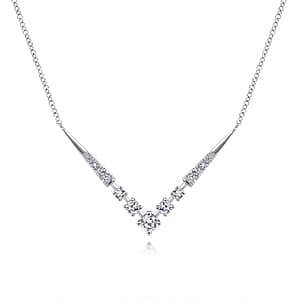
At Gabriel & Co., we offer white gold jewelry with premium-quality rhodium plating that is high on design and durability. We also offer convenient post-care solutions for purchases made at our store. When you shop at our outlets or on our website, you'll pick up a keepsake for a lifetime.