Good to Have You Back

Gold vs. Silver Jewelry: How to Choose the Right Metal for You
Jewelry changes everything. A single piece can soften the way daylight touches your outfit or sharpen the lines you carry into the evening. When it comes to gold vs silver jewelry, each metal creates a different mood and shifts the way an outfit feels. Here’s how both metals shape a look and how to choose the one that fits your energy today.
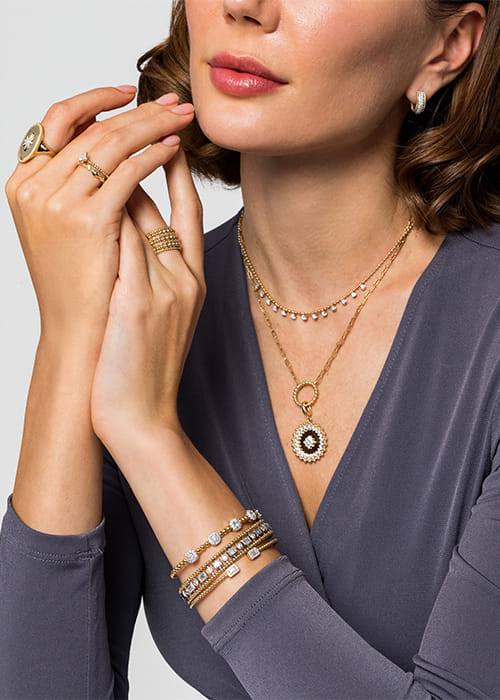
Gold jewelry: when warmth feels right
Imagine you’re wearing a cashmere sweater in rich cream or olive green. A gold necklace rests just under your collarbone and catches soft light when you move. The metal warms against your skin, harmonizes with earthy tones, and gives your outfit a sense of depth and comfort.
Gold jewelry works beautifully when:
- Your outfit features warm or muted colors (cream, camel, rust, forest green).
- Fabrics have texture, such as knitwear, linen, and suede, because the warm tone of gold complements the tactile dimension.
- The atmosphere is soft: late afternoon sun, candlelight, coffee-shop warmth, cozy evenings.
- You want jewelry that feels personal, familiar, perhaps even intimate — a piece that ages with you.
Choosing the right gold alloy
Gold comes in several alloys, each with its own color, mood, and durability. Here’s a closer look at how to pick the one that fits your style:
Yellow gold
The classic warm gold. Most jewelry is 14K (58.3% pure gold) or 18K (75% pure gold), blended with copper and silver. The higher the karat, the richer and warmer the gold, but also slightly softer and more prone to scratches. Yellow gold jewelry pairs beautifully with warm tones like cream, camel, olive, and rust, and it enhances textured fabrics like knits, linen, and suede. It has a timeless glow that feels naturally connected to the skin.
Rose gold
Known for its soft blush tone, rose gold is created by increasing the copper content in the alloy. A typical 14K rose gold contains around 58% gold, 38% copper, and 4% silver, while 18K has 75% gold and a 25% copper/silver mix. The higher copper gives the metal its pink hue and slightly increases durability compared to yellow gold. Rose gold jewelry works well with neutral wardrobes, earthy tones, and soft, romantic looks. Its warm blush adds subtle nostalgia without appearing overly sweet.
White gold
White gold shifts toward a cooler, brighter finish, achieved by mixing gold with pale metals such as palladium, nickel, or sometimes silver. Standard 14K white gold is roughly 58% gold with 42% alloy; 18K is 75% gold with 25% alloy. The metal is often plated to enhance its reflective, silvery-white appearance and increase scratch resistance. White gold jewelry pairs perfectly with modern, structured outfits, crisp shirts, and cooler color palettes like black, grey, and icy blue, giving a refined, luminous finish.
If you want to verify the authenticity of your gold pieces, explore our guide on how to tell if gold jewelry is real.
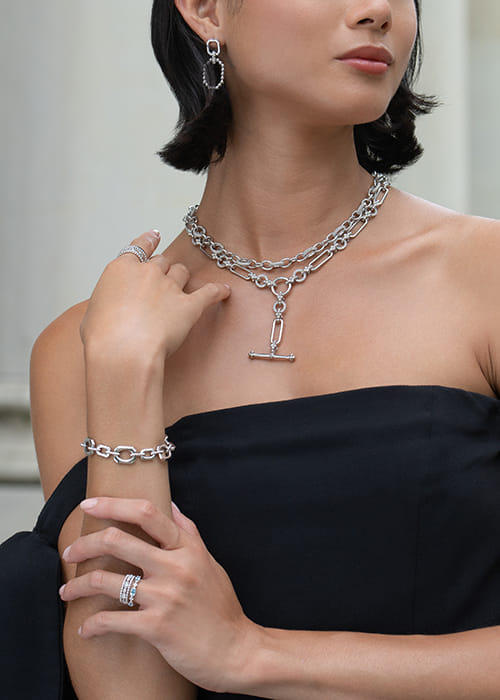
Silver jewelry: the kind of “cool” that never goes out of style
Now imagine wearing a crisp white shirt, perhaps tailored trousers, maybe a denim jacket with dark wash jeans. Silver hoop earrings peek from your ears; a slender silver chain outlines your neckline. Light bounces off the metal and frames your features. Everything in the outfits, structure, color palette, attitude, feels intentional.
Understanding silver composition
Most fine silver jewelry is made of sterling silver, which is 92.5% pure silver mixed with 7.5% other metals, usually copper. The copper adds strength, since pure silver (99.9%) is too soft for daily wear.
Wondering about sterling silver marks on jewelry? Check out our blog post that explains silver hallmarks, history, and more.
Finishes and plating:
- Many pieces are rhodium-plated to prevent tarnishing and increase shine.
- Polished silver has a bright, reflective surface that enhances crisp, structured outfits.
- Matte or brushed finishes soften the look, making it more casual or understated.
Silver finds its strength when:
- Your outfit leans toward monochrome, cool hues, or contrasting dark-light combos like black and white, grey and charcoal, or navy and white.
- Textures are clean and smooth, such as cotton poplin, crisp denim, leather, or minimalistic tailoring.
- You’re threading between day and night, wearing a look that needs to move effortlessly from work to drinks.
- You want jewelry that doesn’t compete but defines, creating a silhouette that outlines and accentuates rather than warms and softens.
Looking for ways to keep your silver jewelry from tarnishing? Check out our dedicated post.
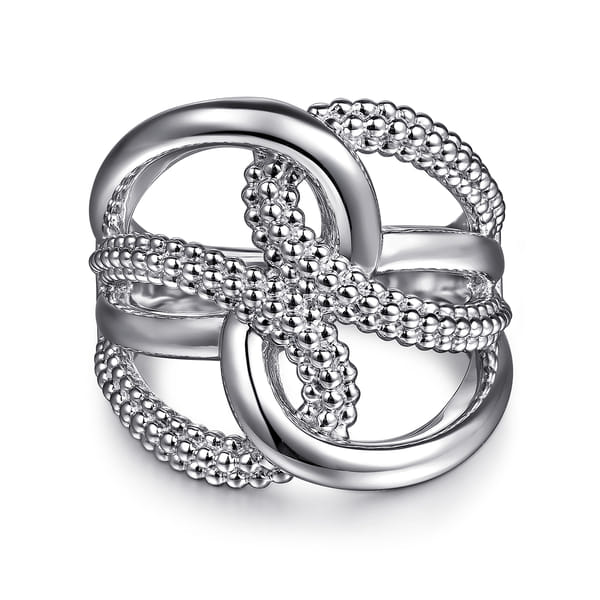
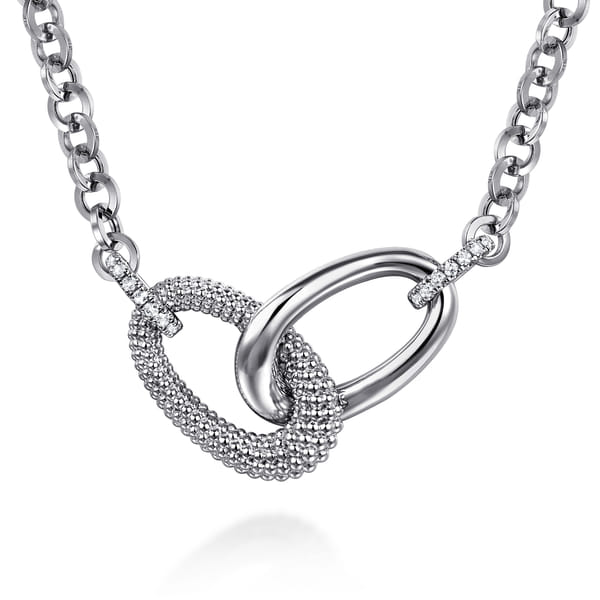
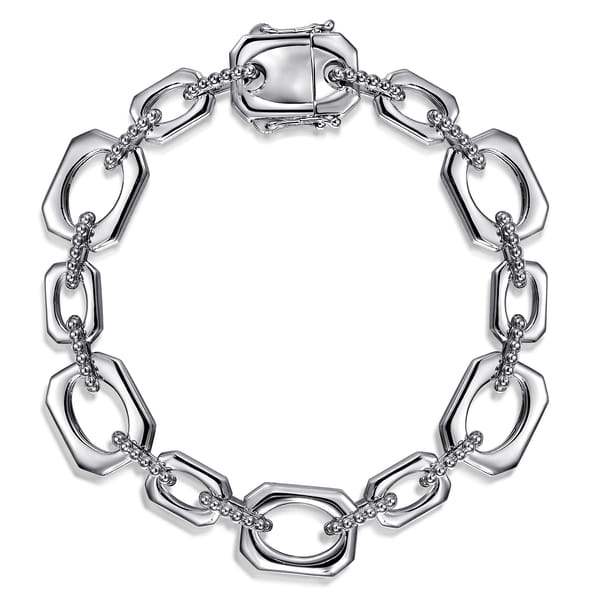
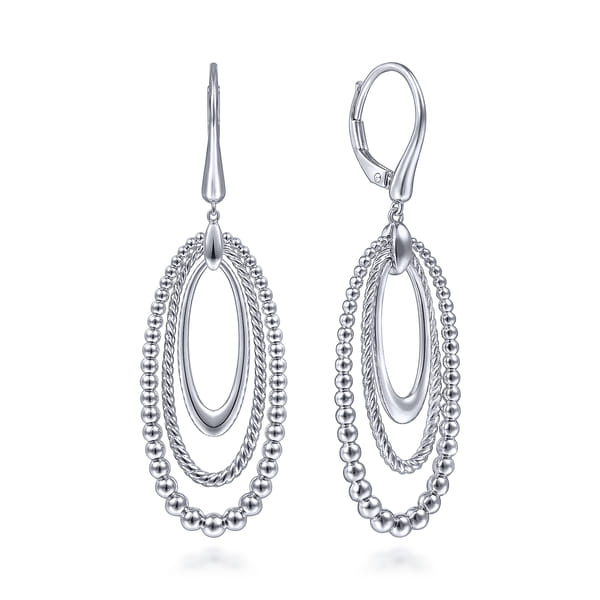
Gold or silver? How to choose the right metal for your skin tone
A simple way to understand which metal flatters you most is the “vein and contrast test.” Look at the veins on the inside of your wrist in natural daylight. If they appear slightly bluish or cool-toned, silver often enhances your natural glow. If they lean toward greenish or warm-olive hues, gold usually complements your undertone more smoothly.
You can also try a quick brightness test. Hold a pure white piece of paper near your face, or wear a plain white tee, and compare how each metal looks against it. Gold tends to warm up the complexion, while silver sharpens and brightens. Notice which one makes your features look more alive.
Here’s a quick guide to help you narrow it down:
- Olive skin: yellow gold adds warmth without overwhelming, while rose gold brings a soft contrast
- Warm undertones: yellow and rose gold enhance your natural glow more than silver
- Cool undertones: silver and white gold brighten and sharpen your features
- Neutral undertones: you can wear both comfortably, but mixed metals often look especially balanced
- Deep skin tones: yellow gold and silver both work beautifully; choose based on whether you want warmth (gold) or contrast (silver)
- Fair skin tones: silver offers clean contrast, while rose gold adds gentle warmth without intensity
Gold vs. silver: a sum up
| Metal | Best Styling Strength | Creates This Effect | Works Especially Well With |
| Yellow gold | Adds warmth and richness | Enhances earth tones and textured fabrics | Cream, camel, rust, olive, knits, linen, suede |
| Rose gold | Adds soft warmth and subtle blush | Adds a nostalgic, romantic undertone | Neutral palettes, soft pinks, autumn tones, natural fabrics |
| White gold | Adds brightness and clarity | Sharpens lines and contrasts | Crisp shirts, tailored pieces, black, grey, icy blues |
| Silver | Adds clarity and contrast | Sharpens and brightens | Denim, monochrome outfits, structured silhouettes |
| Mixed metals | Adds dynamic balance | Combines warmth and coolness for versatility | Layered chains, ring stacks, two-tone jewelry, watches |
Real styling scenarios
Here are a few imagined outfits and how metal choice changes their feel:
1- Weekend brunch in light denim + white tank + linen blazer: Silver necklace, maybe layered with thin silver chains. Clean, easy, a bit fresh.
2- Sunset stroll in a cream knit sweater + wide-leg pants + leather sandals: Gold pendant or hoop earrings bring a soft warmth, echoing the sunlight.
3- Night out in a black satin slip dress + leather jacket: Paired with a silver cuff and minimal silver rings brings out the contrast and adds the right amount of edge.
4- Office day in charcoal trousers + crisp white shirt + camel trench: A watch and a gold bracelet reflect subtle authority; silver stud earrings keep the look modern and sharp.
5- Soft summer outfit in a pastel blouse + linen skirt: Silver or white-toned metal to keep palette airy; or gold for a gentle warm glow, depending on your skin tone.
Blending metals with intention
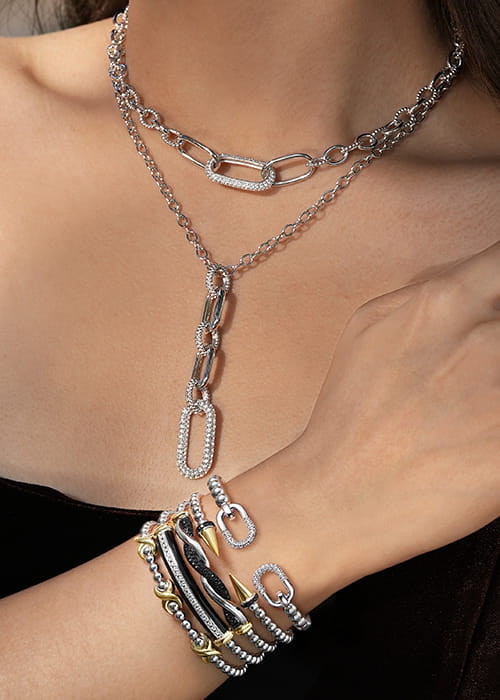
Mixing metals works best when it’s done on purpose rather than by accident. Start by choosing one metal as your base, then let the second metal create contrast. The goal is harmony, not clash.
For example:
- A layered neck stack with a long silver chain and a shorter gold pendant. The contrast becomes part of the overall look.
- A mix of thin stackable rings, alternating silver and gold across fingers. This creates subtle balance and visual interest.
- Pairing a bold silver cuff with delicate gold earrings. The silver anchors the look while the gold adds a touch of warmth.
Exploring two-tone jewelry
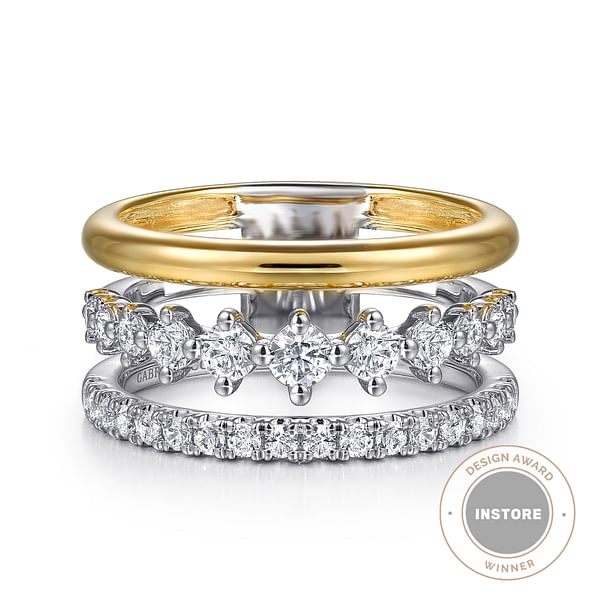
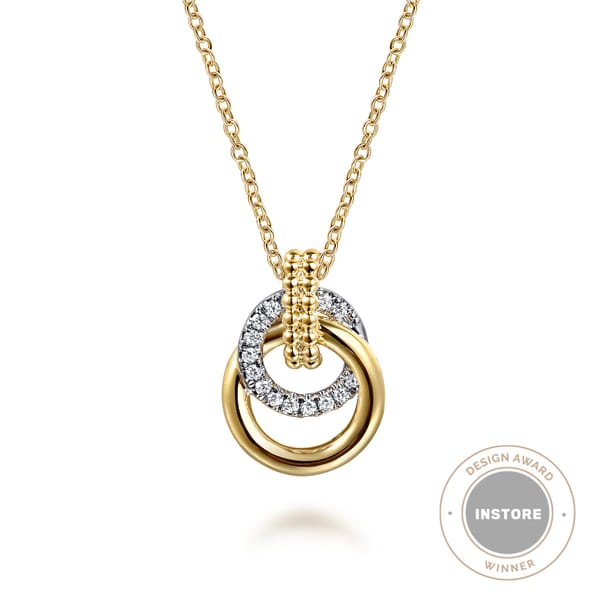
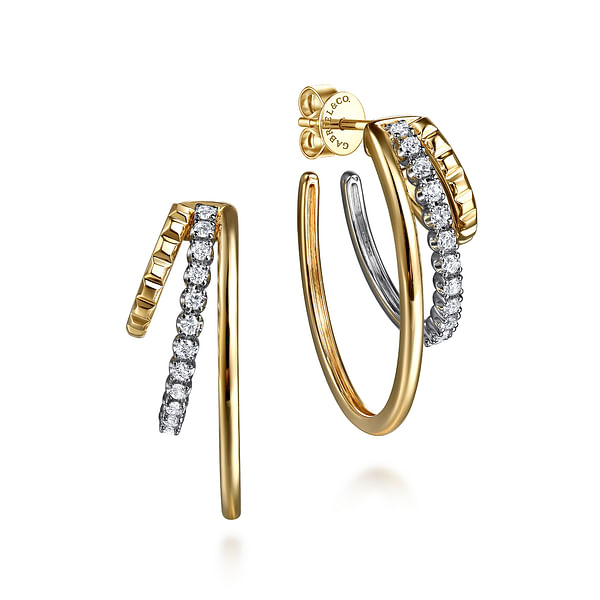
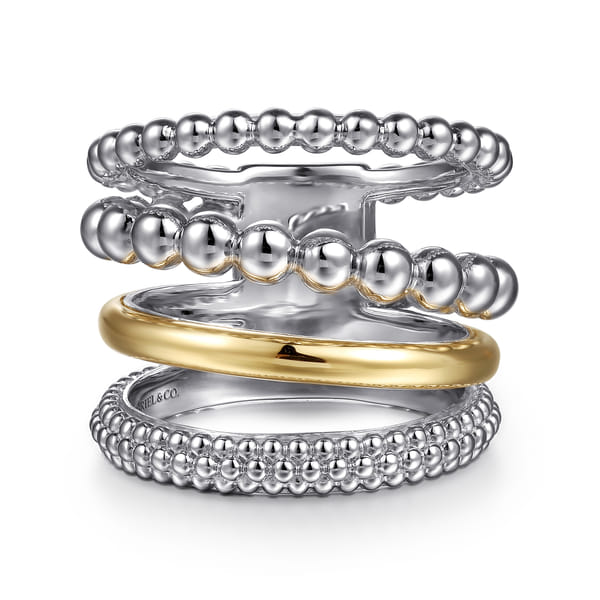
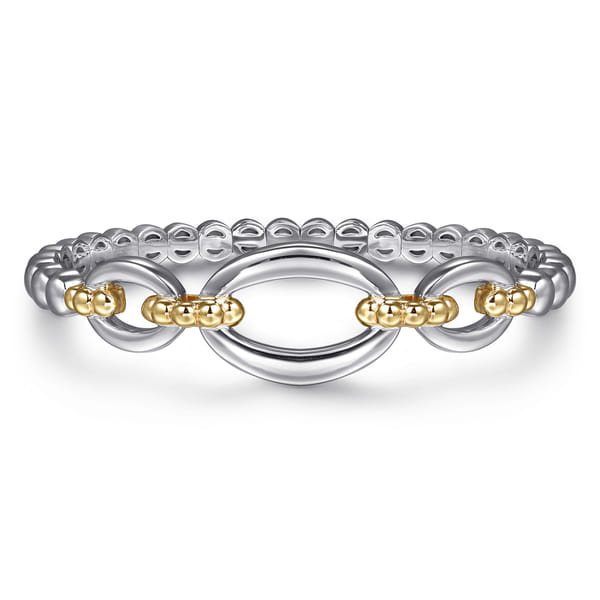
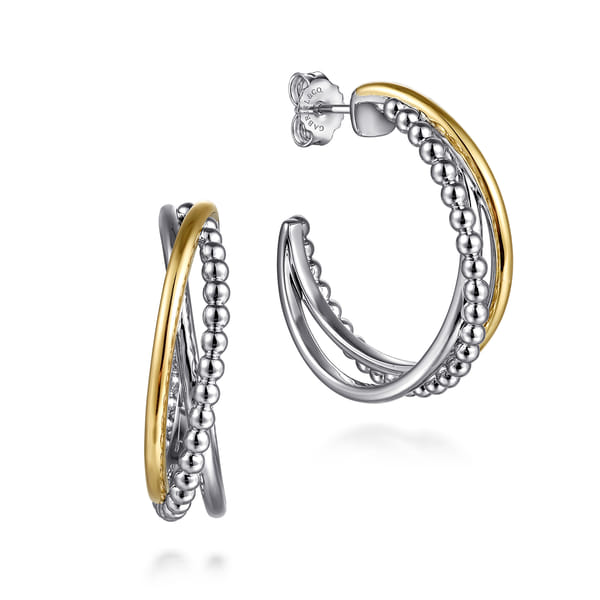
Two-tone pieces take the concept of mixing metals a step further. Instead of combining separate silver and gold pieces, a single item incorporates both metals, creating harmony and contrast at once.
Mixed-metal jewelry works because it can adapt to multiple outfits, skin tones, and moods without feeling forced. A bracelet with intertwined silver and gold links, or a ring with alternating bands, lets you wear both metals confidently and effortlessly. It also adds depth and movement to your look, catching the light in different ways and giving a subtle, sophisticated edge.
For anyone hesitant about mixing metals, two-tone pieces are an elegant way to experiment without overthinking. They simplify styling while still making a statement.
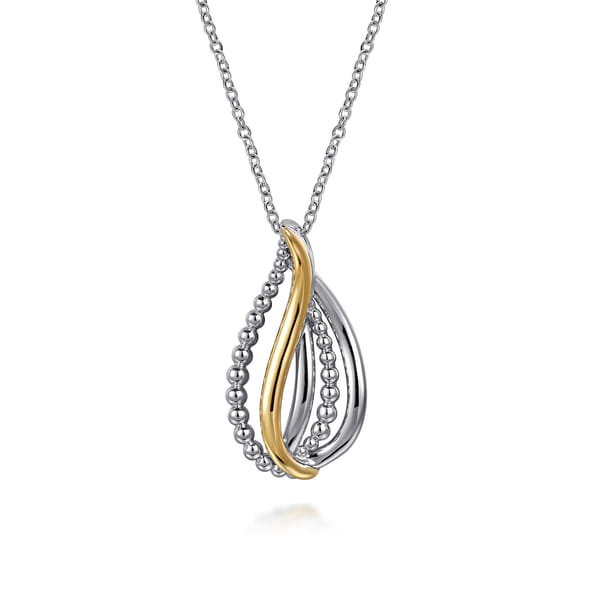
Sterling Silver and 14K Yellow Gold Teardrop Pendant Necklace
Wrapping things up
Choosing between gold vs silver jewelry comes down to the mood you want to create and the way you like your pieces to feel against your style. Explore both, mix them, let them shift with your days. And when you’re ready to find pieces that match your rhythm, browse our fine jewelry collection to discover what speaks to you.