Good to Have You Back

A promise ring is most commonly worn on the ring finger of either hand, though there is no strict rule. Some people wear it on the left hand, while others prefer the right to keep it separate from engagement or wedding jewelry.
If you are thinking about giving a promise ring, or recently received one yourself, one of the first questions that probably came to mind is where it is actually supposed to go. Ahead, we are breaking down the most common promise ring placements, which hand people usually choose, and how promise rings differ from engagement rings.
What is a promise ring?
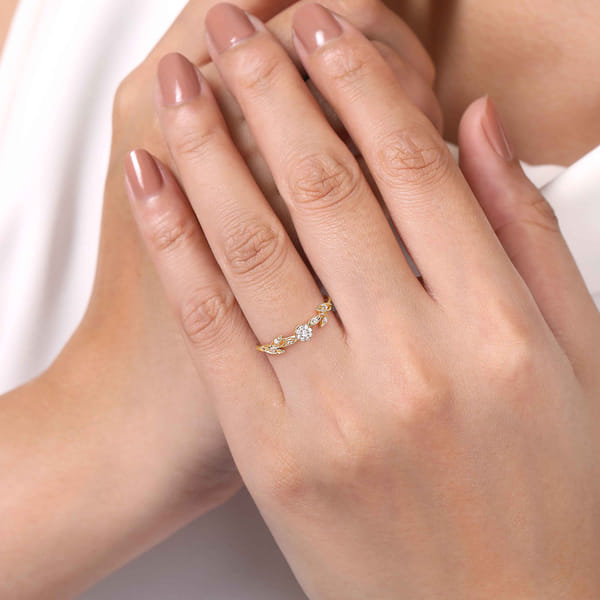
A promise ring is a ring exchanged to symbolize commitment, loyalty, or a meaningful promise between two people. Most are connected to romantic relationships, though not all promise rings are romantic in nature.
For couples, promise rings often represent:
- A serious relationship before engagement
- Future intentions
- Long-distance commitment
- Religious or personal promises
- Loyalty and exclusivity
The idea itself dates back much further than most people realize. Ancient Roman couples exchanged rings as a sign of commitment before marriage, and during the 16th and 17th centuries, “posy rings” engraved with romantic messages became popular throughout England.
Others wear promise rings to symbolize friendship, sobriety, self-growth, or major life milestones.
Modern promise rings evolved from those earlier traditions, though today they feel much more personal and open-ended.
If you would like to learn more about the symbolism behind promise rings and what they traditionally represent in relationships, read our guide on what a promise ring means.
What finger does a promise ring go on?
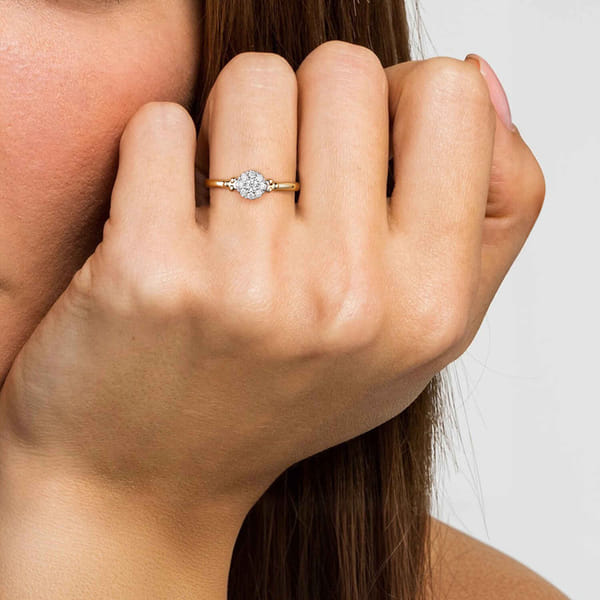
There is no official finger for a promise ring, but a few placements are far more common than others.
Most people wear a promise ring on:
- The left ring finger
- The right ring finger
- The middle finger
- A necklace chain
The choice usually depends on the meaning behind the ring and whether the wearer wants it to resemble engagement jewelry or feel separate from it.
For couples discussing a future together, the left ring finger often feels natural because of its connection to engagement and wedding traditions. Others intentionally avoid that finger because they do not want people to assume they are engaged.
Wearing a promise ring on the left ring finger
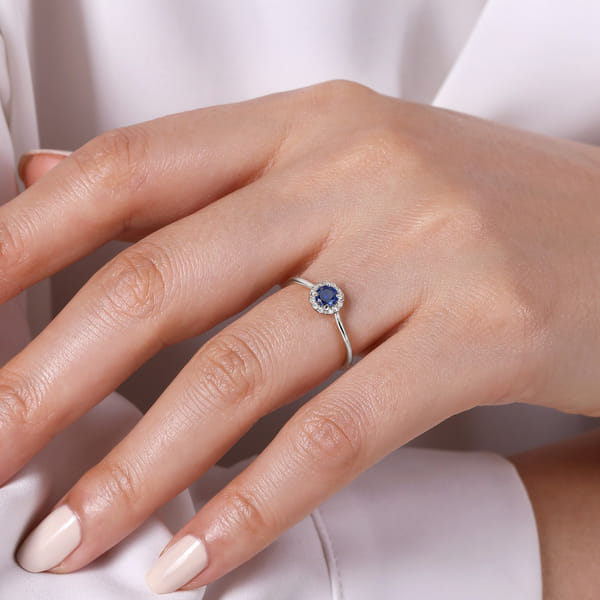
The left ring finger is probably the placement most people recognize first. In many countries, it is already associated with engagement rings and wedding bands, so wearing a promise ring there can make the relationship feel especially serious.
Couples often choose this finger when the ring represents:
- Future engagement intentions
- A long-term relationship
- Emotional commitment
- Serious exclusivity
This placement is especially common among younger couples who see marriage in the future but are not ready for engagement yet.
Long-distance couples also gravitate toward the left ring finger because it can make the relationship feel emotionally closer despite the distance.
At the same time, this choice can create confusion. A promise ring with a large center stone or classic bridal setting may easily be mistaken for an engagement ring, especially when worn on the left hand.
Wearing a promise ring on the right ring finger
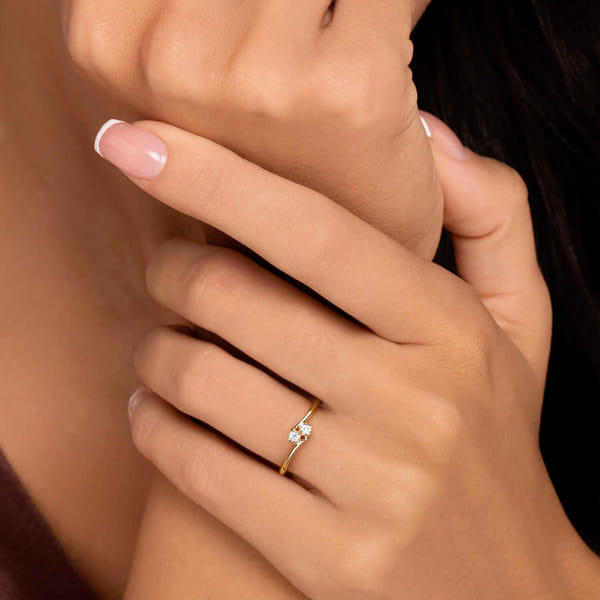
The right ring finger offers a little more separation from engagement traditions while still carrying romantic symbolism.
For many couples, it feels like the best balance. The ring still represents love and commitment, but people are less likely to assume a wedding is around the corner.
This placement is often chosen because:
- It feels less formal
- It separates the ring from bridal jewelry
- It works better with everyday styling
- It aligns with certain cultural traditions
In several European and Latin American countries, wedding rings are traditionally worn on the right hand instead of the left, which changes how promise rings are interpreted there.
Can you wear a promise ring on any finger?
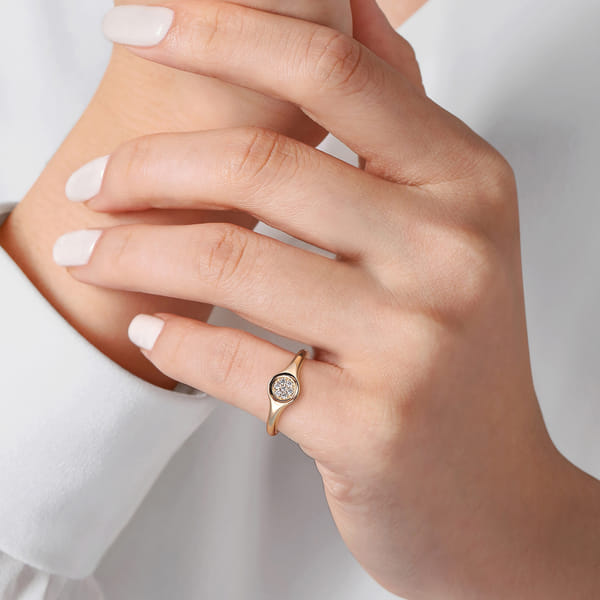
Absolutely. Promise rings are far more flexible than engagement or wedding rings, which is why many people choose placements based on comfort and personal style rather than tradition.
Middle finger
The middle finger has become a popular option because it feels balanced and easy to style. It also avoids immediate engagement assumptions.
This placement works especially well with:
- Minimalist bands
- Gemstone rings
- Chunkier statement styles
- Stacked rings
Index finger
An index finger ring tends to feel more expressive and fashion-oriented. Promise rings worn here are often tied to personal milestones, independence, or self-love rather than traditional relationship symbolism.
Pinky finger
Pinky promise rings are less common, though some people intentionally lean into the symbolism because of the phrase “pinky promise.”
This placement usually feels more relaxed and playful overall.
Wearing a promise ring on a necklace
Some people prefer wearing the ring on a chain instead of on their hand, especially if they work with their hands frequently or live an active lifestyle.
For long-distance couples, this can feel especially personal because the ring stays physically close throughout the day.
Which hand does a promise ring go on?
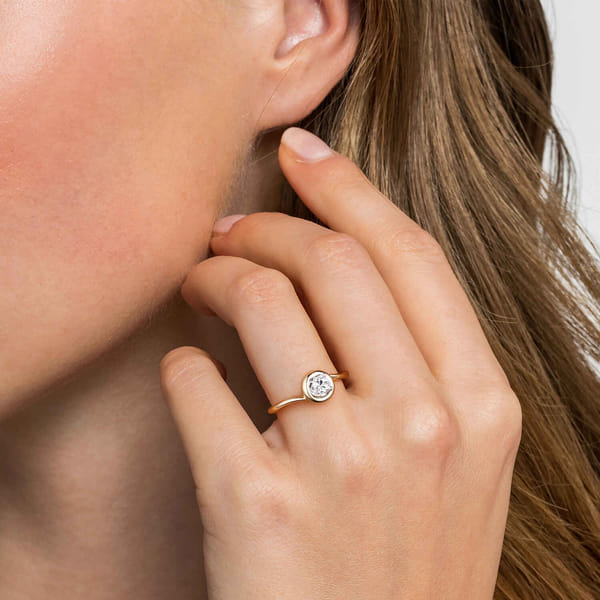
There is no strict rule about which hand a promise ring is worn on.
The left hand is usually chosen when the ring symbolizes:
- A serious romantic commitment
- Future marriage intentions
- Emotional closeness to engagement traditions
The right hand is often preferred when someone wants:
- Separation from engagement symbolism
- A more casual interpretation
- Better comfort or practicality
Cultural traditions can also influence the decision. In some countries, the meaning of left-hand and right-hand rings differs significantly from Western bridal traditions.
If you are still deciding between a promise ring and an engagement ring, read our guide on promise rings vs engagement rings to better understand what each one traditionally symbolizes and when couples usually exchange them.
At what age do people usually get promise rings?
Promise rings are most commonly exchanged by teenagers and younger couples, especially in high school, college, or early long-term relationships. They are often given at a stage where the relationship feels serious, but marriage is not part of the immediate plan yet.
They are especially popular among:
- High school and college couples
- Long-distance relationships
- Couples waiting before engagement
- Religious couples
- Partners focusing on school, career, or financial stability first
Over the years, promise rings have also evolved stylistically. Many modern designs now look closer to fine jewelry rings than the simple symbolic bands people often associate with them.
How to choose the right promise ring
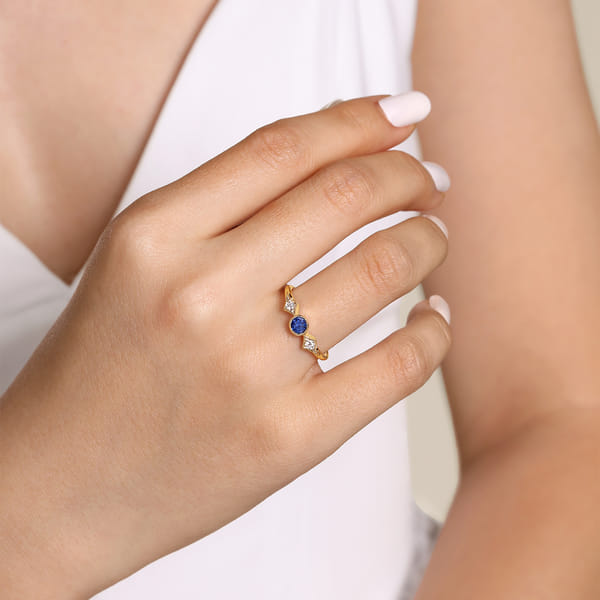
The best promise rings usually feel personal rather than overly formal. Some couples prefer understated bands they can wear daily, while others gravitate toward vintage-inspired settings or gemstone styles that feel more expressive.
A few details tend to matter most when choosing one.
Metal Choice
Popular options include yellow gold, white gold, rose gold, sterling silver, and platinum. Each creates a very different look and feel.
Ring style
Some of the most popular promise ring styles include:
- Minimal bands
- Diamond accents
- Heart rings
- Infinity symbols
- Vintage-inspired rings
- Stackable rings
Gemstones
Diamonds remain popular, though many people also choose colored gemstones or birthstone rings because they make the ring feel more personal.
Engravings
Small engravings can make even a simple ring feel deeply meaningful. Initials, anniversary dates, coordinates, and short phrases are especially common.
How do you give a promise ring?
A promise ring does not require a formal proposal. Most couples exchange them during meaningful personal moments rather than large public gestures. Some couples exchange rings together, while others choose for only one partner to wear one.
Do men wear promise rings?
Yes. Men’s promise rings have become increasingly popular, especially among couples who want a more mutual expression of commitment. Some men prefer simple metal bands, while others gravitate toward understated diamond or textured designs that feel wearable every day.
Popular ways people give promise rings include:
- Anniversary dinners
- Holidays
- Travel moments
- Long-distance visits
- Birthdays
- Private conversations
- Handwritten letters
Final thoughts
Promise rings were never meant to follow one exact formula, which is part of their appeal. Some are tied to future marriage plans, while others simply mark a meaningful connection between two people.
Because there are no strict rules around promise rings, the design itself can feel just as personal as the meaning behind it. If you are looking for inspiration, explore our collection of rings to find a style that fits your relationship and personal taste.
FAQs
Which finger is best for a promise ring?
The most common choices are the left or right ring finger, though many people also wear promise rings on the middle finger or as a necklace.
Can a promise ring become an engagement ring?
Sometimes, yes. Some couples later use the same ring as an engagement ring, while others eventually choose a separate engagement ring.
Do both people wear a promise ring?
Not always. Some couples exchange rings, while others choose for only one partner to wear one.
Do men wear promise rings?
Yes. Men’s promise rings have become increasingly popular, especially among couples who want a more mutual expression of commitment.
Can a promise ring look like an engagement ring?
It can, though many couples intentionally choose more understated designs to avoid confusion.