Good to Have You Back

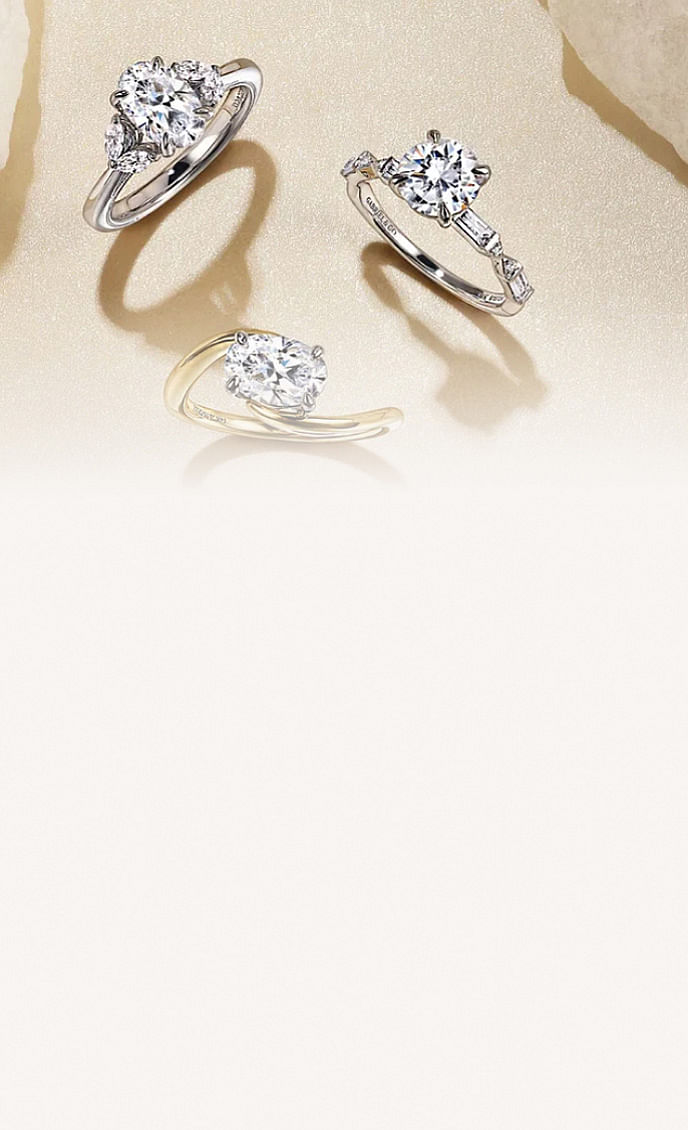
There’s a reason why gold is considered precious. It stands as the most enduring metal, having been used by ancient civilizations and seamlessly transitioning into the 21st century. Yellow represents the original color of gold, vibrant and bright. Over the past few decades, white gold has also solidified its position as a significant metal choice. If you're torn between these options for your bridal and fine jewelry, continue reading this blog to delve into their features, differences, and similarities.
Composition (White Gold vs. Yellow Gold)
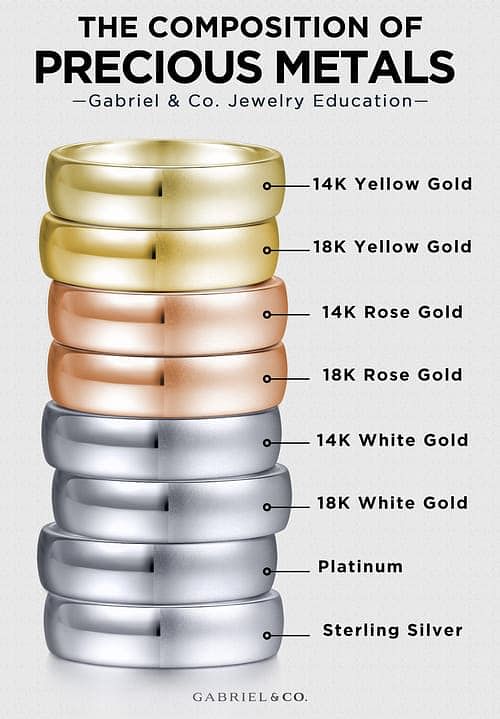
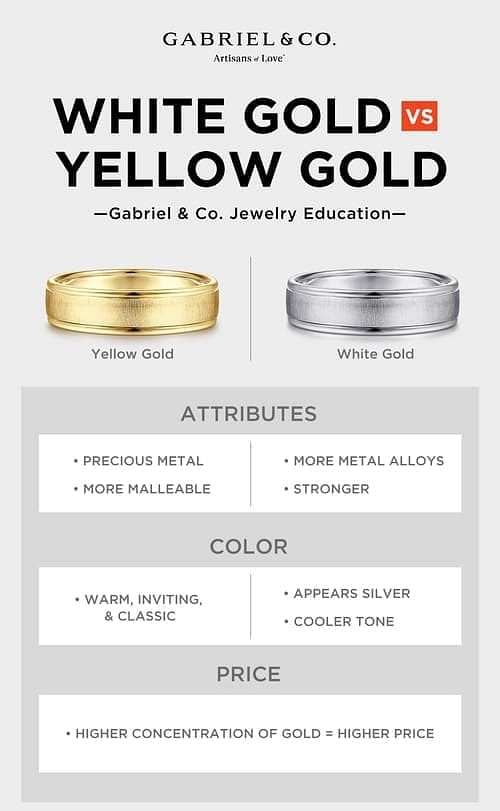
The purest form of gold is 24k or karats, with all 24 parts comprising gold. While this might sound appealing, jewelry crafted from pure gold is too soft and malleable to ensure durability. As a result, it's preferable to mix gold with an alloy to create a more robust metal. For example, 18k gold—whether white or yellow—consists of 18 parts gold and six parts alloy. While yellow gold retains the natural color of gold, leading some to assume it's 'purer' than white gold, this is inaccurate. White gold is equally genuine. The distinction lies in the alloys used. Commonly mixed with palladium, manganese, or nickel, white gold's alloys vary. Nickel, a popular choice, should be avoided by those prone to nickel allergies. White gold also features a rhodium plating layer for added sheen and protection. On the other hand, yellow gold employs copper and silver as alloys, the proportion of which varies depending on how deep or light the hue is meant to be.
Color (White Gold vs. Yellow Gold)
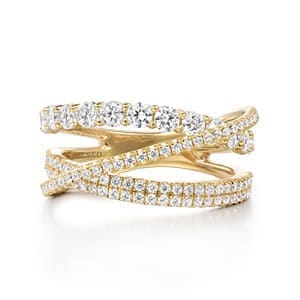
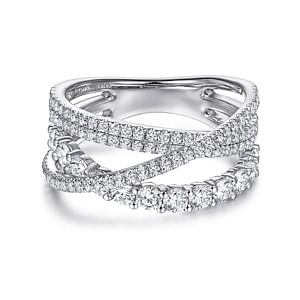
Just as the sun and the moon emit light, each with its unique beauty, yellow and white gold radiate distinct hues—warm and cool—derived from their respective alloys. Yellow gold exhibits soft, warm undertones and carries a classic, historical charm. It complements warmer skin tones and pairs wonderfully with fiery gemstones like rubies, opals, and ambers. White gold, in contrast, offers a more neutral tone that harmonizes with most skin tones, attire, and accessories. It serves as an excellent backdrop for gemstones, particularly for showcasing brilliant, clear diamonds or cooler gemstones like sapphires and emeralds. However, yellow gold might be a better choice if the diamond doesn't possess near-flawless color. It excels at concealing tints and hues."
Appeal (White Gold vs. Yellow Gold)
White and yellow gold share numerous similarities, suggesting that the primary distinction between these metals lies in their color. While this is indeed true, there's more to the story. White gold presents a modern and contemporary allure characterized by a clean and unfussy approach to jewelry. Its neutral tone ensures versatility, making it a favored choice among brides and grooms for engagement rings. Notably, white gold also boasts durability and scratch resistance owing to its alloys and the additional rhodium plating it receives.
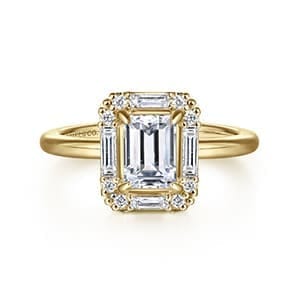
Conversely, yellow gold possesses a slightly softer demeanor, yet it carries a vintage charm that resonates with traditionalists. Its sunny spectrum ranges from wheatgrass to lemon, infusing each jewelry piece with character. If you're seeking the richness of 22k or 24k jewelry, you'll exclusively find it in yellow gold. Additionally, yellow gold offers greater malleability, making resizing a simpler process.
Ultimately, while the choice between white and yellow gold often comes down to personal preference, each metal offers its own unique appeal that extends beyond mere color.
Price (White Gold vs. Yellow Gold)
Gold prices are primarily determined by purity rather than the color of the metal. The price of each gram of gold is based on its karat value. The higher the karat value, the more expensive the gold will be. Therefore, 22k gold will be more expensive than 18k gold, which in turn will be more expensive than 14k gold. The pricing of yellow and white gold is more or less comparable. However, for individuals seeking a white metal option, white gold tends to be more affordable than its pricier counterpart – platinum.
Weight (White Gold vs. Yellow Gold)
Apart from purity, another factor that affects pricing is the weight of the gold. Here again, the weight difference depends on the metals used to alloy the gold. On average, white gold is marginally heavier due to the robust nature of the alloys. However, this difference is so slight that it can essentially be disregarded. Both white and yellow gold pieces of the same size generally have almost identical weights. Therefore, you needn’t consider weight as a major concern while selecting your jewelry.
Maintenance (White Gold vs. Yellow Gold)
White gold’s rhodium plating provides a glistening, shiny veneer while also protecting it from oxidation and erosion. However, this advantage comes at a cost – and we're not referring to the price you'll pay! We're talking about the need for continuous maintenance. You'll need to return your white gold pieces to the jeweler every year or two to renew the rhodium plating. Neglecting this step could result in an oddly discolored and yellowing ring. Rhodium plating also helps prevent nickel allergies.
On the contrary, yellow gold doesn't require plating; its inherent shade is beautiful as is. Nonetheless, it is more susceptible to dents and scratches compared to white gold, so you may need to frequently polish and buff it to maintain its beauty. Your choice between yellow and white gold should align with your needs and lifestyle, ensuring a practical decision.
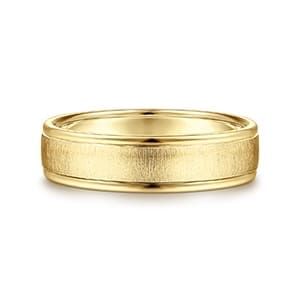
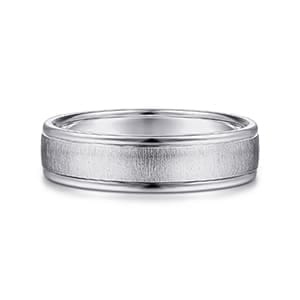
Both white and yellow gold stand as classic and timeless metals, enduring changing fashion trends and the test of time. At Gabriel & Co., we have mastered the art of crafting stunning jewelry pieces from these metals. Visit us and prepare to select from our coveted designs (or perhaps even more) to enrich your jewelry collection.