Good to Have You Back
The diamond clarity chart ranks diamonds from Flawless (FL) to Included (I3) based on how visible inclusions are under 10x magnification. VS2 and SI1 are the most popular clarity grades for engagement rings because they appear eye-clean while offering strong value.
Diamond Clarity Chart Fast Facts
- Primary system: GIA clarity scale
- Grades: FL to I3 (11 total grades)
- Best value grades: VS2, SI1
- Eye-clean range: VS1 to SI1
- Clarity evaluated at: 10x magnification
- Most important factor overall: Cut (not clarity)

Diamond clarity grades are part of the GIA clarity chart, which evaluates how visible a diamond’s inclusions are—from Flawless (FL) to Included (I3). In this guide, you’ll find the complete diamond clarity chart, examples of each grade, magnified images, and tips for choosing the best clarity for an engagement ring.
Understanding the diamond clarity scale is crucial to making an informed purchase. We know that choosing a diamond engagement ring goes beyond mere purchasing; it’s a personal journey that should never be rushed. So take your time, learn all you can about diamonds, and choose the ring that will stand the test of time.
At Gabriel & Co., every diamond begins with integrity. Each stone is responsibly sourced, conflict-free, and verified by GIA. Every piece carries a unique serial number and a digital Certificate of Authenticity, ensuring a transparent journey from our hands to yours.
What is Diamond Clarity?
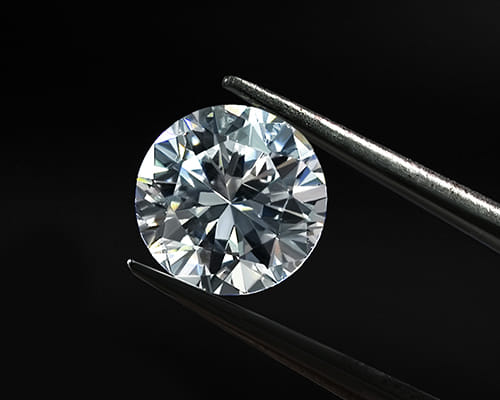
Diamond clarity refers to the presence of natural characteristics formed during a diamond’s creation. These internal inclusions and surface blemishes result from the intense heat and pressure deep within the Earth. Some are so small they can only be seen under magnification, while others may be visible to the naked eye.
The clarity grade of a diamond is determined by assessing the size, number, location, and visibility of these features. A higher clarity grade means fewer imperfections, allowing more light to pass through the diamond for exceptional brilliance.
The Gemological Institute of America (GIA) grades diamond clarity on a scale ranging from Flawless to Included. This precise evaluation ensures a clear understanding of a diamond’s purity and overall appearance.
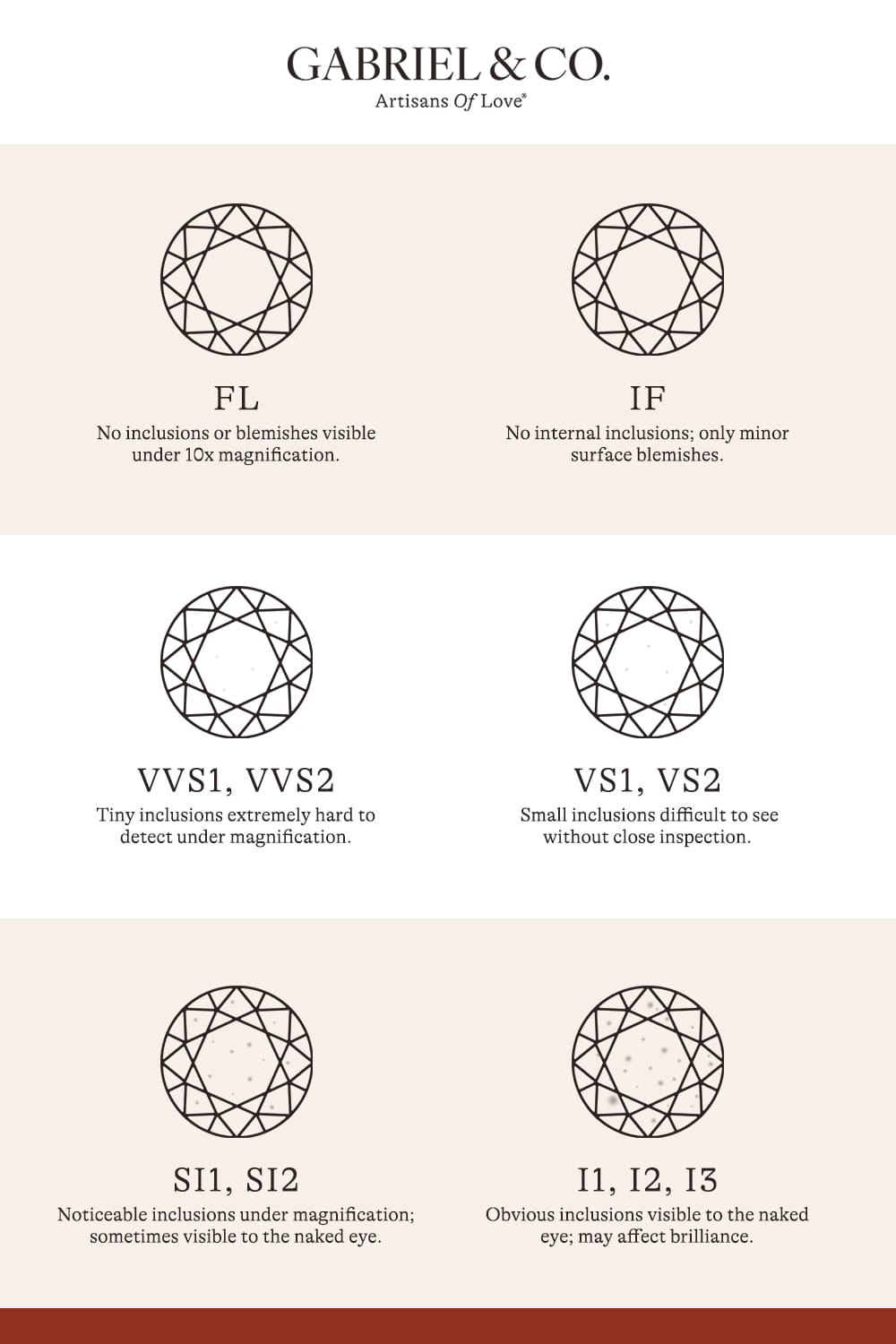
GIA Diamond Clarity Chart (FL to I3)
Use the chart below to quickly compare how each clarity grade looks and what it typically means for visibility and value.
Diamond Clarity Grades Explained
No two diamonds are ever the same. These subtle markings, born of pressure and time, reveal a story that gemologists interpret through clarity grading.
Diamonds are graded on a six-category, 11-grade diamond clarity scale, ranging from Flawless (FL) to Included (I3). This system helps determine how visible inclusions and blemishes are under 10x magnification, which directly affects a diamond’s rarity and value. Below is a breakdown of each clarity grade:
| Grade | Visibility | Inclusion Type | Value Level | Eye-Clean Rating |
| FL – Flawless | No inclusions or blemishes visible under 10x magnification | None | Highest | 100% eye-clean |
| IF – Internally Flawless | No internal inclusions; minor surface blemishes under 10x | Surface blemishes only | Very high | 100% eye-clean |
| VVS1 / VVS2 – Very Very Slightly Included | Inclusions are extremely difficult to see under 10x | Tiny pinpoints or needles | High | 100% eye-clean |
| VS1 / VS2 – Very Slightly Included | Small inclusions visible under 10x, not to the naked eye | Small crystals, clouds, or feathers | Strong value | Nearly always eye-clean |
|
SI1 / SI2 – Slightly Included | SI2: sometimes visible |
Inclusions are noticeable under magnification; SI2 may be seen with the naked eye | Dark crystals, feathers, or clouds | Moderate value | SI1: usually eye-clean | SI2: sometimes visible |
| I1 / I2 / I3 – Included | Inclusions are clearly visible to the naked eye | Larger or numerous crystals, feathers, clouds, or structural inclusions | Lowest | Not eye-clean |
Types of Inclusions & Blemishes in Diamonds
Now let’s take a closer look at the types of internal and surface features that determine clarity.
Internal features (inclusions):
- Pinpoints: tiny dots often invisible without magnification
- Feathers: thin, crack-like lines inside the diamond
- Crystals: small mineral deposits trapped within
- Clouds: clusters of pinpoints that can create a soft haze
- Needles: slender, rod-like crystals
- Graining: faint lines from natural growth patterns
Surface features (blemishes):
- Scratches: fine lines on the diamond’s surface
- Chips or nicks: small edge or facet imperfections
- Naturals: unpolished areas from the original rough diamond
- Pits: tiny marks or indentations
How Clarity Impacts Diamond Sparkle & Price
Clarity plays a significant role in determining a diamond’s value, as it reflects the presence of internal inclusions and surface blemishes. The fewer and less visible these imperfections are, the rarer and more valuable the diamond becomes.
1. Higher Clarity = Higher Rarity & Price
Diamonds with minimal or no inclusions—such as Flawless (FL) and Internally Flawless (IF)—are extremely rare, making them the most expensive. As clarity improves, so does a diamond’s ability to reflect light, enhancing its brilliance and desirability.
2. Eye-Clean Diamonds Offer the Best Value
Many inclusions are microscopic and don’t affect a diamond’s beauty when viewed without magnification. SI1 and VS2 clarity grades are particularly popular because they offer a balance between accessibility and visual appeal, allowing buyers to invest in a larger or better-cut diamond without a significant price jump.
3. Clarity’s Impact Depends on Diamond Size
Inclusions are more noticeable in larger diamonds because their facets act like magnifying glasses. A 1-carat VS2 diamond may appear flawless to the naked eye, while a 3-carat VS2 could show visible inclusions. This means clarity becomes more critical as carat weight increases.
4. Shape Matters Too
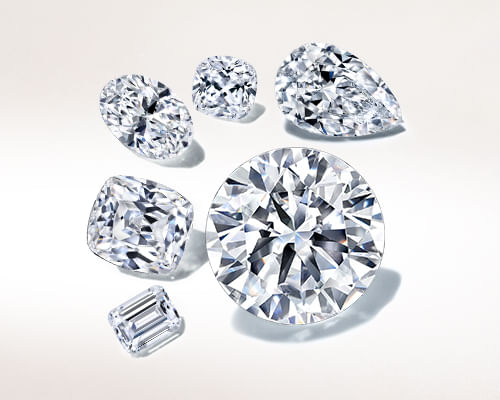
Some diamond shapes hide inclusions better than others. Brilliant-cut diamonds (like round or cushion cuts) have more facets that scatter light, masking imperfections. Step-cut shapes (like emerald or Asscher cuts) have large, open facets that make clarity more noticeable, often requiring a higher grade for a clean appearance. Check out our diamond cut guide for a better understanding of how different shapes impact clarity, brilliance, and overall appearance.
5. Finding the Right Balance
While clarity influences price, it’s just one of the 4Cs (Cut, Color, Clarity, and Carat). Many buyers choose a diamond with a slightly lower clarity grade but excellent cut quality, as the cut has the biggest impact on sparkle and overall beauty.
Best Clarity for Engagement Rings
The best clarity for an engagement ring is usually VS2 or SI1 because these grades appear clean to the naked eye, deliver excellent sparkle, and offer strong value compared to higher grades. If you’re choosing a larger diamond or a step-cut shape like emerald or Asscher, VS1 provides added reassurance since these cuts reveal inclusions more easily. Clarity should always be considered alongside the rest of the 4 C's of diamonds, especially Cut, which has the greatest impact on brilliance and overall beauty.
Eye-Clean Diamond Examples
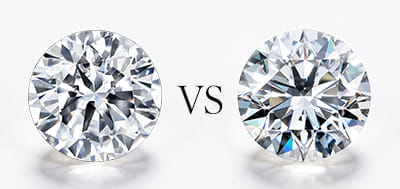
An eye-clean diamond is a stone whose inclusions aren’t visible without magnification, giving it a clear, brilliant appearance. Below are real-world clarity grades that most shoppers consider eye-clean, along with what you can typically expect to see. At Gabriel & Co., every center stone in our engagement rings is selected to ensure it appears eye-clean in everyday viewing conditions.
Below is a clarity-grade comparison showing which grades are typically eye-clean and who they’re best suited for.
| Clarity Grade | Eye-Clean? | What It Usually Looks Like | Best For |
| VS1 | Always | No visible inclusions, even upon close inspection | Larger center stones, step-cut shapes |
| VS2 | Almost Always | Very tiny crystals or feathers hidden within facets |
Most engagement rings |
| SI1 | Often eye-clean | Small inclusions placed near the edges or under the facets |
Value-focused shoppers |
| SI2 | Sometimes | Inclusions may be visible in certain lighting or shapes |
Small or brilliant-cut diamonds |
Diamond Clarity FAQs:
What is good clarity for a diamond?
VS2 and SI1 diamonds usually offer the best balance of beauty and value. Their inclusions are hard to see without magnification, so the diamond sparkles brilliantly without a steep price tag.
Does higher clarity mean a better diamond?
Not necessarily. While higher clarity means fewer inclusions, other factors like cut and color have a greater impact on brilliance. An eye-clean diamond with a lower clarity grade can still be stunning.
What is the difference between SI1 and SI2 clarity?
SI1 diamonds typically have inclusions that are not visible to the naked eye, while SI2 diamonds may have noticeable inclusions, especially in larger stones.
Is a VS1 clarity diamond good enough, or should I aim for a higher clarity?
A VS1 diamond is an excellent choice, as its inclusions are difficult to see even under magnification. Higher clarity grades (VVS or FL) are only necessary if you want a rare, near-flawless stone.
How can diamond clarity affect the overall appearance of a diamond?
Lower clarity diamonds with visible inclusions can appear cloudy or dull, while higher clarity stones allow more light to pass through, enhancing sparkle and brilliance.
What are the best ways to identify inclusions in a diamond before buying?
Use a jeweler’s loupe or a 10x magnification tool, inspect the diamond under different lighting conditions, and review a high-resolution grading report from GIA or another reputable lab.
Can inclusions increase over time?
No, inclusions do not grow, but extreme impacts or pressure can cause existing inclusions, like feathers (tiny cracks), to expand or worsen.
What clarity should I choose to get the best value?
SI1 and VS2 are popular choices because they offer a balance between clarity and price while still appearing eye-clean.
Are there specific diamond shapes where clarity is more important?
Yes, step-cut diamonds (Emerald and Asscher) have large, open facets that highlight inclusions, so higher clarity is recommended. Brilliant-cut diamonds (Round, Oval, Cushion) can hide inclusions better due to their faceting.
What are some tips for viewing diamond clarity at home?
Use natural daylight or LED lighting, examine the diamond with a magnification tool, and compare it to high-resolution images or certification reports.
How does diamond clarity interact with other factors like color and cut to influence overall quality and price?
Cut has the biggest impact on sparkle, while clarity and color work together to influence a diamond’s visual appeal. A well-cut diamond with slightly lower clarity or color can still look exceptional.
If you need help selecting the right clarity for your engagement ring, our experts are here to guide you.