Good to Have You Back

What You'll Learn
Ear piercing placement determines everything: healing time, pain level, jewelry compatibility, and how a piercing fits into a broader aesthetic. This guide covers every major placement from lobe to industrial, along with the types of earrings best suited for each area, honest assessments, and expert aftercare advice.
Understanding Your Ear's Anatomy

Before choosing a placement, it helps to understand the landscape. The human ear is a complex structure of cartilage, soft tissue, nerves, and blood vessels. Where you pierce matters enormously for healing, comfort, and long-term wearability.
Piercing Zones:
- Lobe and Upper Lobe: Soft tissue, heals fastest, 6 to 8 weeks
- Outer Cartilage (Helix, Forward Helix, Tragus, Anti-Tragus): 6 to 12 months healing, moderate pain
- Inner Cartilage (Daith, Rook, Snug, Industrial): 12 to 18 months healing, higher pain
- Conch (Inner and Outer): The bowl of the ear, 9 to 12 months, great for statement studs and orbital rings
Lobe Piercings: The Foundation
The earlobe is where most piercing journeys begin, and for good reason. Rich in soft tissue and blood flow, lobes heal quickly and tolerate a wider variety of jewelry than any other location. A well-composed lobe stack is as sophisticated as any cartilage curation.
Standard Lobe
Placed through the center of the lower earlobe, this is the world's most common piercing. Healing typically takes 6 to 8 weeks, though full cellular maturation takes closer to 3 to 4 months. Standard lobe piercings support studs, hoops, charms, and drop earrings, making them the most versatile real estate on the ear.
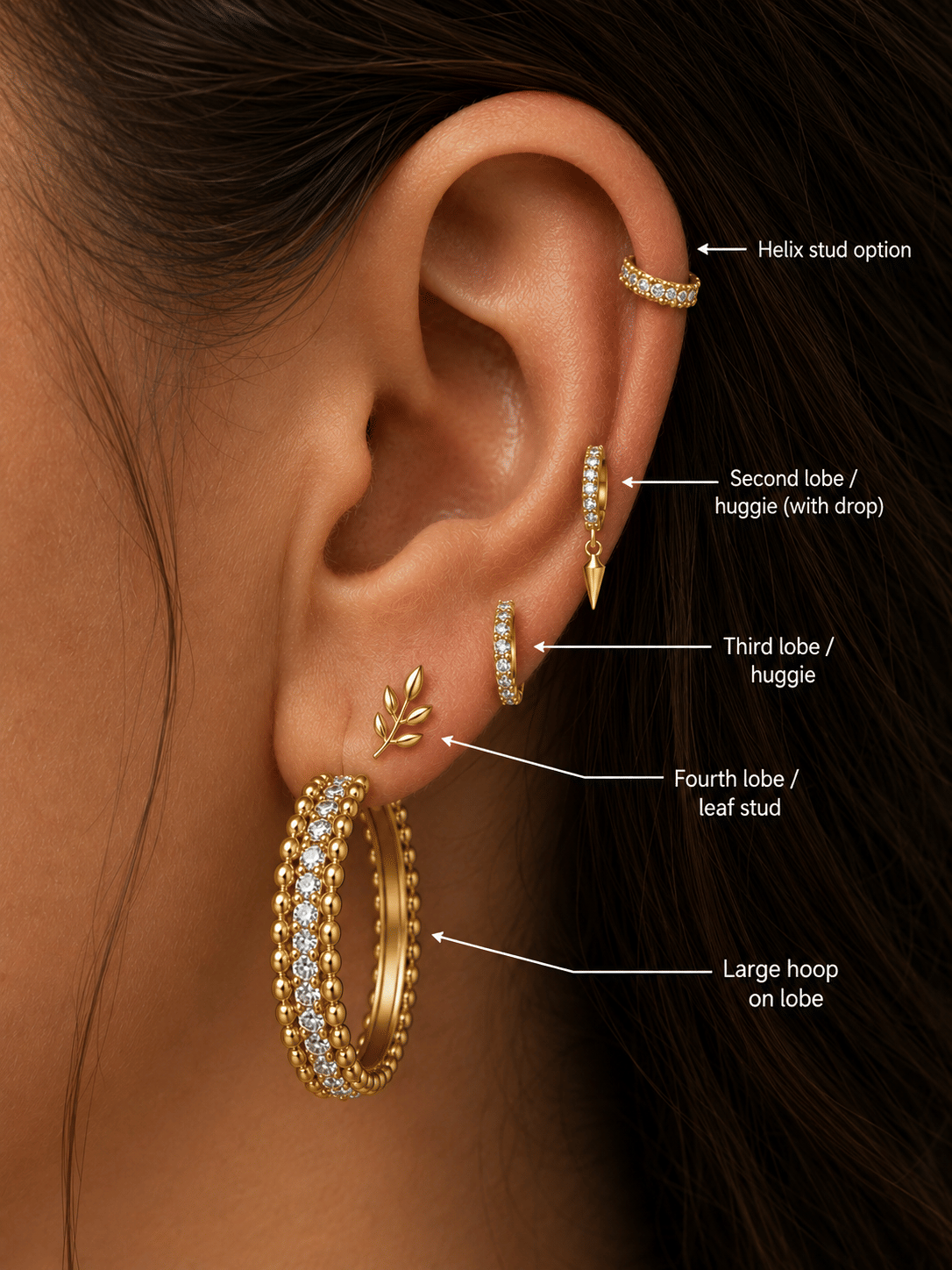
High Lobe (Second and Third Lobe)
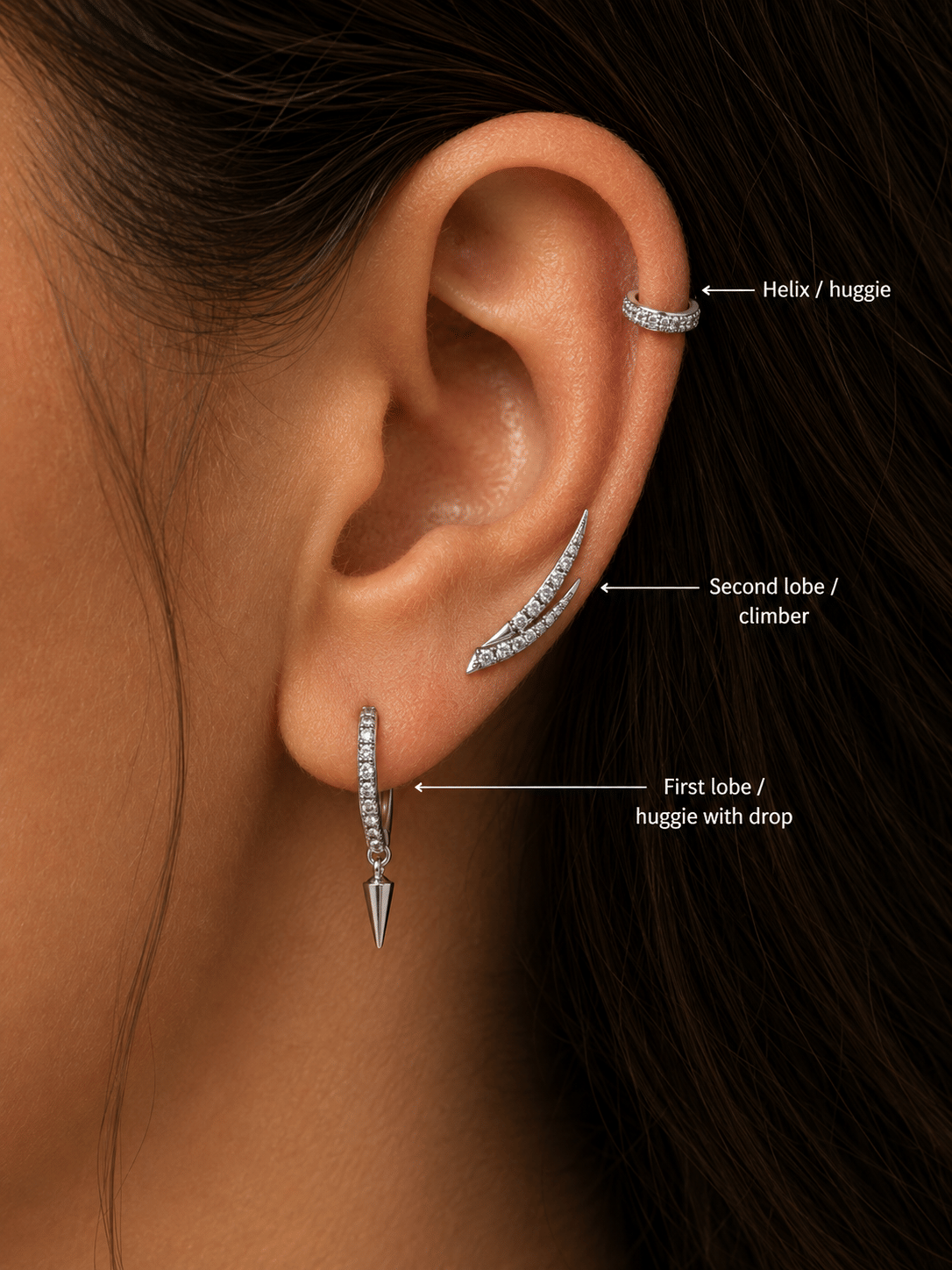
Positioned above the standard lobe, the second and third piercings allow for stacking. The key to a flattering lobe stack is spacing: aim for 6 to 8mm between each piercing to prevent migration and allow comfortable ring layering.
Transverse Lobe
A horizontal piercing through the width of the lobe rather than front to back, the transverse lobe creates a distinctly editorial effect. Visible barbell ends emerge from both sides. It requires more tissue and more care, but heals in a similar timeframe to standard lobe piercings.
Pro Tip: When getting multiple lobe piercings in one session, limit yourself to 2 to 3 at a time. Your body's healing resources are finite. Spacing sessions out produces better results and reduces the risk of complications across multiple sites simultaneously.
Cartilage Placements: Helix to Snug
Cartilage piercings occupy the vast landscape of the upper and inner ear. They take significantly longer to heal than lobe piercings because cartilage has far less blood supply. They also offer the greatest visual variety and the most scope for creative composition, especially when styled with dedicated cartilage earrings designed for flatter placements, secure fits, and layered ear stacks.
Helix
Pain: Moderate (5 to 6/10) · Healing: 6 to 12 months · Gauge: 16G The outer rim of the upper ear. The most popular cartilage piercing is highly customizable, compatible with hoops, flat-backs, and huggie earrings.
Forward Helix
Pain: Moderate (5/10) · Healing: 6 to 9 months · Gauge: 16G Sits at the front of the ear where the helix meets the face. Triple forward helix stacks are a sought-after aesthetic, delicate and architectural.
Tragus
Pain: Moderate (4 to 5/10) · Healing: 6 to 12 months · Gauge: 16G The small triangular cartilage flap covering the ear canal. Ideal for flat-back studs and tiny hoops, subtle yet striking.
Anti-Tragus
Pain: High (6 to 7/10) · Healing: 8 to 16 months · Gauge: 16G The raised cartilage ridge opposite the tragus. Anatomy-dependent and less common. When it works, it's exceptional.
Daith
Pain: High (6 to 7/10) · Healing: 9 to 12 months · Gauge: 16G Pierces the innermost cartilage fold of the ear. Known for its horseshoe-ring aesthetic. Some report migraine relief, though this is anecdotal and not clinical.
Rook
Pain: High (7/10) · Healing: 12 to 18 months · Gauge: 16G Passes through the antihelix ridge, the inner curve of the upper ear. Dense cartilage, intense experience, uniquely dimensional result.
Snug
Pain: High (8/10) · Healing: 12 to 18 months · Gauge: 16G Sits horizontally through the antihelix. Anatomy-dependent and rare. Considered challenging to heal, but exceptional when placed correctly.
Conch
Pain: Moderate (5/10) · Healing: 6 to 12 months · Gauge: 14 to 16G Placed through the large bowl of the ear. Inner conch sits closer to the canal; outer is further up. Both support statement studs or orbital rings.
Industrial Piercing
The industrial is the architectural statement piece of ear piercings. It is a single barbell passing through two separate points of the upper cartilage, bridging helix to forward helix. It pierces cartilage twice simultaneously, requires specific anatomy, and is among the most healing-intensive piercings available.
"An industrial piercing is essentially two helix piercings that have to heal in tandem. The bar keeps both channels under constant, gentle tension, which is precisely why placement accuracy and initial jewelry quality matter more here than anywhere else."
Healing Times at a Glance
| Placement | Initial Healing | Full Maturation | Speed |
| Standard Lobe | 6 to 8 weeks | 3 to 6 months | Fast |
| Upper Lobe | 6 to 10 weeks | 3 to 6 months | Fast |
| Forward Helix | 3 to 6 months | 6 to 9 months | Moderate |
| Helix | 3 to 6 months | 6 to 12 months | Moderate |
| Tragus | 3 to 6 months | 6 to 12 months | Moderate |
| Conch | 6 to 9 months | 9 to 12 months | Moderate |
| Daith | 6 to 9 months | 9 to 12 months | Slow |
| Anti-Tragus | 6 to 12 months | 12 to 16 months | Slow |
| Rook | 6 to 12 months | 12 to 18 months | Slow |
| Snug / Industrial | 6 to 12 months | 12 to 18 months | Slow |
Important: "Healed" and "fully matured" are different things. A piercing may look and feel healed months before the fistula has fully formed. Changing jewelry too early is one of the leading causes of irritation, migration, and infection
Building a Curated Ear
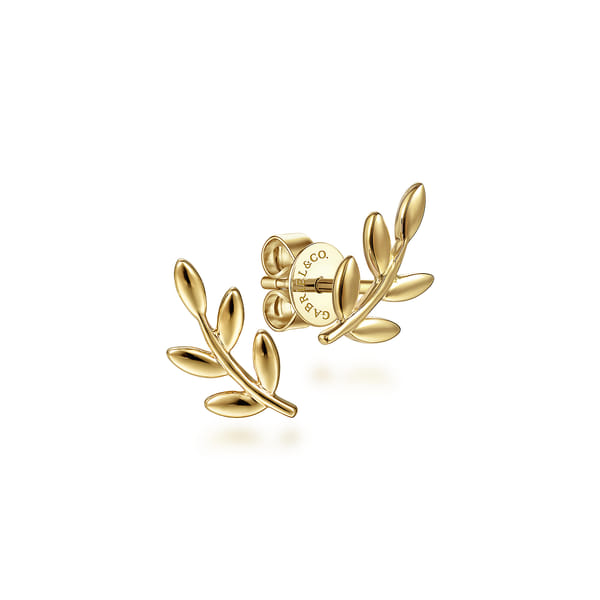
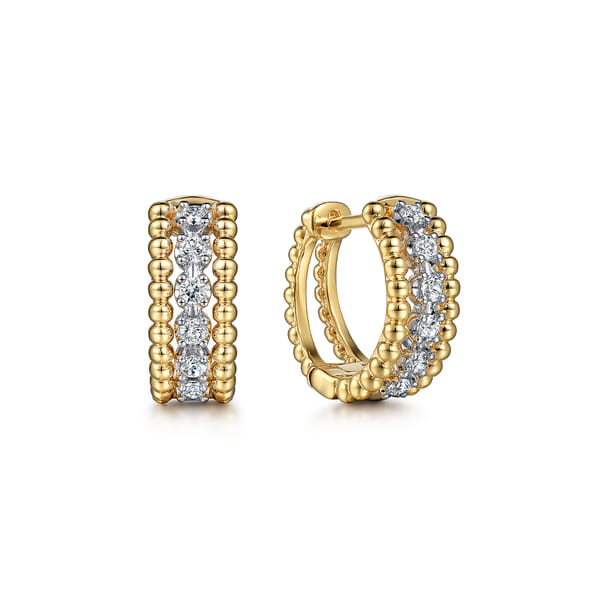
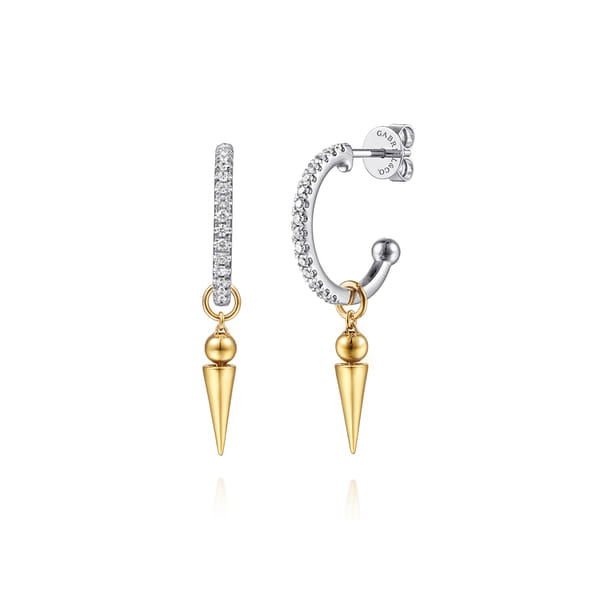
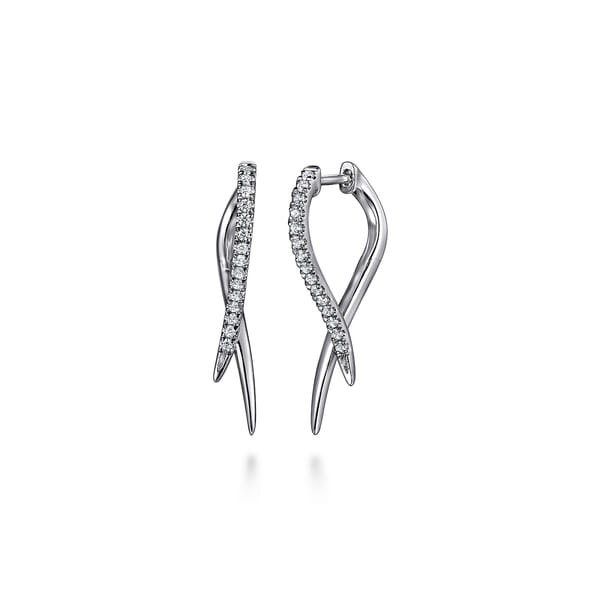
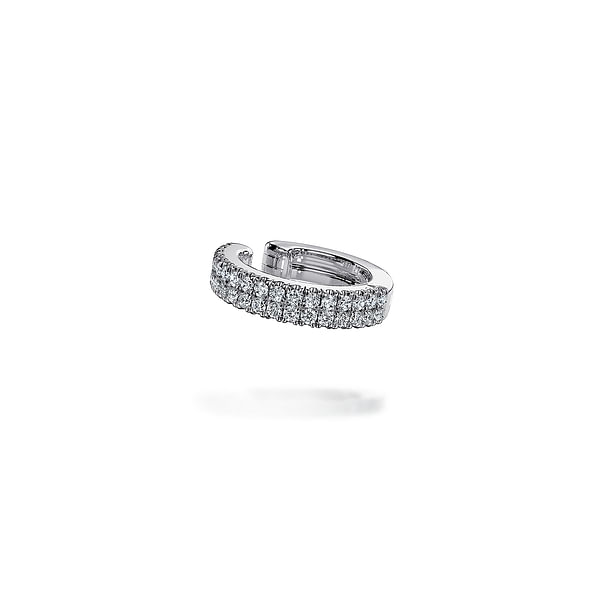
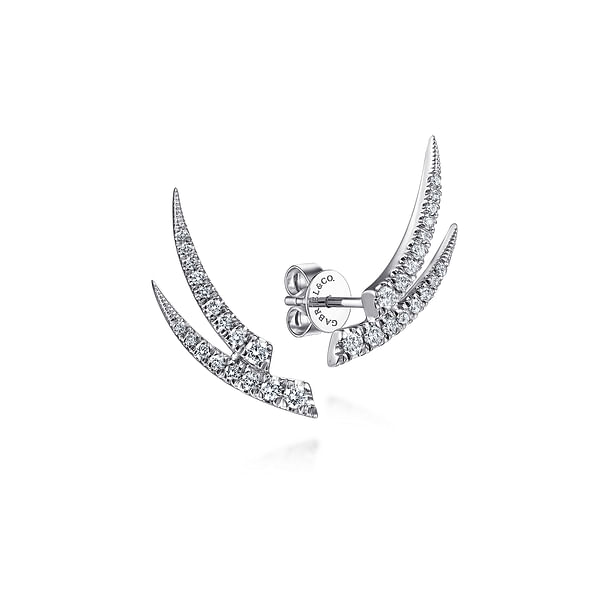
Ear curation is the art of intentionally combining multiple piercings across different placements to create a cohesive, personalized look.
The Minimalist: Triple lobe stack, single helix stud, solid 14k yellow gold, flat-back labrets (4 to 5 piercings)
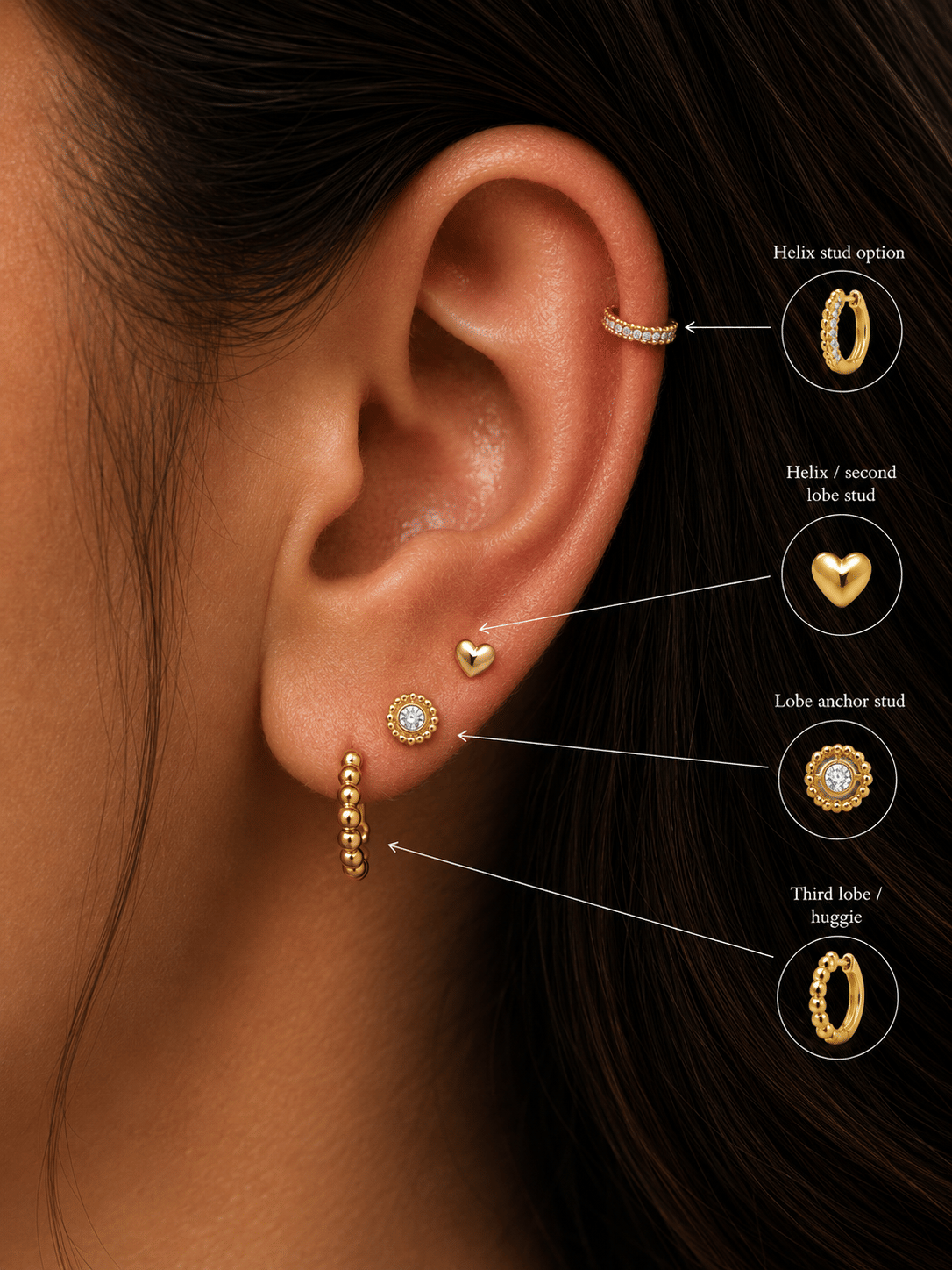
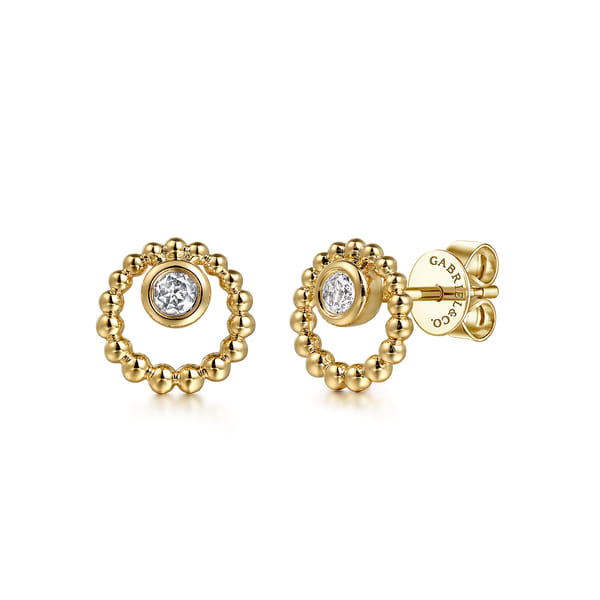
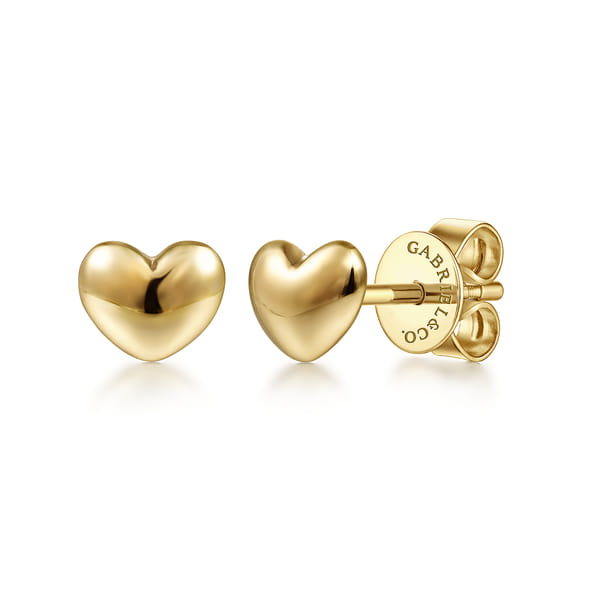
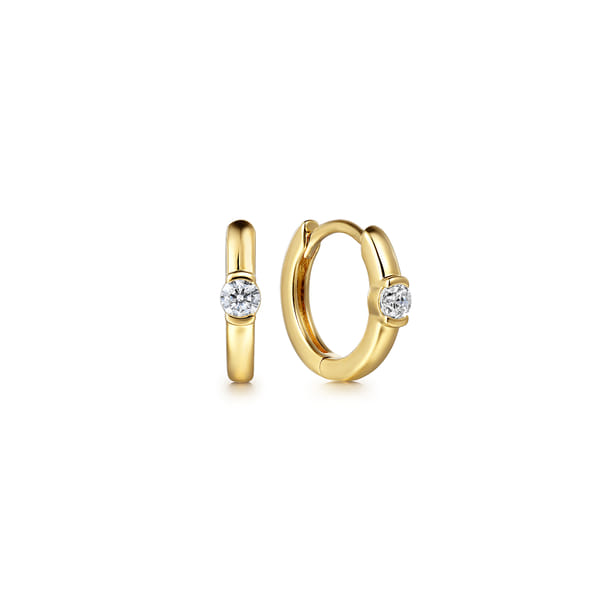
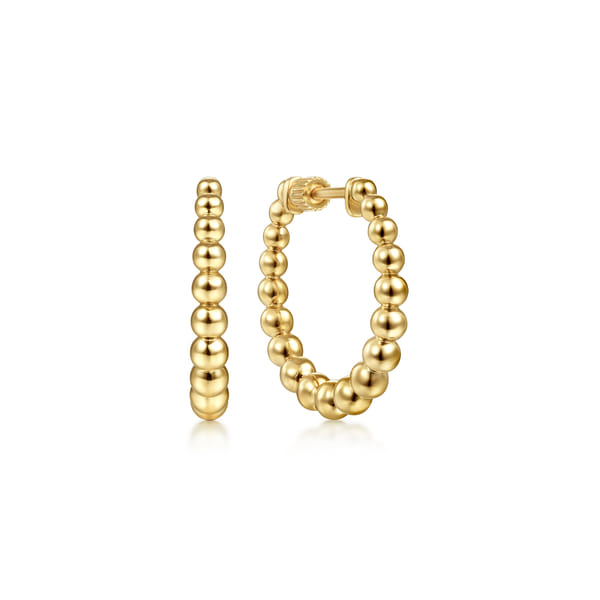
The Maximalist: Quad lobe stack, helix plus conch plus daith, mixed metals, varied shapes and sizes (7 to 10 piercings)
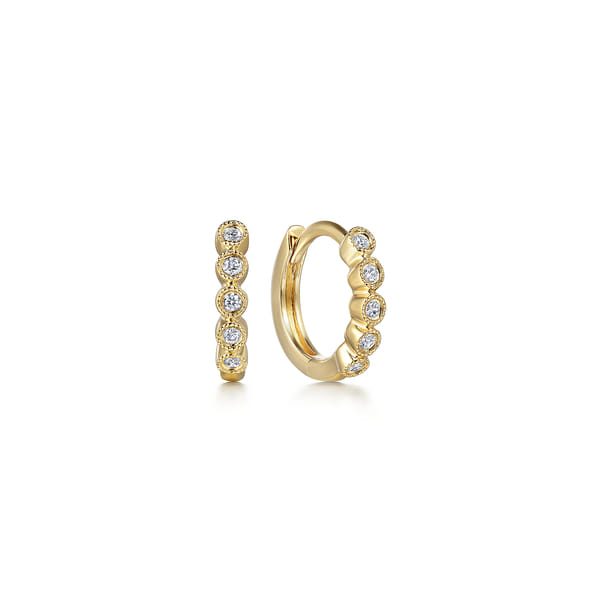
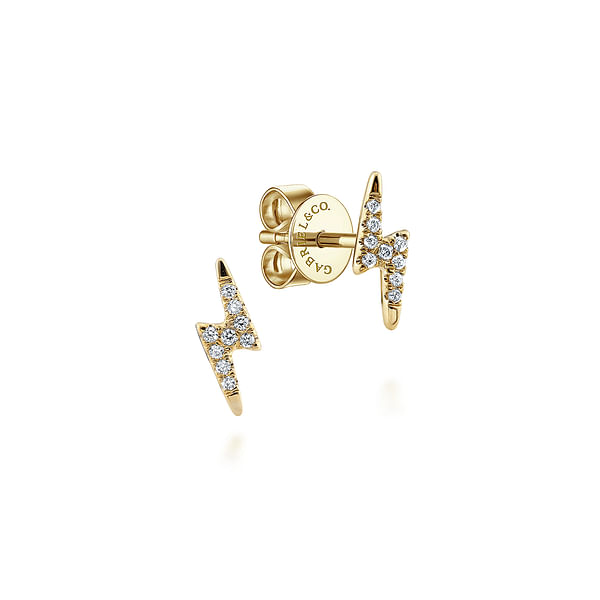
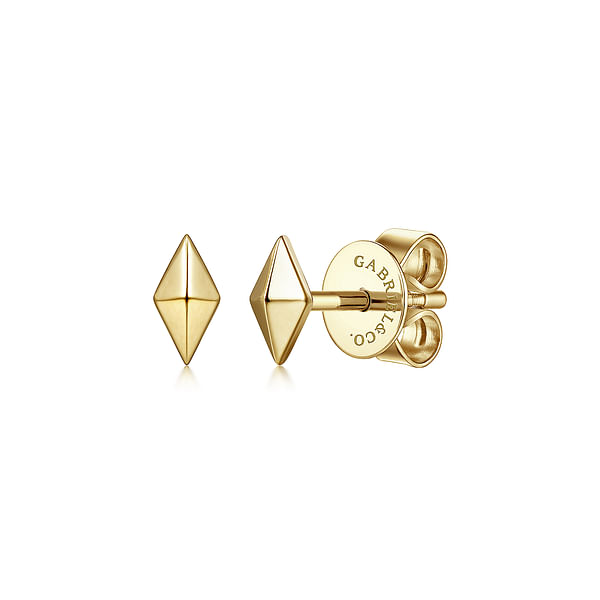
The Sculptural: Industrial bar, rook piercing, single statement lobe, barbell-forward styling (3 to 4 piercings)
Rules for Composing Your Ear
- Odd numbers look more organic. Three, five, or seven pieces per ear feel more natural than even numbers.
- Vary your jewelry weights. Pair a chunky statement hoop with delicate flat-backs so the eye has places to rest and places to land.
- Consider the negative space. Some of the most effective curations are defined by what is not there as much as what is.
- Metal tone discipline. Commitment to one tone reads as sophisticated. Mixed metals need one dominant and one accent, not equal measure.
Aftercare: What Actually Works
The best placement in the world will not save a piercing with poor aftercare. Cartilage piercings are unforgiving. Reduced blood supply means slow healing, and they react strongly to mechanical irritation, harsh products, and premature jewelry changes.
1. Saline rinse, twice daily Use a sterile saline solution (0.9% sodium chloride, preservative-free). Rinse morning and night. Do not over-clean.
2. Leave it alone Avoid touching, rotating, or playing with the jewelry. The old advice to "rotate your piercing" is outdated and actively harmful. It disrupts the forming fistula.
3. Sleep strategically Use a travel (donut) pillow to keep pressure off healing cartilage piercings. Alternatively, sleep on the opposite side.
4. Avoid harsh products and swimming No hydrogen peroxide, rubbing alcohol, Bactine, or antibacterial soaps. No pools or open water until fully healed.
5. Downsize at the right time Once swelling has fully subsided, return to your piercer for a shorter post. This prevents snagging, embedding, and unnecessary movement.
Material Matters: Always use implant-grade titanium (ASTM F136), solid 14k+ gold, or implant-grade steel for initial jewelry. Cheap metal is one of the most preventable causes of failed piercings.
Final Thoughts
Ear piercing placement is genuinely personal, shaped by your anatomy, pain tolerance, lifestyle, and the aesthetic you are working toward. Start with your lobes if you are beginning. Work with a qualified, APP-certified piercer for proper curation.
Understanding different types of earrings and earring backs can also make a major difference in both comfort and styling, especially when building a balanced curated ear. If you are looking for more inspiration, you can also explore our dedicated ear stack ideas guide for layering ideas, placement combinations, and jewelry pairings.
The most enduring rule in ear piercing: go slow, go quality, and be patient with your body. A piercing done well and healed properly can last for decades.
Frequently Asked Questions
What is the most popular ear piercing placement?
The standard lobe piercing remains the world's most popular by a significant margin. Among cartilage piercings, the helix leads, followed by the tragus and daith.
Which ear piercing placement hurts the most?
Industrial piercings are widely rated the most painful because two points of thick cartilage are pierced simultaneously. The snug and rook rank highest among single-site piercings (7 to 8/10). Lobes are the least painful (2 to 3/10).
How long do ear piercings take to heal?
Lobes: 6 to 8 weeks initial, 3 to 6 months full. Helix, tragus, forward helix: 6 to 12 months. Daith and conch: 9 to 12 months. Rook, snug, and industrial: 12 to 18 months.
What is ear curation?
The intentional combination of multiple ear piercings to create a cohesive aesthetic. Start with an anchor piece, add supporting pieces in complementary styles, and leave negative space. Work with an APP-certified piercer for guidance based on your anatomy.
Can I get multiple ear piercings at once?
Yes, but limit to 2 to 3 lobe piercings or 2 cartilage piercings per session. Never pierce both sides of the same zone in one visit.
Does placement affect which jewelry I can wear?
Absolutely. Lobes take studs, hoops, and drops. Tragus and forward helix suit flat-back labrets. Conch takes orbital hoops and statement studs. Daith fits horseshoe rings. Industrial requires a barbell spanning both piercing points.