Good to Have You Back

Most people spend between $3,000–$10,000 on an engagement ring, but the right amount depends on your budget, the 4Cs, and the design you choose. In 2025, the U.S. average is around $6,500, yet beautiful rings exist at every price point. The key is choosing a ring that feels meaningful, comfortable for your finances, and aligned with your partner’s style.
How much should you spend on an engagement ring? This is a question that leaves many grooms-to-be wondering what makes the most sense. The answer here isn’t a single number that fits every couple.
Think of it this way: the price of an engagement ring doesn’t just reflect the size of a diamond. It’s the combination of metal, setting, stone quality, and design. Once you understand how these elements work together, you can select a ring that feels right, both emotionally and financially. Keep reading to learn more about how much to spend on an engagement ring, discover what truly gives a ring its price, and find guidance on costs, budgeting, and design choices for 2026.
What Affects Engagement Ring Prices?
When people discuss price, they often think of diamonds first. But the truth is, every part of a ring affects its cost. Here’s what actually makes the difference:
Diamond quality (the 4Cs)
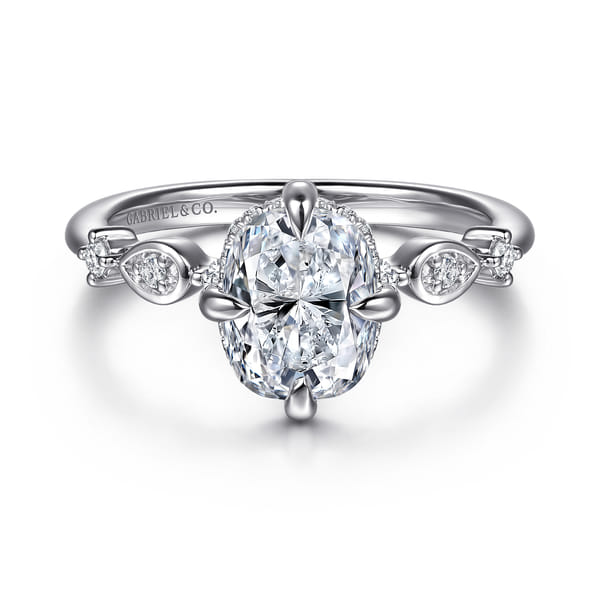
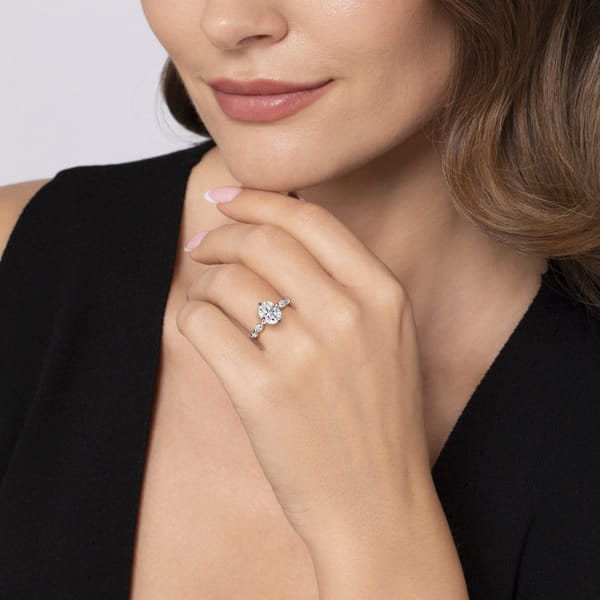
- Cut: The cut of a diamond refers to how well it has been shaped and faceted from its rough form. It affects how light travels through the diamond, which is why it’s considered the biggest driver of beauty. A diamond with an excellent cut will look bright, lively, and full of movement, even from across the room. On the other hand, a stone with high clarity and color but poor cut can still appear flat or dull. If you’re prioritizing one “C” above the others, cut should be it.
- Color: White diamonds are graded from D (colorless) down to Z (noticeable yellow or brown tint). While D–F is technically the most valuable range, G–H diamonds often appear just as bright once set in a ring , especially in white gold or platinum. Choosing near-colorless grades is an easy way to save without sacrificing appearance.
- Clarity: Clarity refers to how clean a diamond is from internal marks (inclusions) or surface marks (blemishes). While flawless diamonds exist, they come at a premium. Most shoppers find that SI1 or SI2 clarity grades strike the best balance: the inclusions are present under magnification but typically not visible to the naked eye once set.
- Carat: Carat is simply weight, not size, but it’s where the price increases most sharply. Diamonds tend to jump in cost at “magic numbers” like 0.50, 1.00, and 1.50 carats. A diamond weighing 0.90 carats can often look nearly identical to a 1.00-carat stone once mounted, but at a noticeably lower price.
Metal choice
The metal of an engagement ring influences both its character and its price. Each metal has its own composition and properties that determine color, durability, and cost.
Gold
Gold is rarely used in its pure 24K form it’s too soft for daily wear. Instead, it’s mixed with other metals, forming alloys that change both its strength and hue.
- Yellow gold is blended with copper and silver. The balance of these alloys creates subtle variations in tone and warmth.
- White gold is mixed with nickel or palladium, which brightens the metal but also adds to the cost due to the refining process and rhodium plating it often requires.
Gold purity also affects value:
- 14K gold (58.3% pure) is tougher and more affordable, ideal for those who prioritize durability.
- 18K gold (75% pure) contains more gold, giving it a deeper color and a price that’s typically 20–30% higher than 14 K.
Platinum
Platinum stands apart as it isn’t an alloy. It’s used in nearly pure form (about 95%), which gives it a noticeable weight and a cool, naturally white luster that never fades. Its density, purity, and rarity make it the most expensive option, often 40–50% higher than 18K gold of a similar design.
| Metal Type | Composition / Purity | Durability | Color Retention | Relative Price |
| 14K Yellow Gold | 58.3% gold + copper/silver | High | Warm tone | $ |
| 18K Yellow Gold | 75% gold + copper/silver | Moderate | Richer hue | $$ |
| 14K White Gold | 58.3% gold + nickel/palladium | High | Needs replating | $$ |
| 18K White Gold | 75% gold + palladium | Moderate | Bright tone | $$$ |
| Platinum | 95% pure platinum | Very high | Naturally white | $$$$ |
Setting Style
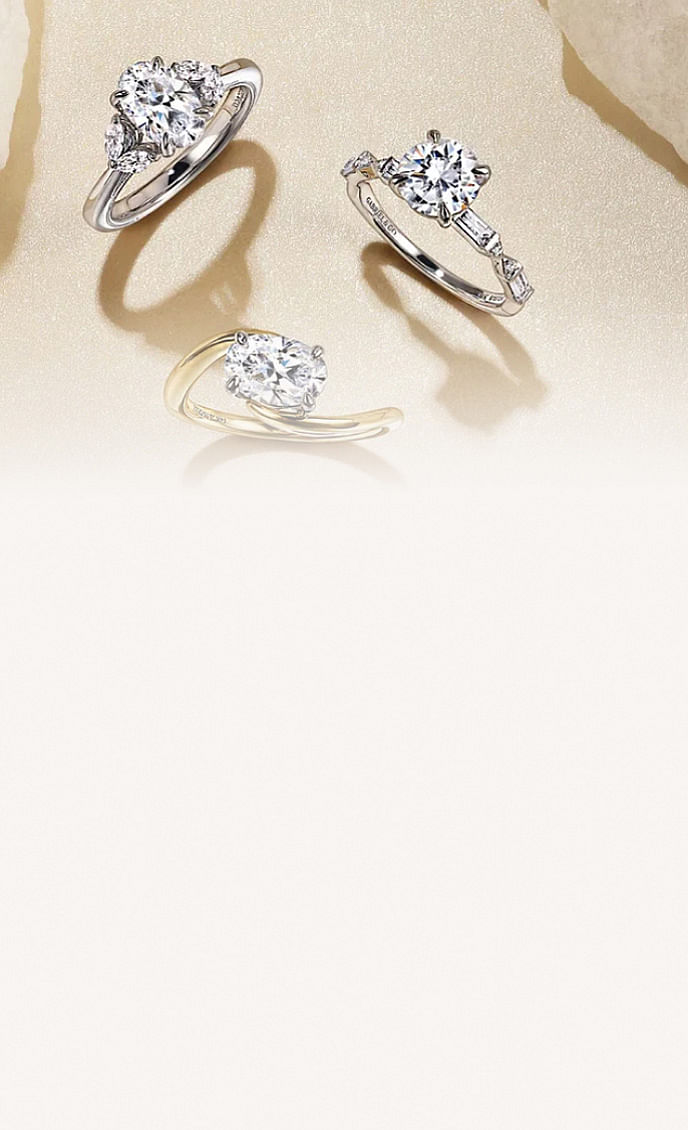
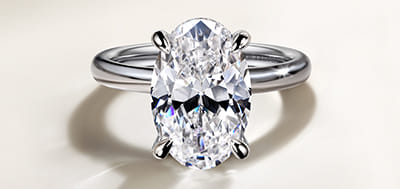
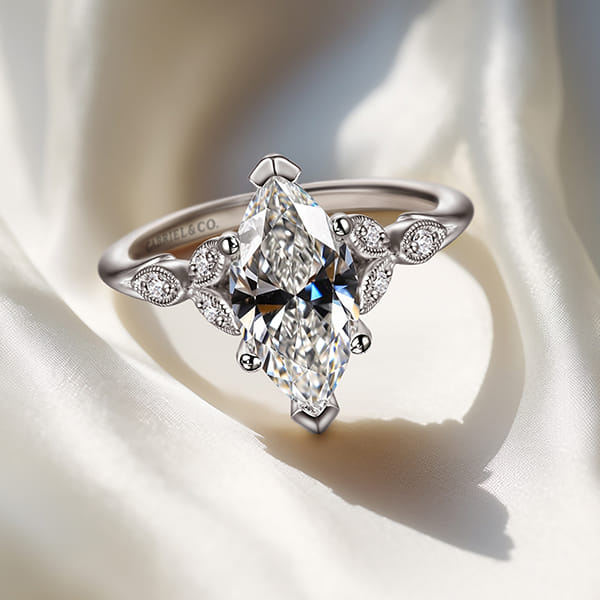
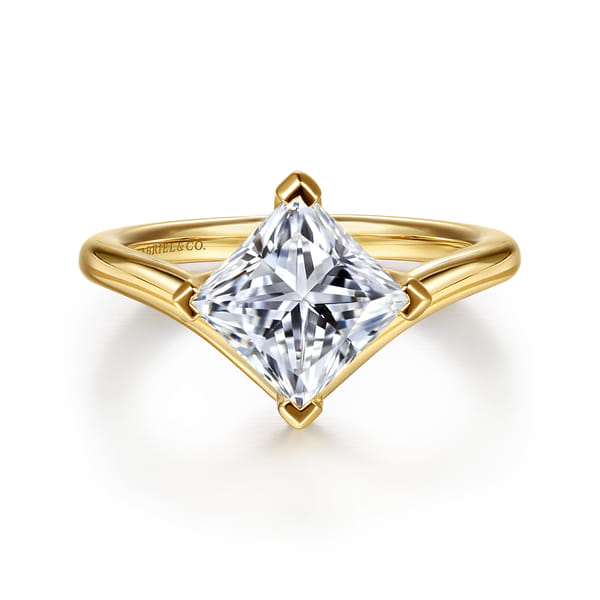
The way a diamond is framed plays a major role in both appearance and price. A solitaire setting is typically the most budget-friendly option since it features one center stone without additional accents and is often chosen for its clean and symbolic simplicity.
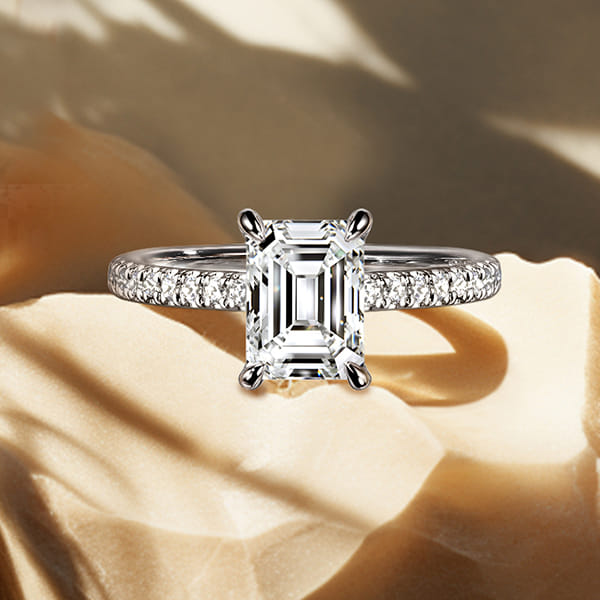
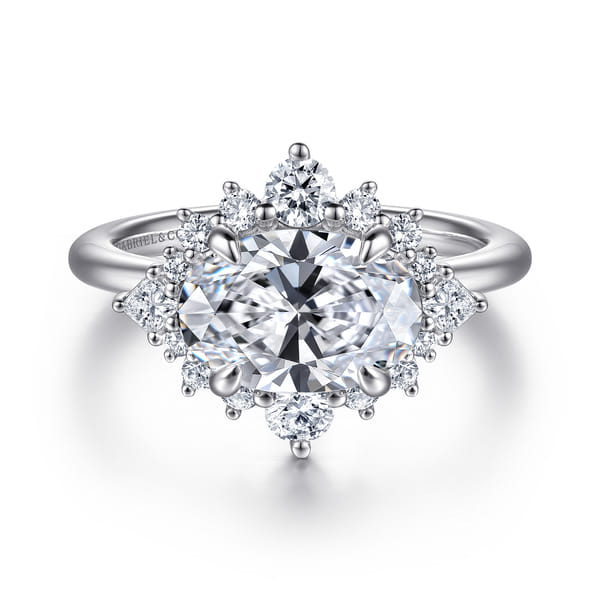
Settings like halo, pavé, and three-stone designs introduce multiple layers of detail. Each diamond must be individually matched in size, color, and clarity, then secured with care. That added labor and attention naturally increase the cost, but it also transforms the overall presence of the ring. A halo can make the center stone appear larger, pavé bands offer continuous shimmer, and three-stone bands add extra sparkle and visual complexity, contributing to a higher price point.
Design and Craftsmanship
Not all engagement rings are created equal. Two rings may share the same silhouette, but the difference becomes clear upon closer inspection. Craftsmanship plays a key role, and it directly influences the price of the ring. The way the metal is shaped, how a basket curves beneath the diamond, and how smooth the inner band feels against the skin are some of the elements that turn a ring from a purchase into an heirloom.
At Gabriel & Co., every ring is approached as a future legacy, not just an accessory for today. We design with the understanding that one day, this piece may be passed from grandmother to grandson, treasured not only for its beauty but for its story. And every story deserves an identity.
That is why each Gabriel & Co. ring is engraved with a unique serial number, a mark that makes it singular, traceable, and recognized. With over 150 years of combined jewelry experience, our artisans blend art with science in every design, ensuring that every curve, setting, and finish serves both beauty and purpose. The thickness of our prongs is precisely engineered to keep each stone secure and withstand daily wear. Every part of the setting, even the seat beneath the melee stones, is polished to keep light unobstructed so the diamond shines at its fullest. This harmony of creativity and precision defines our craftsmanship, transforming every ring into a piece built to endure, to be worn proudly, and to be passed down for generations.
How Much Does an Engagement Ring Cost?
According to BriteCo’s 2025 research, the average cost of an engagement ring in the U.S. is approximately $6,500, though spending can range from under $1,000 to well over $20,000 depending on preferences and priorities.
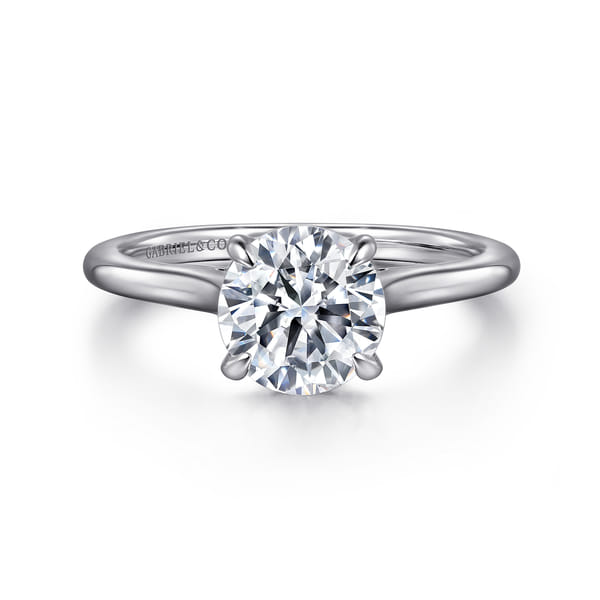
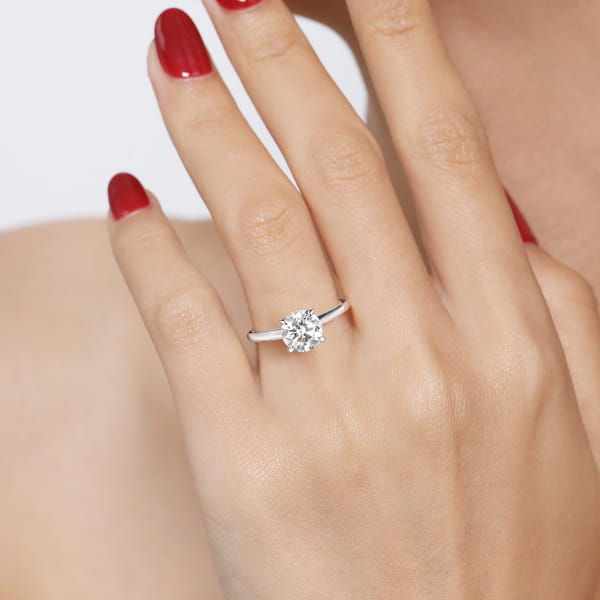
Refined simplicity: Ideal for understated elegance
Rings in this category often feature smaller center stones or alternative diamond shapes such as oval, pear, or marquise cuts that maximize visual impact while keeping weight modest. Simple solitaire bands, delicate pavé detailing, or subtle hidden halos provide a luminous look without requiring a major financial commitment. This range is perfect for first-time buyers or those seeking elegance in simplicity.
Examples include:
- A classic solitaire with a slim 14K gold band
- A petite three-stone ring with a minimal band
- A small oval diamond with a delicate pavé shank
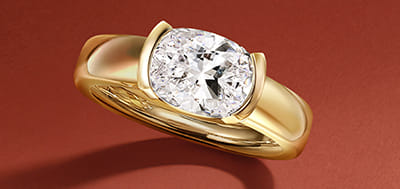
- Other ideas: solitaire rings with bezel settings, small vintage-inspired bands, or colored gemstones paired with minimal gold settings.
Balanced brilliance: When size and detail meet
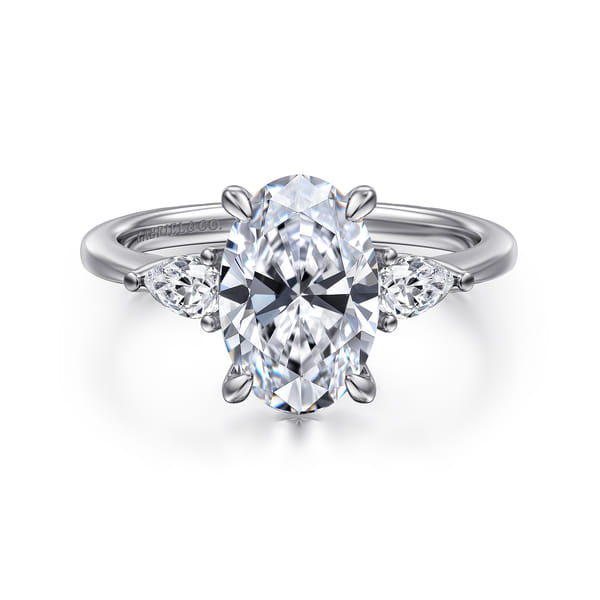
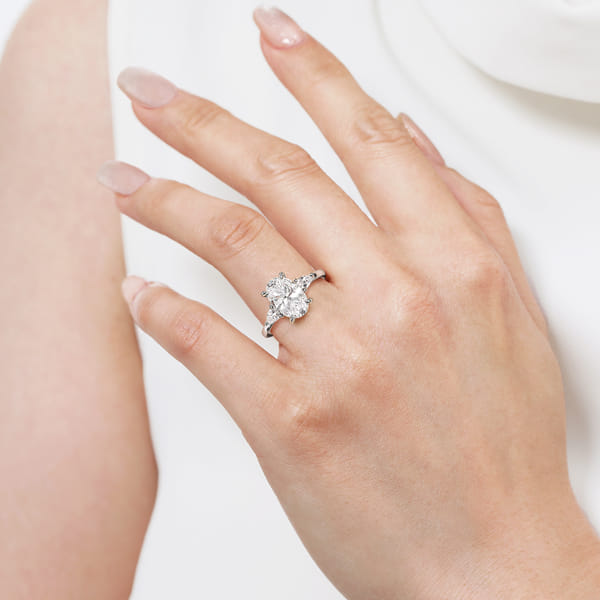
This category features rings with larger diamonds or added design elements such as halos, side stones, or gentle pavé accents. Near-colorless grades (G–H) and eye-clean clarity (SI1–SI2) ensure exceptional sparkle while balancing visual impact and cost. The metal and setting begin to play a larger role here, with options in white, yellow, or rose gold, and sometimes platinum for added durability.
Examples include:
- A three-stone engagement ring with a simple band
- A halo setting with a slightly larger center stone
- A round solitaire with subtle side accents
- Other ideas: split-shank designs, petite vintage-inspired filigree, and mixed-metal bands that elevate the visual appeal without adding unnecessary complexity.
Distinctive craftsmanship: For statement and legacy
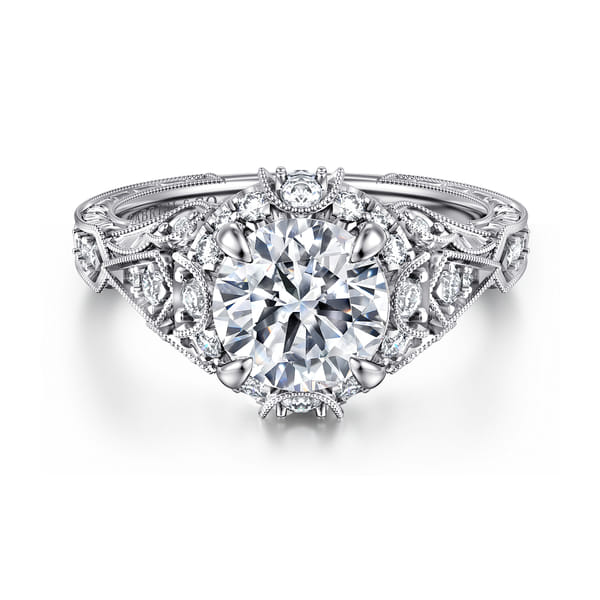
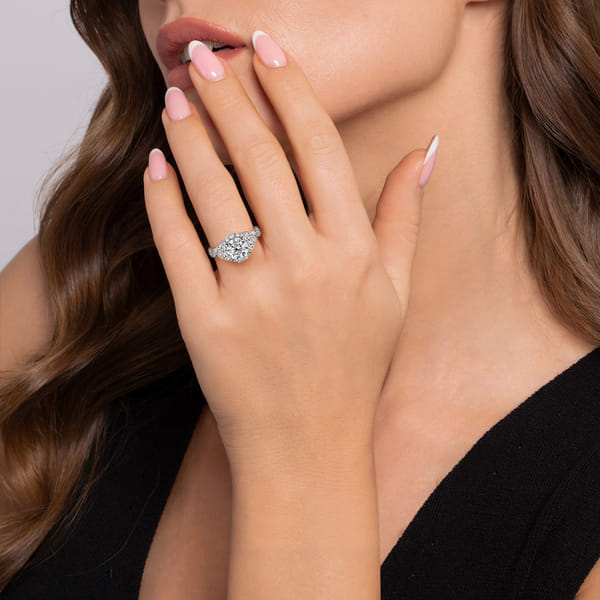
Rings in this range emphasize higher carat weights, exceptional color and clarity, and intricate artistry that requires time and precision to craft. Platinum settings, filigree work, engraved bands, or elaborate vintage-inspired designs fall here. These rings are intended to be heirlooms; pieces that carry both emotional and material significance, and stand out for their meticulous craftsmanship and thoughtful design.
Examples include:
- A large center diamond with an ornate, filigree band
- Halo or three-stone rings with elaborate side detailing
- Vintage-inspired designs with intricate engraving and accent diamonds
- Other ideas: sculptural bands, custom-designed rings with unique stone arrangements, and rings that combine multiple metals or diamond shapes to create a one-of-a-kind look.
How Many Carats is the Average Engagement Ring Diamond?
The average size of a natural diamond center stone in U.S. engagement rings is around 1 carat, while in the UK and Europe it’s closer to 0.5–0.6 carats. However, the average tends to rise when lab-grown diamonds are included.
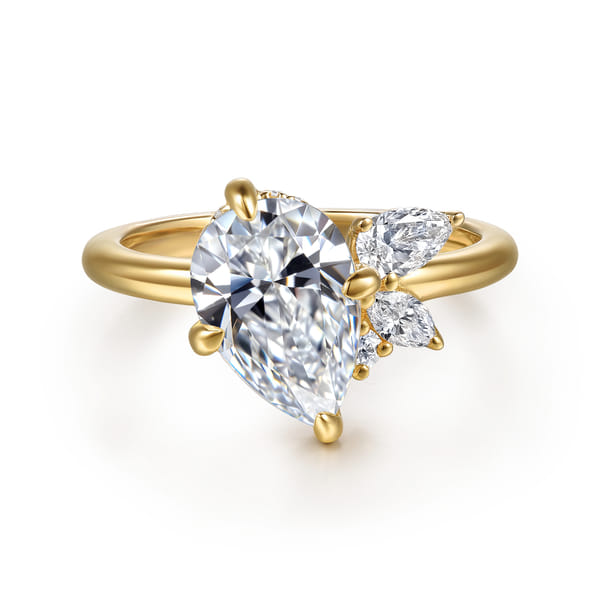
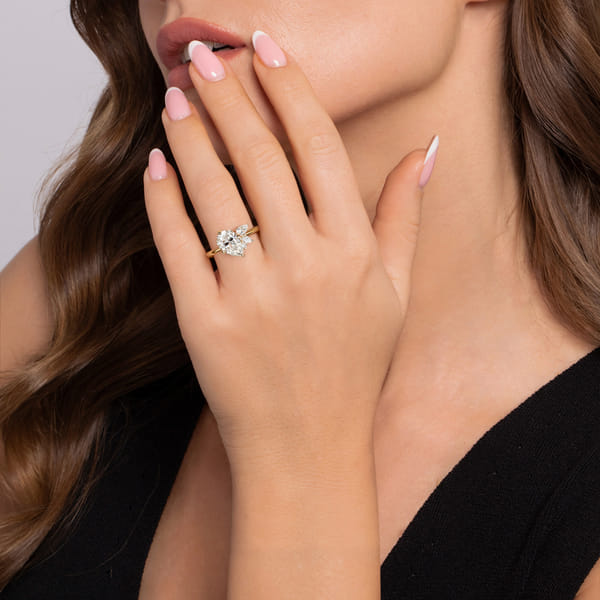
Larger stones increase the cost, but shapes like oval or pear can appear bigger than round or square diamonds of the same weight, giving a visually impressive look without the added price. Round diamonds remain the most popular choice, but other shapes are growing in appeal for couples seeking a unique style.
Curious to find out which carat size is right for your engagement ring? Check out our blog post that breaks it all down.
Why the Two Months’ Salary Guideline Matters
Many couples today approach engagement ring budgets in different ways, but there is a traditional guideline worth considering: spending roughly two months’ salary on an engagement ring. This doesn’t show off wealth or put material things above love; it reflects the thought and care behind one of life’s most meaningful gestures.
Choosing to invest thoughtfully in an engagement ring transcends the price tag. It reflects commitment and a willingness to make a meaningful sacrifice for the person you love. The effort put into selecting a ring shows how much she means to you, and the respect you carry for her, for your relationship, and for the families who support it.
As our Founder and Chief Design Officer, Dominick Gabriel, passionately expressed, “As a parent, you want your daughter to feel cherished and valued in every way. The man she marries should be willing to show his love through intention, sacrifice, and care because someone so precious deserves nothing less.”
It’s important to note that the ring doesn’t have to be extravagantly expensive. The two-month guideline is about aligning the purchase with what you can reasonably dedicate, choosing something that reflects devotion and thoughtfulness, not excess. When a man follows this guideline, it sends a clear message that he cherishes his partner, is committed to building a life together, and is willing to put thought and effort into one of life’s most important moments.
Should You Insure Your Engagement Ring?
If your ring is expensive enough and you’re not very confident about handling your jewelry well, explore insurance. Ask pertinent questions to your insurance company on coverage, replacement, value assessment, and requirement of documents. Consider staying within the 1%-2% of your ring’s cost as an insurance premium per annum.
Final Thoughts
How much should you spend on an engagement ring? The two-month salary guideline can serve as a helpful benchmark, but the most important factor is choosing a jeweler who prioritizes quality and craftsmanship. Focus on the details that matter: the diamond’s cut and shape, the metal, and the style that feels personal. Thoughtful choices let you balance beauty, durability, and cost, creating a ring that is both meaningful and built to last. Gabriel & Co. offers a variety of engagement ring settings and designs, ensuring you find a piece that reflects your vision and honors the care and artistry that make it a true heirloom.
Unsure how to pick the perfect engagement ring? Explore our guide and, while you’re at it, see how much to spend on a wedding ring to plan both with confidence.
FAQs
How much should you realistically spend on an engagement ring?
There’s no fixed number. Focus on a ring that fits your budget while prioritizing the elements that matter most: diamond quality, metal, and style. Comfortably affordable choices often create the most thoughtful purchases.
What is the average cost of an engagement ring in the U.S.?
In 2025, the average is around $8,500, though many rings fall below or above that range depending on carat weight, cut, and setting style.
Is it better to spend more on the diamond or the setting?
Generally, the diamond has the biggest impact on appearance and value, but a well-chosen setting can enhance the stone’s presence. Balance is key; invest where it will create the most impact.
Can you get a high-quality engagement ring on a smaller budget?
Yes. Opt for slightly smaller carat weights, elongated shapes, or near-colorless diamonds to maximize visual impact without overspending. Thoughtful setting choices can also make a smaller diamond shine.
Should you finance an engagement ring or save up and pay in cash?
Paying in cash avoids interest and gives full control over your budget. Financing is an option if needed, but it’s important to understand the terms and ensure it fits comfortably within your finances.
What factors influence the price of an engagement ring the most?
Carat weight, diamond cut, color, clarity, metal type, and setting complexity are the main drivers. Even small changes in any of these can significantly affect cost.
Does the cost of an engagement ring matter in the long run?
Not necessarily. The emotional value and personal meaning of the ring often outweigh its price. A thoughtfully chosen ring that fits your life and budget will hold significance far longer than the amount spent.