Good to Have You Back

A wedding ring goes through a lot. Daily wear, handwashing, lotions, and everyday life can slowly dull its shine. Knowing how to clean a wedding ring at home makes it easy to restore its glow without risking scratches, loose stones, or unnecessary damage. The key is understanding the metal, gemstones, and setting, so you can choose a cleaning method that works for your ring, not against it.
Step 1: Examine your ring
Before you start, take a close look at your ring and identify the three main aspects:
- The metals: Gold, platinum, and sterling silver all respond differently to cleaning. Gold is durable but white gold has a rhodium plating that can wear off with harsh chemicals. Platinum is naturally resistant to tarnish but can be scratched if polished aggressively. Sterling silver tarnishes over time and requires gentle cleaning and occasional polishing.
-
The gemstones: Diamonds are tough and resilient, but softer stones like emeralds, pearls, and opals are sensitive to heat, moisture, and chemicals, so they require extra care. Understanding the type of gemstone helps you avoid damage.
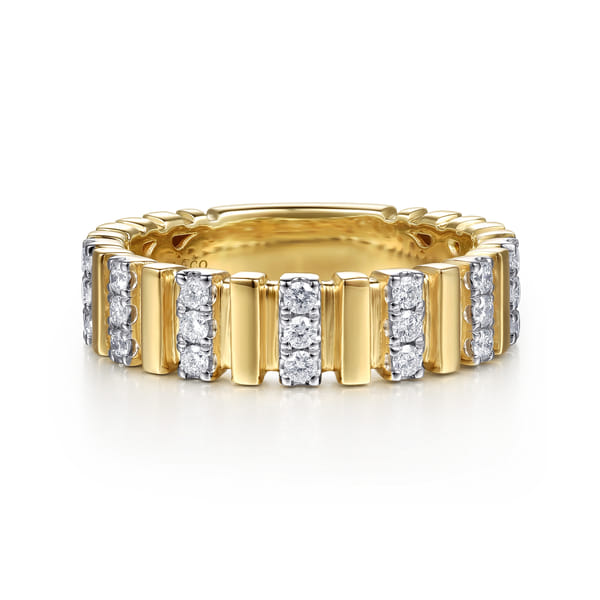
- The setting: How the stones are secured affects cleaning. Prongs, bezel, pavé, and intricate filigree can trap dirt and oils in tiny crevices. Knowing this will help you choose the right tools and techniques.
Step 2: Daily maintenance
Keeping your ring clean between deeper cleans is simple and effective:
- Rinse your ring under warm water after washing your hands or showering to remove oils and residue.
- Gently wipe your ring with a soft, lint-free cloth to restore shine and prevent dirt from building up in small crevices.
These small habits make a huge difference in keeping your wedding and engagement ring looking bright and reduce the need for more intensive cleaning.
Step 3: Cleaning based on metal
Gold
Mild soap and warm water are safe for everyday cleaning. Avoid toothpaste or abrasive cleaners, which can scratch the surface. White gold may need occasional re-plating if the rhodium layer wears thin.
Platinum
This metal is very durable, but you should still avoid scrubbing too aggressively in detailed areas, as fine scratches can appear over time. Gentle soapy water and a soft brush are ideal.
Sterling silver
Regular cleaning with mild soap and water works, but for tarnish, use a soft silver polishing cloth. Avoid chemicals like bleach or ammonia, which can permanently damage the metal.
Step 4: Cleaning based on the gemstone
Not all stones can be treated the same way. Here’s a simple guide:
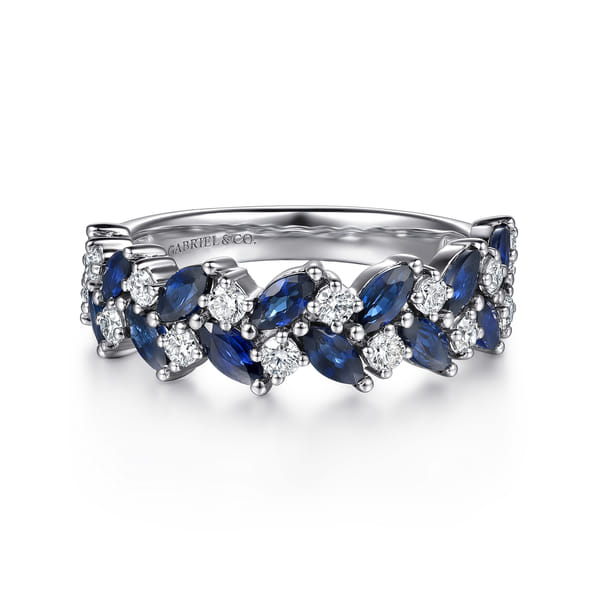
- Diamonds, rubies, sapphires: These hard stones can handle a brief soak in warm, soapy water and gentle brushing with a soft toothbrush to remove dirt trapped under prongs.
- Emeralds: Often treated or softer, emeralds should never be soaked. Wipe gently with a damp cloth and a tiny bit of mild soap, then remove all residue with a clean damp cloth.
- Pearls and opals: Delicate and porous, these stones should never be soaked or brushed. Lightly wipe with a soft, damp cloth and let them air dry completely. Avoid ultrasonic and steam cleaners.
- Mixed or unusual stones: When in doubt, skip soaking and stick to gentle wiping to avoid cracks, scratches, or damage to coatings.
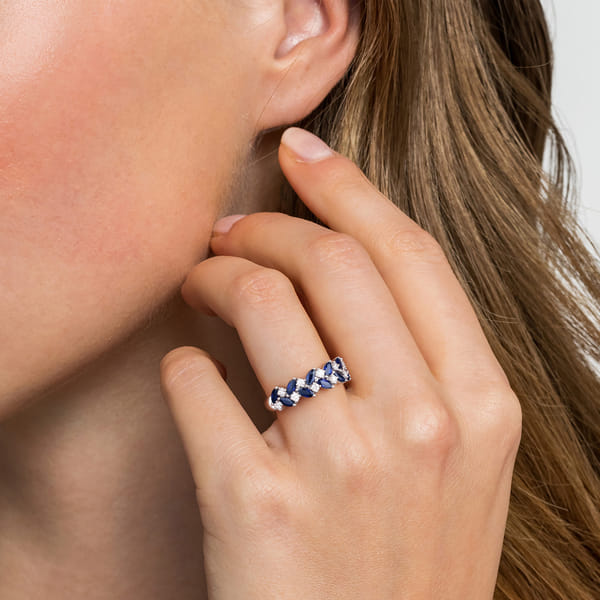
Step 5: Cleaning based on setting
Different settings require different approaches to reach all the hidden spots without causing damage:
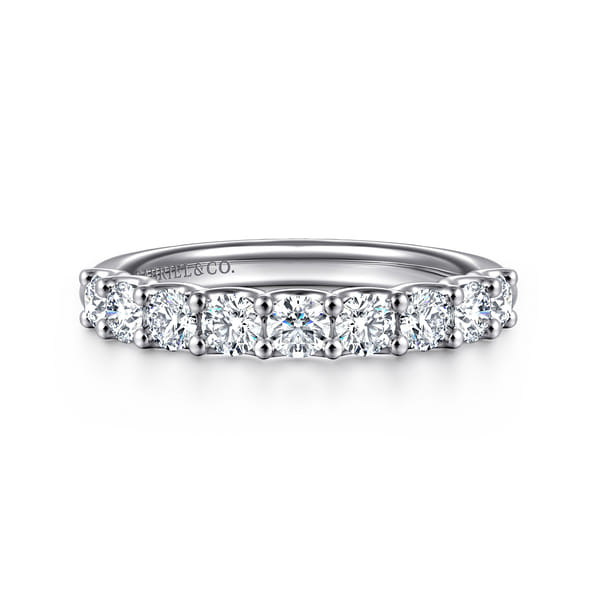
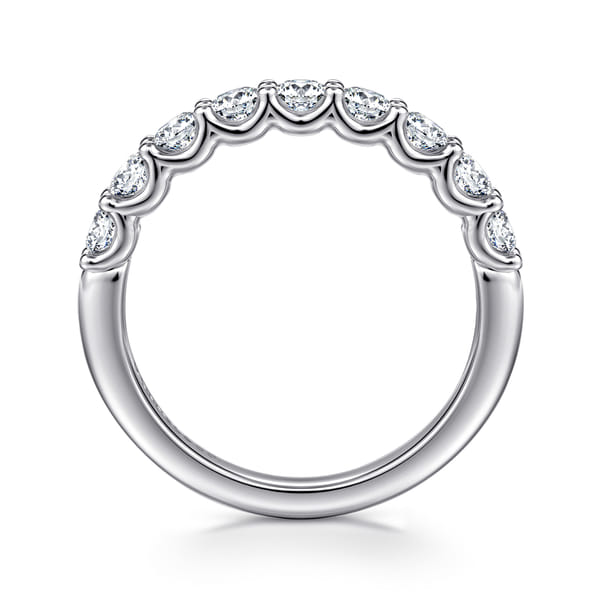
Prong settings
Dirt and oils can hide underneath prongs. Use a soft brush or gently work a toothpick around the edges to loosen buildup without putting pressure on the stones.
Bezel settings
These are water-resistant, but soap can collect along the edges. Rinse carefully and wipe dry to avoid residue.
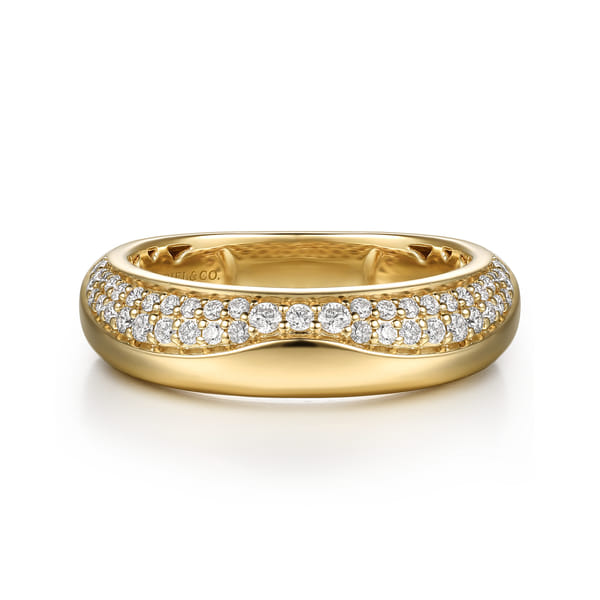
Pavé or micro-pavé
Tiny stones in delicate patterns need a very soft touch. Brushing lightly is enough to remove dirt without loosening the stones.
Ornate filigree and intricate details
These require patience. Soak briefly in warm, soapy water, then use a soft brush to carefully clean each crevice. Take your time to avoid dislodging any stones or damaging delicate metalwork.
Step 6: Drying and polishing
After cleaning your ring, rinse thoroughly with clean water and gently pat it dry with a soft, lint-free cloth. Let it air dry completely before wearing it again. Metals can be polished lightly to restore shine, but avoid applying pressure to gemstones or delicate filigree work.
Step 7: Extra tips for everyday shine
1- Remove your ring before doing heavy chores, working out, or applying lotions or cosmetics to prevent buildup and scratches.
2- Store rings separately in soft pouches or compartments to avoid scratching against other jewelry.
3- Take your ring to a professional jeweler once a year to check prongs, settings, and overall condition, especially for delicate or intricate designs.
Final thoughts
Now that you know how to clean your wedding ring at home safely, keeping it looking its best becomes part of your regular routine. A little care goes a long way when it comes to preserving both the beauty of your ring and the details that make it special. If you’re also wondering about caring for other pieces, be sure to check out our guides on how to clean your engagement ring and how to clean silver jewelry for more helpful tips and expert advice.
FAQs
How do I clean my wedding ring at home safely?
Use warm water, mild soap, and a soft brush or cloth. Clean gently, rinse well, and dry with a soft cloth to avoid damage.
What is the best homemade solution to clean a wedding ring?
Warm water with a few drops of mild dish soap is the safest and most effective homemade solution for most rings.
Can I clean my wedding ring with dish soap and water?
Yes, as long as the soap is mild and the ring does not include delicate gemstones. Use a soft brush and light pressure.
How often should I clean my wedding ring at home?
Light cleaning once a week is usually enough. Deeper cleaning can be done once or twice a month, depending on wear.
How do you clean a diamond wedding ring at home without damage?
Soak briefly in warm, soapy water, gently brush around the diamond and setting, rinse, and dry with a soft cloth.
What should you never use to clean a wedding ring?
Avoid bleach, ammonia, acetone, toothpaste, abrasive cleaners, and rough brushes. These can damage metal and stone.
When should I take my wedding ring to a professional jeweler?
If stones feel loose, the setting looks worn, take it once a year for a routine inspection and professional cleaning.