Good to Have You Back

A diamond doesn’t always come with a visible truth label. It may arrive as a gift, an inheritance, or a secondhand purchase, and sometimes all you’re left with is a question: “Is this what I think it is?” If you’ve ever wondered how to tell if a diamond is real, you’re not alone. Authenticity isn’t always obvious to the eye, but there are signs, some subtle and others scientific, that can reveal whether a stone is genuine or simply made to look the part.
Below is a detailed walkthrough of the most reliable ways to assess a diamond, from visual observation and home tests to professional tools used in jewelry labs.
Visual checks
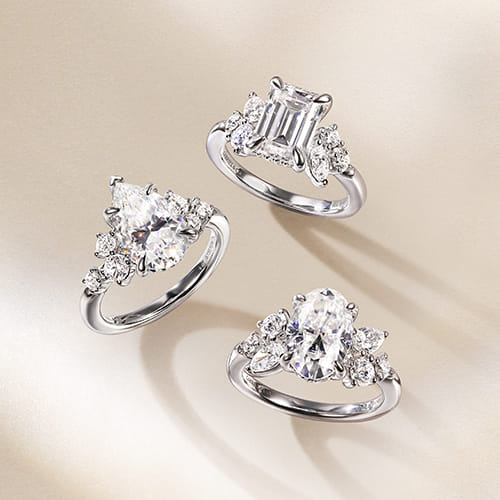
Sparkle and light return
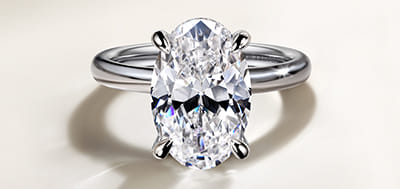
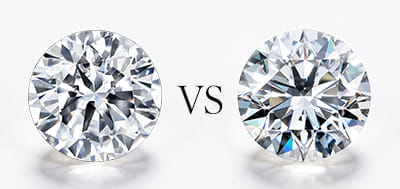
Real diamonds interact with light in a disciplined way. They reflect white light with strength, creating a sharp, bright appearance rather than an overly rainbow-like glow. If the stone throws excessive colored light or appears hazy when tilted, it may be a simulant with lower refractive properties.
Facet precision and symmetry
Examine the edges and alignment of each facet. A real diamond, especially one that has been professionally cut, shows clean, angular intersections where facets meet. Stones with rounded edges or uneven facet alignment often signal a material that was easier (and cheaper) to cut.
Surface and internal characteristics
Under lighting or slight magnification, look for natural traits such as tiny inclusions, faint wisps, or subtle color zoning. These irregularities are common in genuine diamonds. Stones that appear uniformly perfect, especially under magnification, may be synthetic or imitation.
Metal and mounting quality
Inspect the setting. Diamonds are rarely placed in low-grade metals. Hallmarks such as 10K, 14K, 18K, 585, 750, PT, or 950 indicate solid gold or platinum. If the metal appears worn, unmarked, or overly lightweight, question the authenticity of the stone it holds.
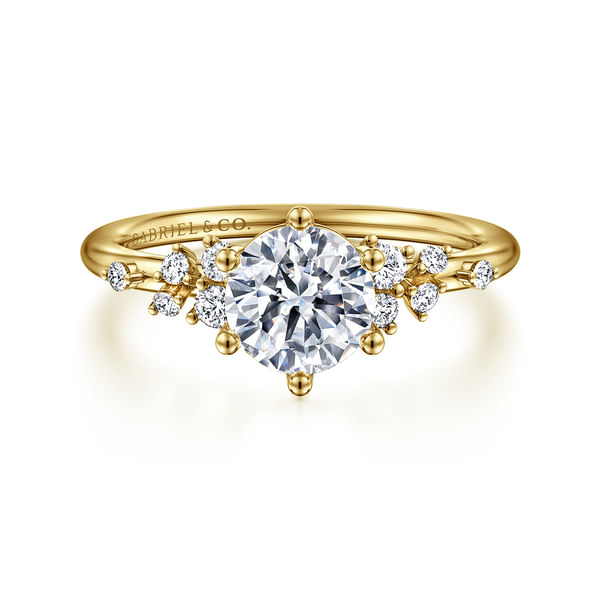
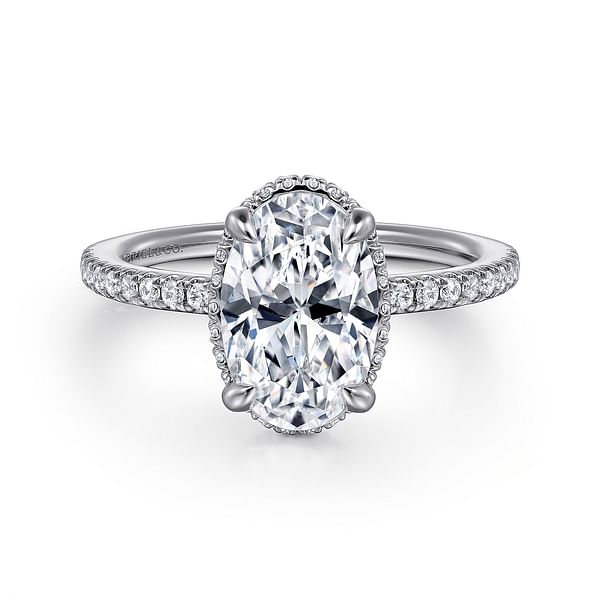
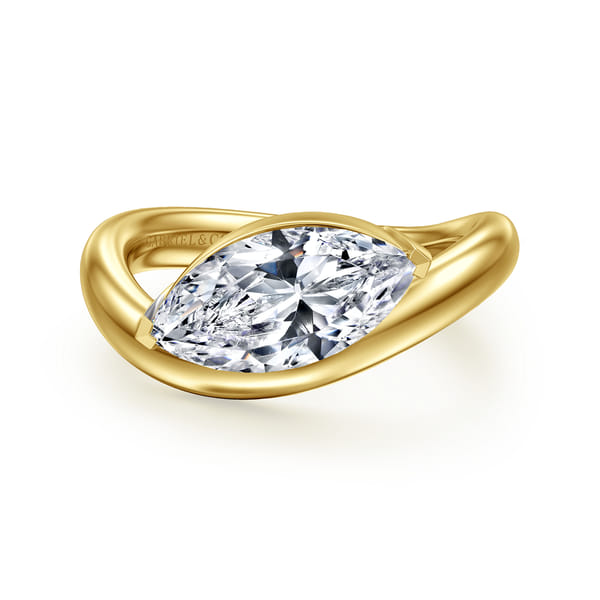
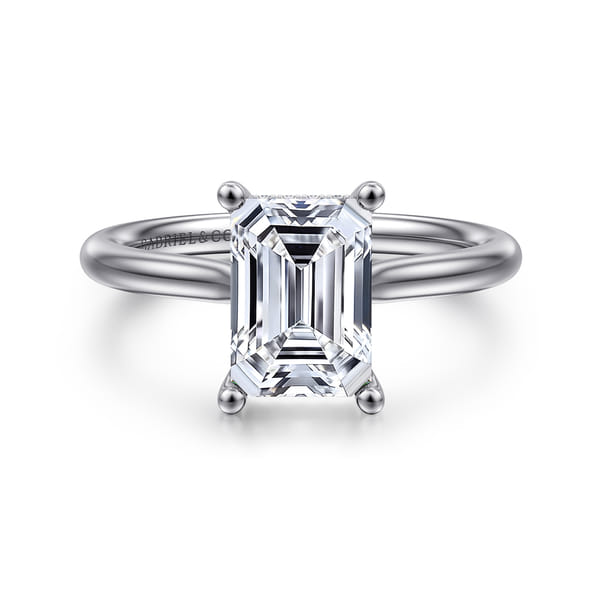
Now that you know what authenticity looks like, find it reflected in our engagement ring and wedding ring collections.
How to tell if a diamond is real at home: At-home tests
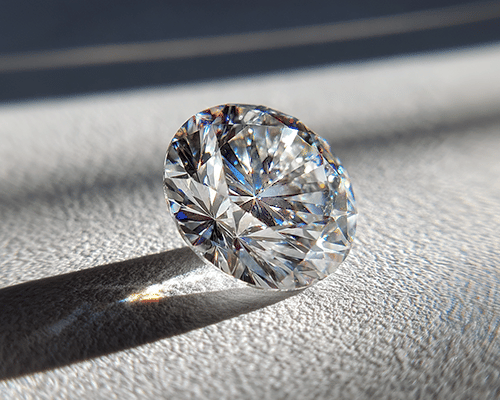
The fog test
Breathe lightly onto the stone. A genuine diamond releases heat quickly, causing the fog to disappear almost immediately. Stones that stay clouded for more than a couple of seconds retain heat and may be composed of glass or cubic zirconia.
The water test
Fill a glass with water and drop the loose stone in. Diamonds have a high density and will sink directly to the bottom. Simulants with lower density may float or descend slowly. For mounted stones, skip this test and move to visual or thermal checks instead.
The dot test
Place the stone face-down on a piece of white paper with a small black dot drawn on it. If the dot is visible through the top of the stone, the material is allowing light to pass straight through. A diamond bends light strongly enough to distort or conceal the dot.
The UV light test
Under ultraviolet light, many diamonds display bluish fluorescence. This is not a rule of authenticity. Some genuine stones have no reaction, but strong green or yellow fluorescence may indicate a simulant. Use this as a supporting clue rather than a standalone verdict.
the mirror test
Hold the stone in front of a mirror and tilt it slightly from side to side. A genuine diamond scatters light in all directions, creating crisp, powerful reflections. Fakes usually appear flat against the mirror, without that same energetic sparkle.
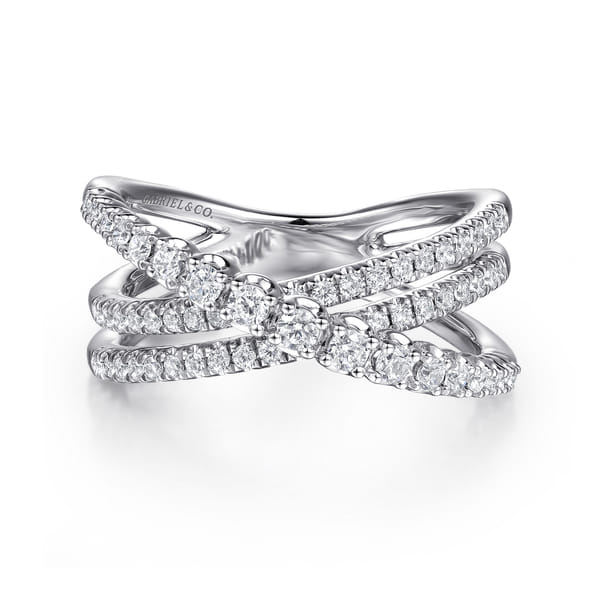
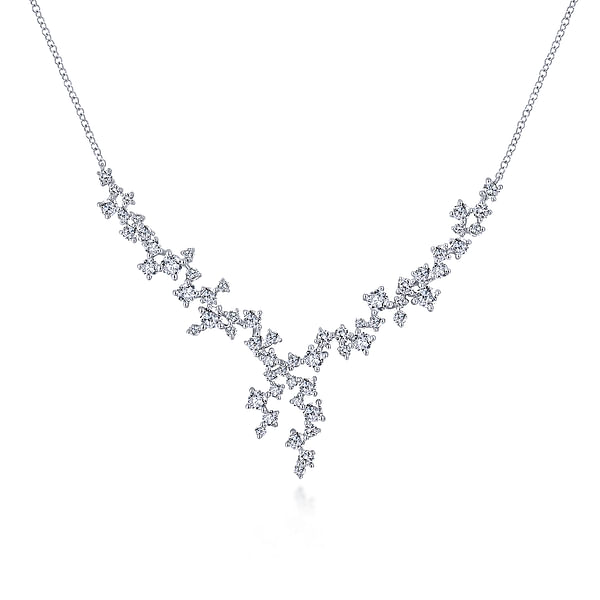
If you love the sparkle of authenticity, you’ll find it throughout our Fine Jewelry Collection.
Professional evaluation
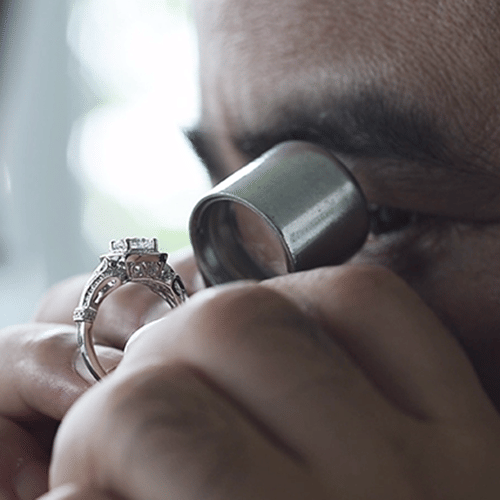
Loupe examination
A jeweler will inspect the stone under 10× magnification, looking for natural growth patterns, inclusions, or polishing marks. These internal structures often have a distinctive fingerprint only found in diamond crystals.
Thermal conductivity testing
Diamonds conduct heat rapidly. Professional testers apply a fine-tipped probe and measure how quickly heat dissipates. Most imitations fail this test due to slower thermal response.
Electrical conductivity testing
Some simulants, such as moissanite, mimic a diamond’s thermal behavior but react differently to electrical current. This secondary test allows professionals to distinguish between diamond and diamond-like substitutes with similar appearance.
Grading report
The final word on authenticity comes from an official grading report issued by a recognized gemological lab, such as the Gemological Institute of America (GIA). It documents every measurable trait, from the diamond’s cut and color to its clarity and carat weight, and verifies it as genuine.
Ready to pick the ring that says “yes”? Read our guide: How to Pick Your Engagement Ring.
Diamond vs. common simulants
 1Taupe 16x9.jpg "How to Tell if a Diamond Is Real")
Knowing how imitations behave makes spotting them much easier.
Cubic Zzirconia (CZ)
Softer and more prone to scratches. Sparkle appears broad and glassy rather than sharp. Holds fog longer when breathed on.
Moissanite
Closer in appearance to diamond but shows strong rainbow flashes when moved under light. Often displays slight double-reflection along facet edges.
White sapphire
Less reflective overall. Sparkle is muted and hazy, giving a more translucent look instead of crisp brilliance.
Final thoughts
How do you know if a diamond is real? The answer rarely comes from a single test. Authenticity is confirmed through consistency, when a stone behaves as expected across multiple observations. Begin with what you can see, continue with what you can test, and, if needed, allow professional tools to complete the evaluation. A genuine diamond withstands scrutiny from every angle.
When you shop with Gabriel & Co, you can do so with confidence: every diamond is GIA-approved and comes with a certificate of authenticity, so the beauty you see is the truth you can trust.
FAQs
Can you tell if a diamond is real with water?
Yes. If you drop the stone into a glass of water, a real diamond sinks because of its high density, while many imitations float or sink slowly.
Do real diamonds fog up?
No. When you breathe on a real diamond, the fog from your breath disappears almost instantly, unlike fake stones that stay cloudy for a few seconds.
How do jewelers test diamonds?
Jewelers use tools like diamond testers, loupes, and microscopes to check conductivity, inclusions, and light refraction. Some may also use advanced lab instruments for verification.
Can you test if a diamond is real with your phone flashlight?
Yes, to a degree. Shine your phone’s flashlight on the stone; real diamonds reflect bright white light and some rainbow flashes, while fakes often look dull or overly colorful.
What’s the easiest way to spot a fake diamond at home?
Use a combination of simple tests: fog, water, and sparkle comparison. Real diamonds stay clear, sink in water, and reflect light sharply.
Do real diamonds sparkle differently than fake ones?
Yes. Real diamonds give off a sharp, balanced sparkle with both white (brilliance) and rainbow (fire) light, while fake stones usually show dull or overly rainbow-colored flashes.
Can a jeweler tell if a diamond is real instantly?
Usually, yes. Experienced jewelers can often tell within seconds using a loupe or tester, though official grading requires lab analysis.
Are there affordable tools to test if a diamond is genuine?
Yes. Portable diamond testers that measure thermal or electrical conductivity are widely available and fairly accurate for home use.