Good to Have You Back

Silver jewelry has a way of showing up everywhere: in your jewelry box, in vintage markets, in online shops, and sometimes in a small pouch you forgot you owned.
But here’s the problem: Not everything that looks like silver is actually silver. Some pieces are plated; some are stainless steel pretending to be something else, and some are simply very convincing costume jewelry.
So, how to tell if silver jewelry is real?
Below are the most reliable ways to check, including easy at-home tests, what each one means, and when it is worth getting a jeweler involved.
Why it matters if silver jewelry is real
This is not just about the price tag. Real silver matters because it:
- Holds up over time, instead of peeling or fading after a few wears.
- Ages in a recognizable way. Sterling silver tarnishes, but it does not flake like plated metals.
- Tends to be kinder to sensitive skin, especially compared to nickel-based alloys.
- Keeps its value better, whether you are reselling it or saving it long-term.
- Can be polished and repaired, which makes it a better choice for everyday jewelry.
First: What real silver actually means
That is why most jewelry is made from sterling silver, which is a stronger mix designed to hold its shape and survive real life.
Most silver jewelry you see today is not made from pure silver, and that is a good thing. Pure silver is naturally soft, which means it bends and scratches easily.
Sterling silver (925)
Sterling silver means the piece is made from 92.5% real silver, mixed with 7.5% other metals (usually copper) for durability. This is why the stamp “925” is the most common purity mark you will see on genuine silver jewelry
How to check if silver is real: 7 simple ways
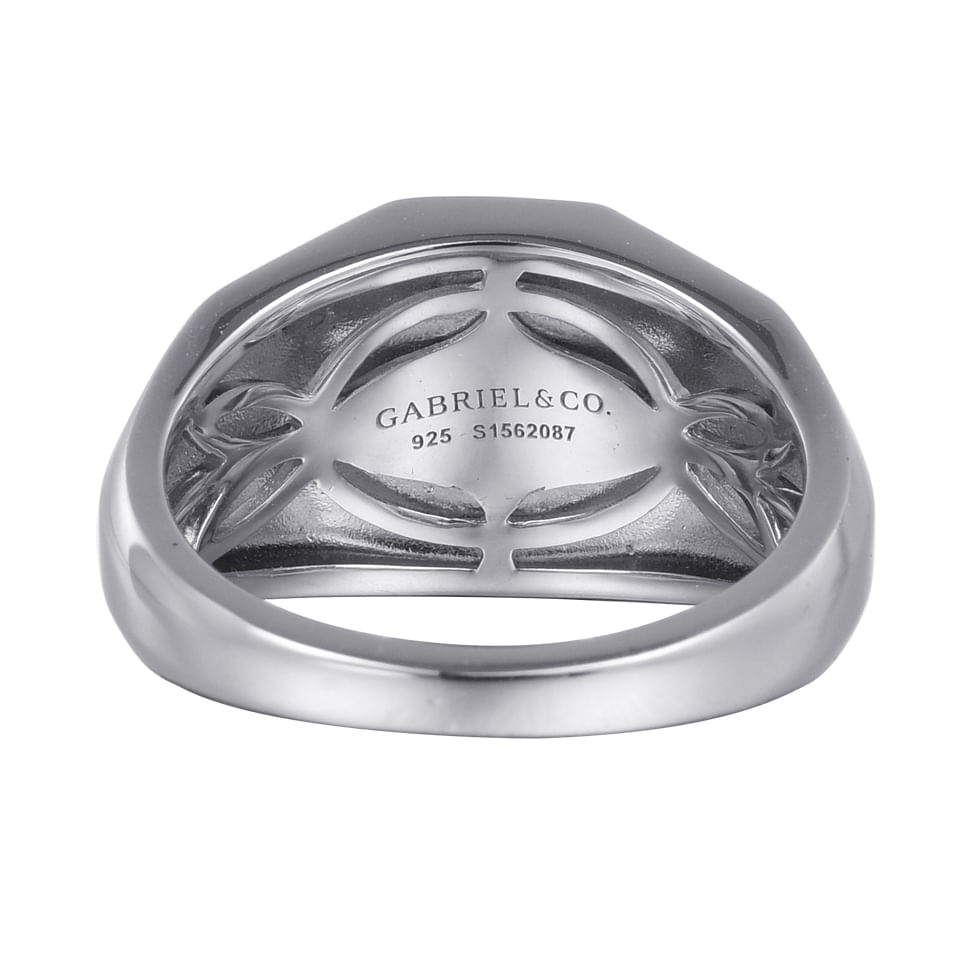
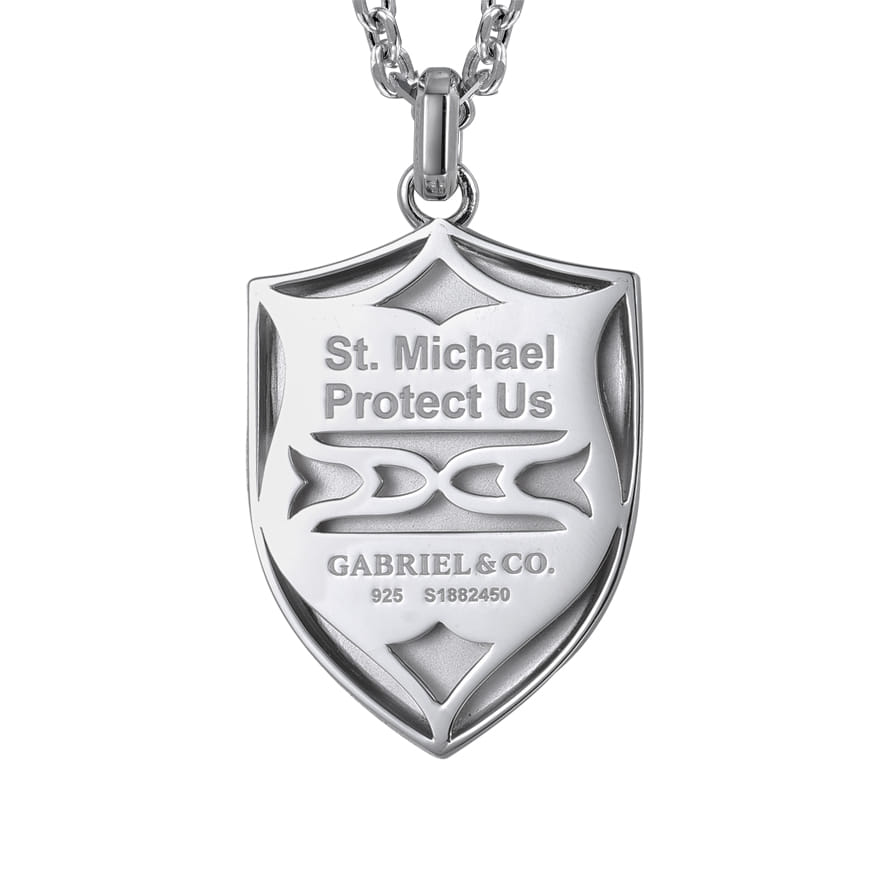
Common genuine silver marks include:
The easiest first step is checking for a hallmark, which is a tiny stamp that indicates purity.
- 925
- .925
- Sterling
- Ster
- 925 Italy (especially common on chains)
1) Check for hallmark (but do not stop there)
You might also see older or less common purity marks such as:
- 800
- 900
- 950
Hallmarks are usually tucked into small areas like the inside of silver rings, behind pendants, near chain clasps, bracelet closures, or earring posts. One important note: A stamp is a clue, not a guarantee. Some fake pieces are stamped “925,” which is why it is always smart to pair this with at least one physical test.
If you want a deeper dive into sterling silver hallmarks, what they mean, and where they come from, we break it all down in our dedicated guide.
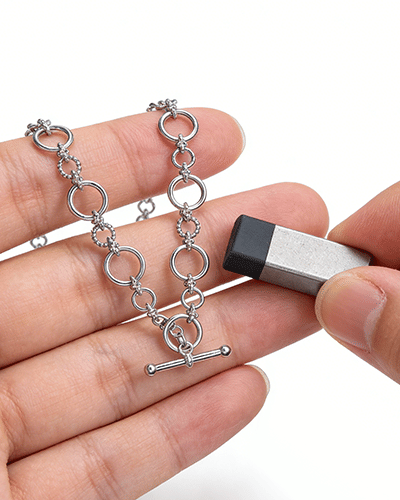
2) The magnet test for silver (quick, simple, and useful)
Silver is not magnetic, which makes this one of the fastest checks you can do at home. Use a strong magnet and move it slowly across the jewelry, especially across the largest parts of the metal.
If the piece sticks firmly, it is not solid silver. If there is no reaction, it could be silver, but you will want to confirm with other tests before you trust it.
A detail most people miss is that some genuine silver jewelry has small steel components, especially clasps. So if only the clasp reacts, that does not automatically mean the entire piece is fake. Focus on the main metal.
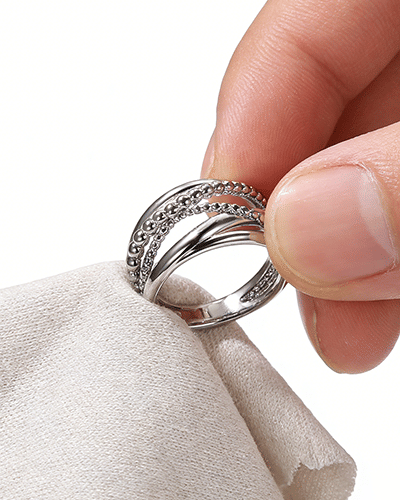
3) Look for tarnish (silver gets dark, and that is normal)
One of the most misunderstood things about silver is that tarnish is not a flaw. It is simply the metal reacting naturally to air, moisture, and everyday wear.
Real silver often develops darker areas, a slightly dull finish, or black residue when polished. That is normal, especially on pieces that are worn often or stored for a long time.
Fake silver usually behaves differently. Instead of tarnishing evenly, it may peel, fade, turn yellowish, change color in patches, or reveal a different metal underneath.
If you want a quick test, rub the piece gently with a clean white cloth. If you see black marks on the cloth, that is usually a good sign. If you see no marks, it does not automatically mean the piece is fake. It may simply be clean.
Check out our blog post on Why Silver Tarnishes and How to Prevent It.
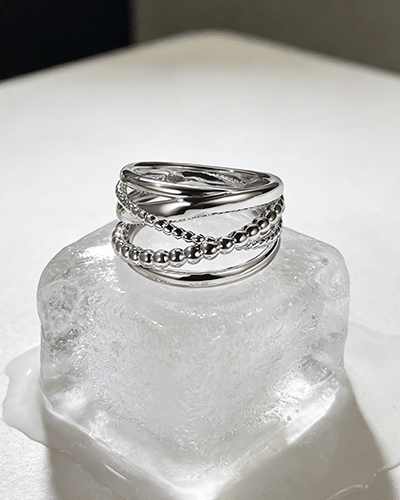
4) Ice cube test for silver (silver conducts heat fast)
This one feels like a fun trick, but it is based on real science. Silver is an excellent conductor of heat, meaning it transfers temperature quickly. That is why it feels cold almost immediately when you touch it.
Place an ice cube directly on the jewelry and watch how quickly it melts. On real silver, the ice often starts melting noticeably faster than it would on many cheaper metals.
This is not a perfect test on its own, because other metals can conduct heat too. But it becomes very useful when paired with the hallmark and magnet test.
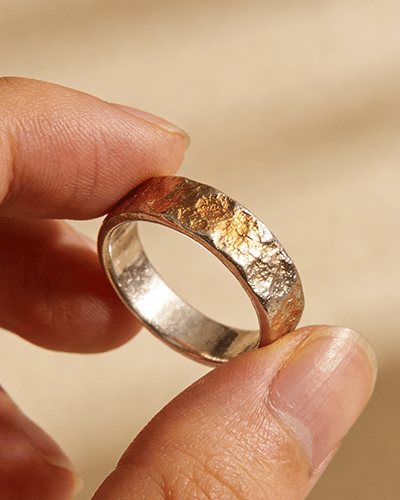
5) Inspect the piece for plating wear (the biggest red flag)
A lot of jewelry is not technically fake. It is silver-plated. That means there is a thin layer of silver on top of a cheaper metal.
Plated jewelry can look convincing at first, but it tends to reveal itself over time, especially in areas that rub against your skin or clothing. Look closely for warm-toned metal showing underneath, greenish discoloration, flaking around edges, or fading in high-contact areas.
Plating usually wears first on the underside of rings, bracelet edges, chain links near the clasp, and pendant bails. If you can clearly see a different metal underneath, it is not solid silver.
6) Listen to the sound (real silver has a cleaner ring)
This test works best on thicker pieces like rings, bangles, or heavier silver necklaces. Tap the piece gently with a coin or a key and listen to the sound.
Real silver often produces a brighter, cleaner ringing sound. Many fake metals tend to sound flatter or duller. It is not the most scientific test, but it can be surprisingly accurate once you have heard the difference a few times.
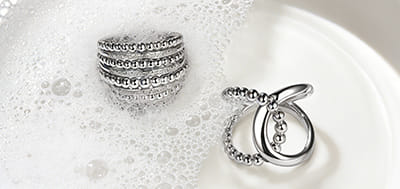
Do you want your silver to shine like new? check out our blog on How to Clean Silver Jewelry.
7) Get a Professional Test (Best Option for Valuable Pieces)
If the jewelry is valuable, sentimental, vintage, or something you want to resell, it is worth getting a professional confirmation.
A jeweler can test silver using acid tests, electronic metal testers, or XRF (X-ray Fluorescence) machines. XRF testing is one of the most accurate options and it can usually be done without damaging the piece. This gives you a real answer without relying on guesswork.
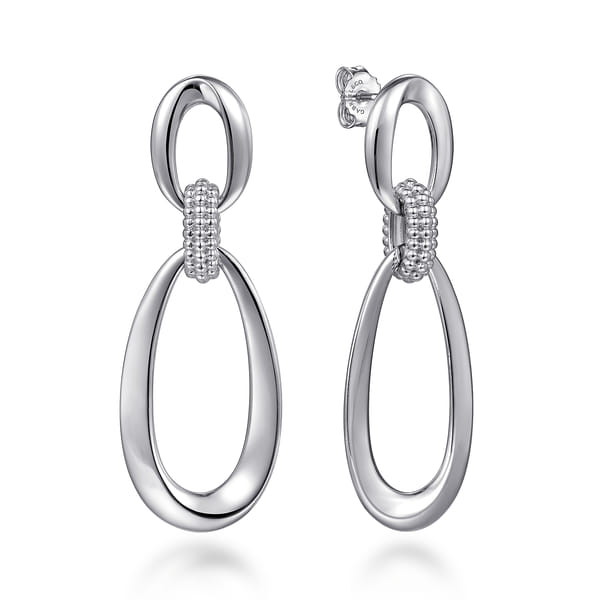
What about silver-plated jewelry?
Silver-plated jewelry can still be pretty, and it can absolutely have its place, but it is not the same as sterling silver.
Silver-plated pieces tend to wear down faster, be harder to repair, and have much lower resale value. Depending on what is underneath, they can also cause skin irritation more often than sterling silver.
If you are buying silver for everyday wear, sterling silver (925) is usually the better long-term choice.
Can fake silver tarnish?
Yes, and this is where people get fooled.
Some fake “silver” pieces are made with metals that oxidize too, so tarnish alone is not proof. That is why the smartest way to check silver is to combine a few methods instead of relying on only one.
A strong combination is the hallmark check, the magnet test, a quick cloth rub, and a close inspection for plating wear. Together, these checks give you a much clearer answer.
Silver marks people commonly misunderstand
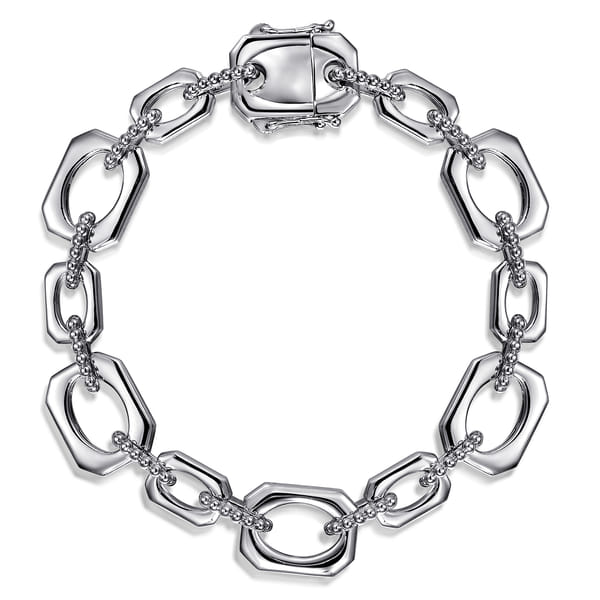
Some stamps and labels sound convincing but do not mean the piece is genuine silver.
- 925: Sterling silver.
- Nickel silver: Not silver. It is an alloy with no real silver.
- Silver tone: Not silver. It is only describing the color.
- EPNS: Electroplated nickel silver, meaning it is plated, not solid.
Final thoughts: the smart way to check silver
If you want the simplest method that actually works, start with the hallmark and the magnet test. Then inspect the piece closely for plating wear and give it a quick rub with a white cloth to see if it leaves dark marks.
If the jewelry is valuable or sentimental, it is always worth having a jeweler professionally confirm its value. That way, you get a real answer, and you avoid accidentally damaging something important with harsh DIY tests.
Because silver is easy to love, but fake silver is even easier to sell.
FAQ
Does real silver turn your finger green?
Usually no. If it does, the piece may be plated, heavily mixed with copper, or reacting with your skin chemistry. Strong green staining is often a red flag.
Is 925 silver always real?
If the stamp is legitimate, yes. But counterfeit stamps exist, which is why it is smart to test the metal too.
Can stainless steel be stamped 925?
Yes. Some fake jewelry is stamped “925” even when it is stainless steel. If it sticks strongly to a magnet, that is your biggest clue.
What is the easiest test?
The fastest, most reliable combination is the hallmark check plus the magnet test.
Can silver jewelry be real even if it does not have a 925 stamp?
Yes. Some older pieces, handmade jewelry, or items made in certain regions may not be stamped. In that case, you will want to rely on the magnet test, tarnish behavior, and a jeweler’s verification.
Does real silver stick to a magnet at all?
Pure silver is not magnetic, so it should not stick strongly. However, some silver jewelry has small non-silver components (like spring clasps or earring backs) that may react slightly, which is why testing the main body of the piece matters most.
Can real sterling silver be rhodium or ruthenium-plated?
Yes. Some sterling silver is plated with rhodium or ruthenium to keep it bright and reduce tarnish. It is still real silver underneath, but it may not tarnish as quickly, which can confuse people who expect silver to darken.
When should you stop testing and take it to a jeweler?
If the piece is valuable, sentimental, or still unclear after basic tests, a jeweler can confirm it quickly using professional methods. It is the safest option when you want a definite answer.