Good to Have You Back

Lab grown vs natural diamonds: the debate every engagement ring shopper eventually faces. Both are real diamonds, both sparkle beautifully, yet they differ in origin, value, and meaning.
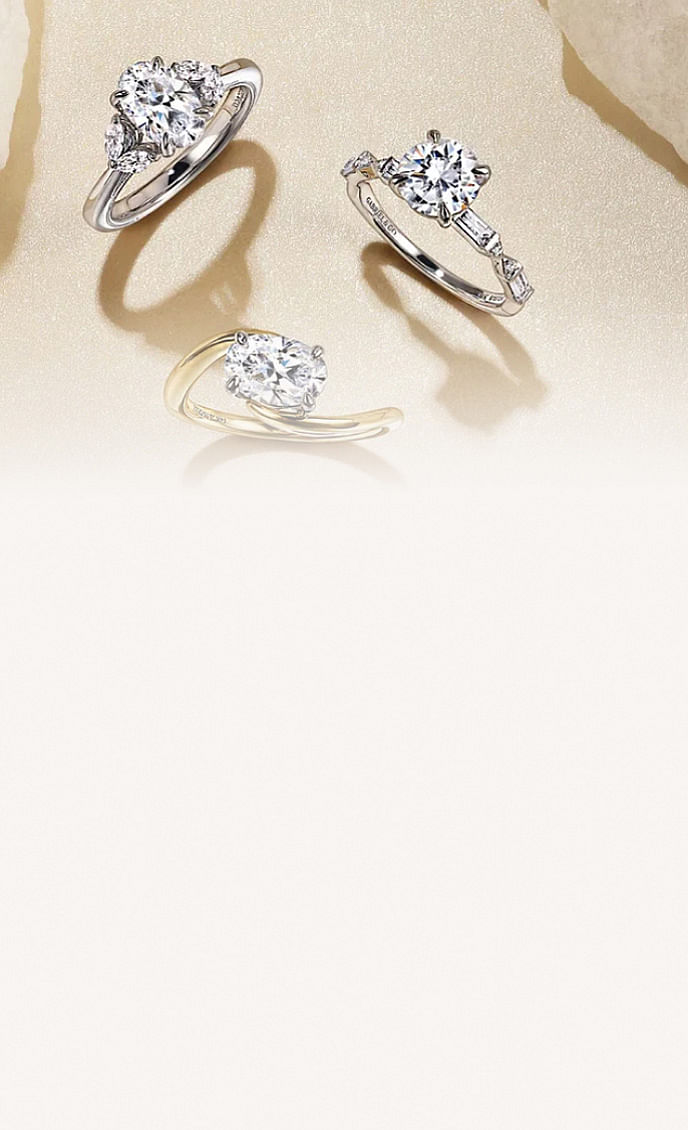
At Gabriel & Co., all our engagement rings are designed exclusively with natural, GIA-verified diamonds. Every piece comes with a Certificate of Authenticity, assuring you that your diamond is genuine. We’re rigorous about our sourcing and vetting process, carefully examining our stones to guarantee that only natural diamonds are used in our designs. Since this is one of the most common questions couples ask, here is a detailed guide to help you understand the difference between lab and natural diamonds and make an informed choice.
What Is a Lab Grown Diamond?
Lab grown diamonds, also known as lab created diamonds, are produced in modern laboratories using advanced technology that mirrors the way diamonds form in nature. They share the same chemical composition and brilliant appearance as natural diamonds, with the key difference being their origin. Isn’t it remarkable that science has advanced to the point where we can recreate one of nature’s rarest wonders?
How They’re Made
- HPHT (High Pressure High Temperature): A small diamond seed is placed in a pressurized chamber with carbon. The reactor keeps temperatures at roughly 2,000°F or higher for days or even weeks so carbon atoms can bond to the seed and a larger crystal forms. Sustaining those extreme conditions requires continuous, substantial energy and large volumes of water to cool reactors.
- CVD (Chemical Vapor Deposition): A thin diamond seed is placed in a sealed chamber filled with carbon-rich gases. When heated, the gases break down and release carbon atoms, which deposit layer by layer until a diamond grows.
For a deeper dive into how lab-grown diamonds are created and the science behind their formation, check out this article from GIA: HPHT and CVD Diamond Growth Processes.
Why Some Choose Lab Grown
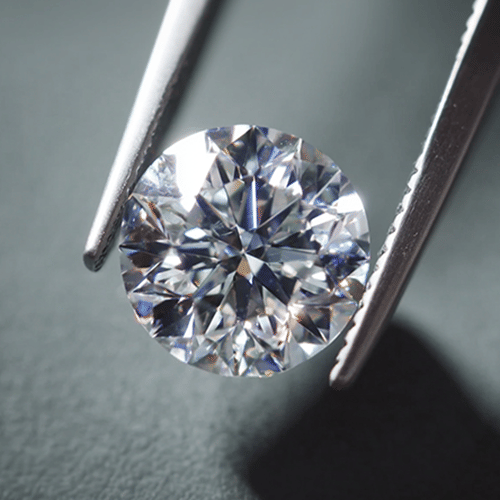
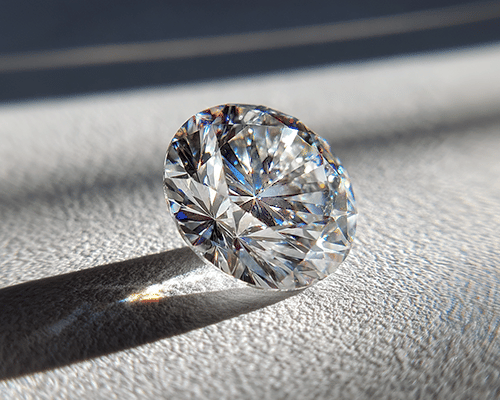
Affordability: Lab grown diamonds typically cost around 70% to 90% less than natural diamonds of comparable size and quality. For couples who prioritize budget or want a larger stone without the higher price tag, this is appealing and useful when comparing lab grown diamond vs natural diamond cost.
Quality without compromise: Because they’re grown in controlled environments, lab diamonds often achieve excellent grades in color and clarity. This means you don’t have to compromise on quality to stay within budget, and for many buyers, this is what seals the deal.
Bigger look for the budget: Because of their lower price point, lab grown diamonds make it possible to purchase a higher carat size or higher color/clarity grade than one might afford with a natural diamond. This is often a key consideration in lab vs natural diamond engagement rings.
Sustainability claims: Many lab grown diamonds are promoted as eco-friendly since they do not involve mining. However, the energy required to create them, especially through HPHT, can be considerable. Some producers now invest in renewable energy to address this concern.
What Is a Natural Diamond?
Natural diamonds are born in the heart of the earth, roughly 90 to 150 miles below the surface. Over 1 to 3 billion years, intense heat and pressure slowly transform carbon into diamonds. Volcanic eruptions carry these ancient stones closer to the surface, where they can eventually be mined. Unlike lab-grown diamonds, natural stones carry subtle traces of radiation decay, scientific markers of their incredible age and authenticity.
Why Natural Diamonds Are Special
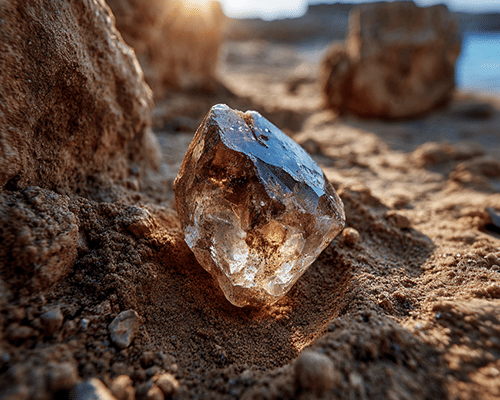
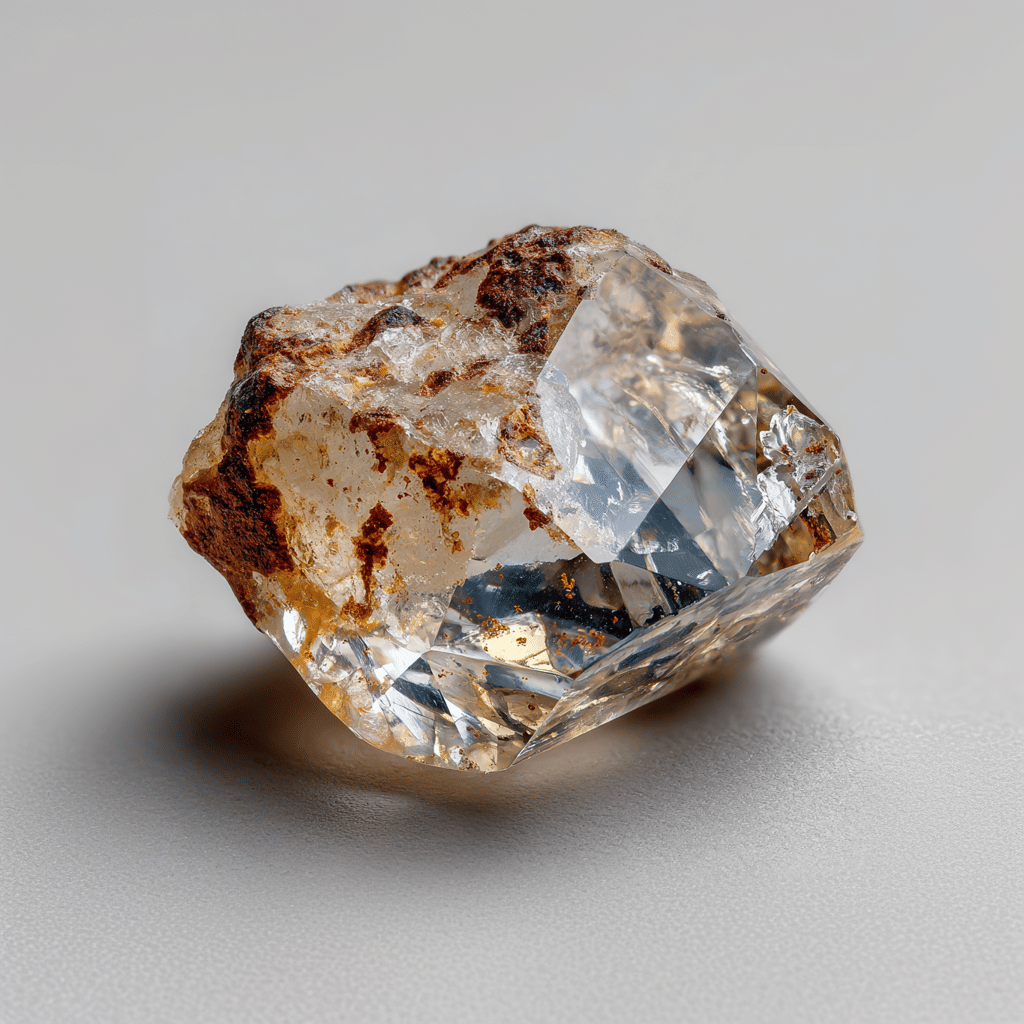
Rarity and age: Each natural diamond is a one-of-a-kind gemstone that took billions of years to form. Their rarity is not only geological but also symbolic, making them a treasured choice for engagement rings, wedding bands, and anniversary rings.
Value retention: Because of their natural origins and limited supply, natural diamonds historically retain a stronger resale value than lab grown alternatives. What sets them apart is that they retain real, lasting value, something lab grown diamonds do not. This reassures owners and naturally strengthens their connection to the stone, making them treasures to be cherished and passed down through generations
Tradition and romance: For over a century, natural diamonds have been the ultimate symbol of love and commitment. Their history is intertwined with engagement traditions worldwide, giving them emotional significance. Recent celebrity engagements, such as those of Taylor Swift and Travis Kelce, Selena Gomez and Benny Blanco, and Cristiano Ronaldo and Georgina Rodríguez, all reaffirm this tradition by choosing natural diamonds.
Emotional connection: Many couples feel that a diamond formed by nature carries a deeper story than one created in a lab. A natural diamond reflects permanence and continuity, a reflection of the couple's journey.
If you love the elegance of a single sparkling stone, explore our solitaire engagement rings for a clean, brilliant look.
Lab Grown Diamond vs. Natural Diamond Cost
The biggest distinction between the two types of diamonds is price.
- Melee Diamonds (under 0.10 carat): Lab-grown melee diamonds are typically 20–30% less expensive than natural melee diamonds. Because this gap is relatively modest, especially for stones often used in mountings, couples often choose natural melee to add value to their ring.
- Center Diamonds (0.50 carat and larger): Lab-grown center diamonds can be 70 to 90% less expensive than their natural counterparts. However, because they are man-made and widely available, they have virtually no resale value.
Natural diamonds are more expensive because of rarity and demand. They hold stronger value over time and are more likely to be cherished as heirlooms.
Environmental and Ethical Factors
Lab grown diamonds are often promoted as sustainable since they don’t involve traditional mining. However, their production requires substantial energy, often sourced from non-renewable power.
Natural diamonds, when responsibly sourced, support communities around the world through jobs, education, and healthcare. Organizations like Diamonds Do Good highlight the positive impact the diamond industry has in improving lives and building stronger communities.
For more on the natural diamond industry, visit the Natural Diamond Council’s Learning Center.
Detection: How Experts Tell Them Apart
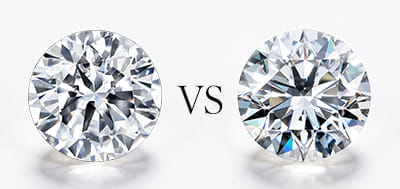
To the naked eye, lab-grown and natural diamonds look virtually identical. But gemologists can reliably determine a diamond’s origin using specialized techniques.
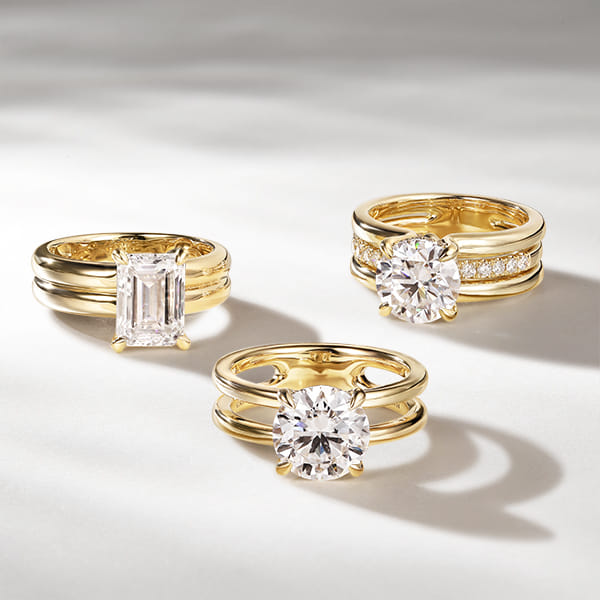
It’s a common misconception that lab-grown and natural diamonds are truly identical. While they share the same chemical composition and brilliance, their inner structure tells a different story.
Natural diamonds form deep within the earth over millions of years, leaving behind irregular growth patterns. Lab-grown diamonds, created in just weeks, often show layered or geometric growth patterns that reflect their rapid, controlled formation. These subtle differences, invisible to the eye, are what gemologists use to tell them apart.
Techniques like fluorescence checks, imaging, and specialized spectroscopy help gemologists determine a diamond’s origin fairly easily. For buyers, the most reliable assurance comes from trusted grading reports issued by organizations such as GIA, which clearly state whether a diamond is natural or lab-grown.
Which Should You Choose?
Both lab grown and natural diamonds sparkle with undeniable beauty, yet the stories they tell are very different. Lab grown diamonds often appeal to couples drawn to size and affordability; a modern choice that offers brilliance without stretching the budget. Natural diamonds, on the other hand, speak to those who want more than sparkle alone. They carry the weight of history, the rarity of nature, and the kind of meaning that makes them treasured for a lifetime.
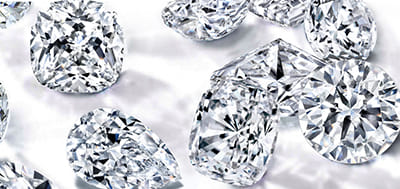
Not sure which cut suits your style? Our guide to diamond shapes helps you discover the perfect sparkle for your engagement ring.
FAQs
What is the difference between lab grown and natural diamonds?
The key difference is origin. Natural diamonds form deep within the earth over billions of years, while lab-grown diamonds are created in laboratories within weeks. They share the same chemical composition and brilliance, but their internal structures differ, with natural diamonds showing organic growth patterns and lab-grown stones revealing layered growth from their man-made process.
Are lab grown diamonds real diamonds?
Yes, lab grown diamonds are real diamonds. They have the same crystal structure, hardness, and brilliance as natural diamonds. The only difference is that one is created by nature and the other by technology.
Do lab grown diamonds look the same as natural diamonds?
To the naked eye, lab grown and natural diamonds look virtually identical. Both sparkle in the same way and have the same physical and optical properties. Specialized equipment, however, can detect subtle differences in their growth patterns.
Which is more expensive: lab grown or natural diamonds?
Natural diamonds are more expensive because of their rarity and the billions of years it takes for them to form. Lab grown diamonds typically cost 30–50% less for the same size and quality, but they do not retain value in the same way.
Do lab grown diamonds have resale value?
Lab grown diamonds generally have little to no resale value. As production increases and prices continue to drop, their market demand is uncertain. In contrast, natural diamonds tend to hold stronger long-term value and desirability.
Are lab grown diamonds more sustainable than natural diamonds?
Lab grown diamonds are often marketed as sustainable since they avoid traditional mining, but the process still requires large amounts of energy, often from non-renewable sources. Responsibly sourced natural diamonds contribute to jobs and communities worldwide, and industry initiatives like the Kimberley Process ensure they’re conflict-free.
Can jewelers tell the difference between lab grown and natural diamonds?
Most jewelers cannot distinguish lab-grown from natural diamonds by sight alone, since they look virtually identical to the eye. However, with specialized gemological tools, it is fairly straightforward to identify their origin, as lab-grown diamonds reveal growth patterns and inclusions that differ from those found in natural stones.
Which is better for an engagement ring: lab grown or natural diamond?
That depends on priorities. Lab grown diamonds are attractive for size and affordability. Natural diamonds offer rarity, tradition, and long-term value, making them the preferred choice for many couples who want an enduring symbol of love.