Good to Have You Back

If you’ve ever noticed tiny letters or symbols stamped inside a ring or near a necklace clasp, you’ve already seen maker’s mark identification symbols stamped on jewelry. These small engravings might look insignificant, but they actually tell you a lot about a piece.
Jewelry stamps can reveal who made the piece, what metal it contains, and sometimes even where it was produced. Once you know how to read them, they become one of the easiest ways to understand what you’re holding in your hands.
What Are Maker’s Mark Identification Symbols on Jewelry?
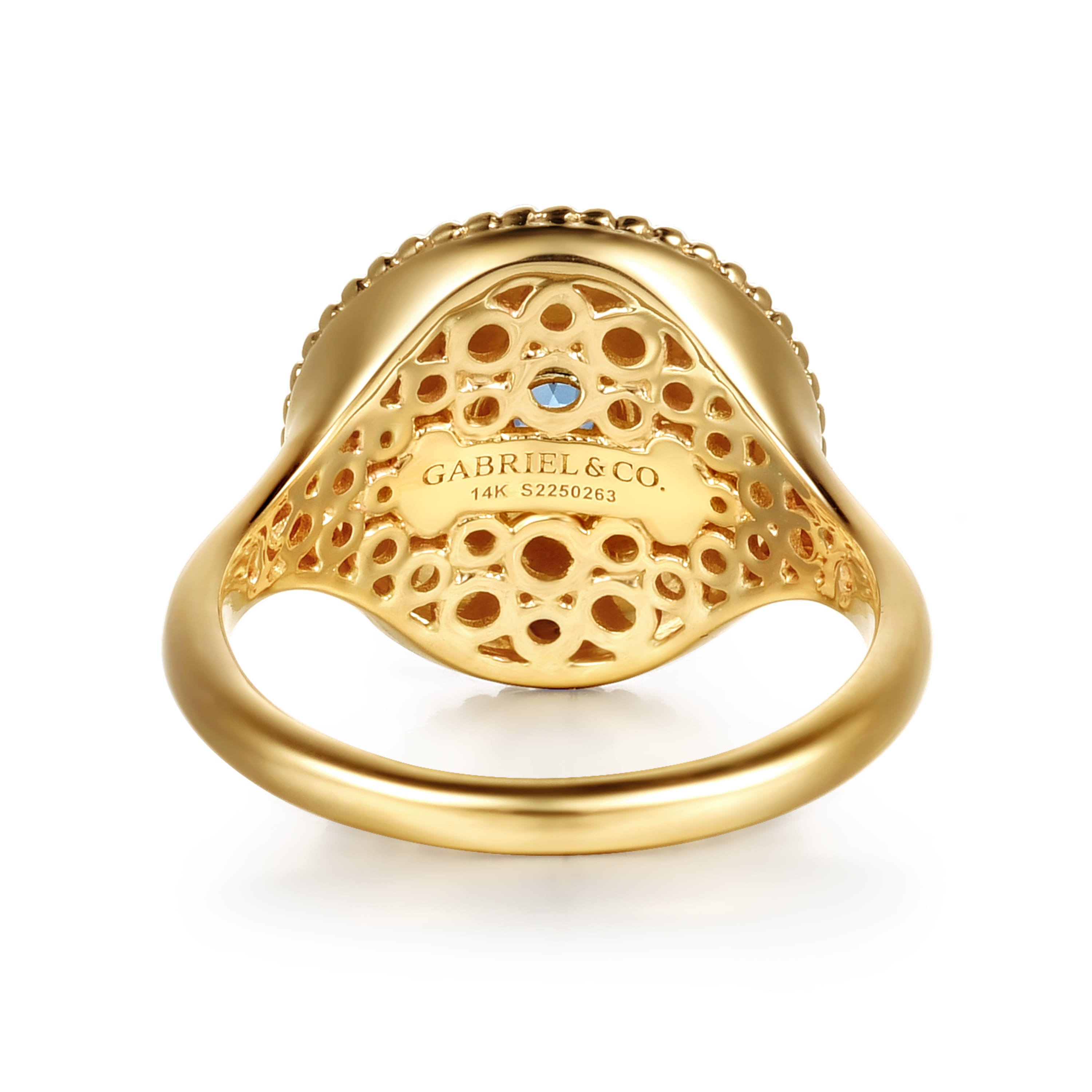
A maker’s mark is essentially the signature of the person or company that created the jewelry. It usually appears as a logo, initials, or a small symbol stamped into the metal.
Jewelry brands stamp their pieces for identification and accountability. If a ring, necklace, or bracelet carries a specific mark, it can be traced back to the brand or workshop responsible for making it.
It’s also helpful to understand that not all jewelry stamps mean the same thing. Here’s a breakdown:
Maker’s Marks vs Hallmarks: What’s the Difference?
| Type of mark | What it indicates | Example |
| Maker’s mark | Identifies the jeweler, brand, or manufacturer who created the piece. It functions like a signature stamped onto the jewelry. | Brand initials, logos, or unique symbols |
| Assay hallmark | An official mark applied by an authorized assay office to confirm that the metal meets regulated purity standards. | Government or assay office symbols |
| Metal purity stamp | These are common in countries with hallmarking systems. Indicates the composition of the metal used in the jewelry. These stamps show the percentage of precious metal in the alloy. |
14K, 18K, 925, 950 |
Why Jewelry Pieces Have Symbols Stamped on Them
Jewelry stamps exist to provide information about a piece without affecting its design. Those tiny marks can tell you who made it, what it’s made from, and sometimes where it came from.
Jewelry Brand or Manufacturer
The maker’s mark connects the piece to the brand or manufacturer that produced it. Some companies use initials, while others use small logos or distinctive symbols that function like a trademark.
Metal Purity (Gold, Silver, Platinum)
One of the most common reasons jewelry is stamped is to indicate metal purity. Precious metals are rarely used in completely pure form, so stamps show the percentage of the metal in the alloy.
For example, a 14K stamp indicates that the piece contains 58.5 percent gold, while 925 tells you the piece is sterling silver.
Designer Identification
Some jewelry collections also include the designer’s signature or initials. This is especially common in designer jewelry lines and limited collections.
Country of Origin
In some regions, stamps may indicate where the jewelry was manufactured or officially tested for metal purity.
Because jewelry stamps are small, they are placed in areas that stay discreet but are still accessible. Here’s how to find them:
Where Maker’s Marks Are Usually Stamped on Jewelry
Because jewelry stamps are small, they are placed in areas that stay discreet but are still accessible. Here’s how to find them:
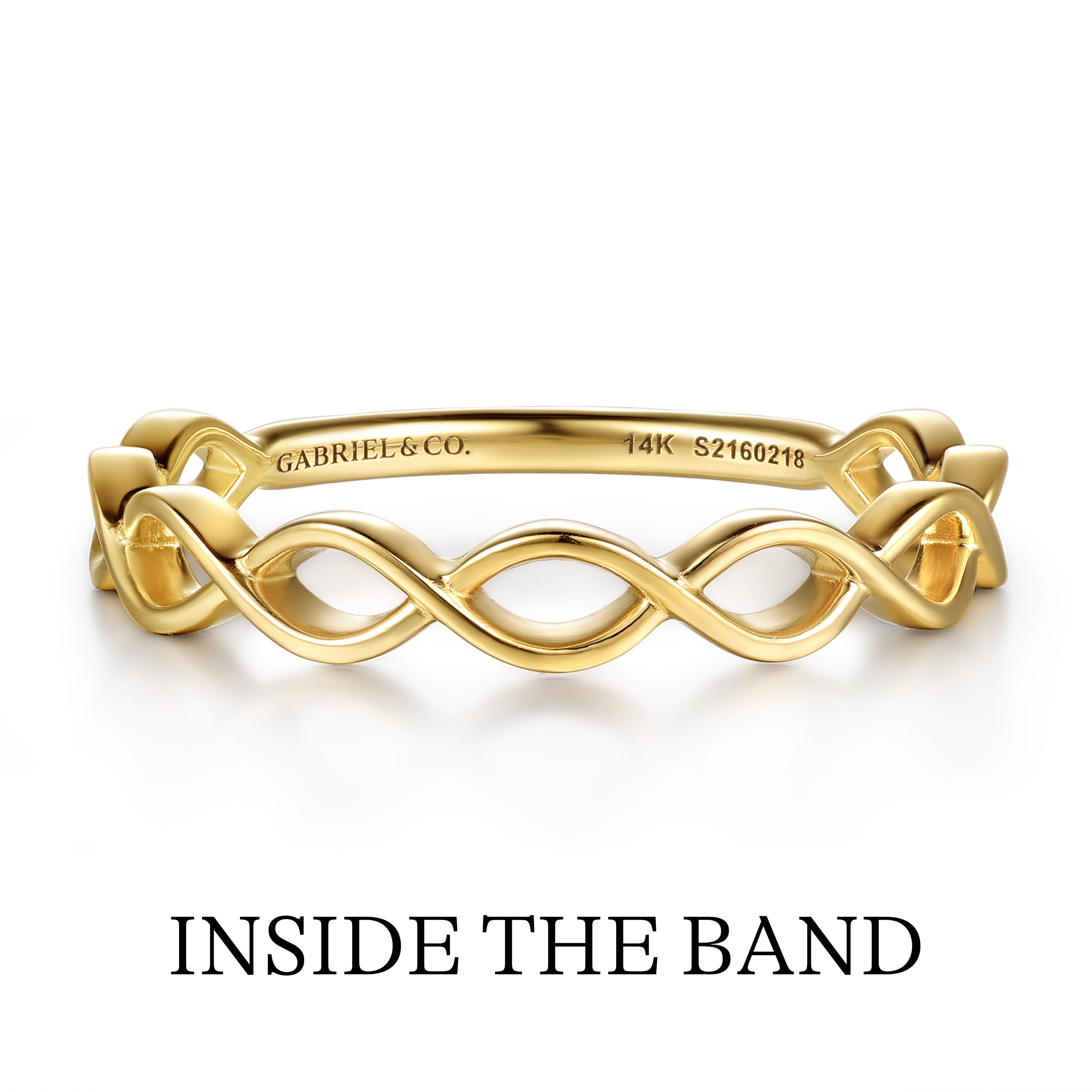
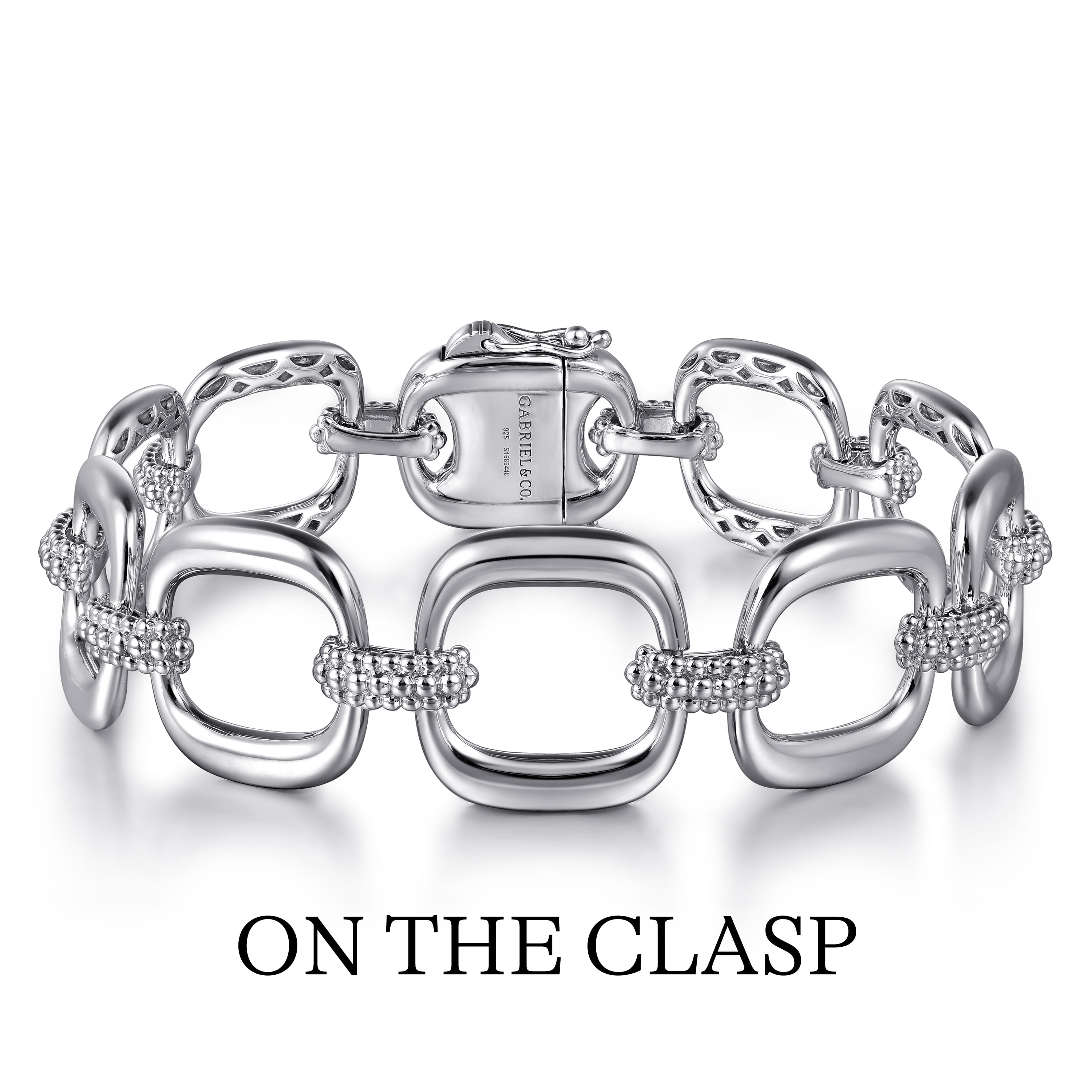
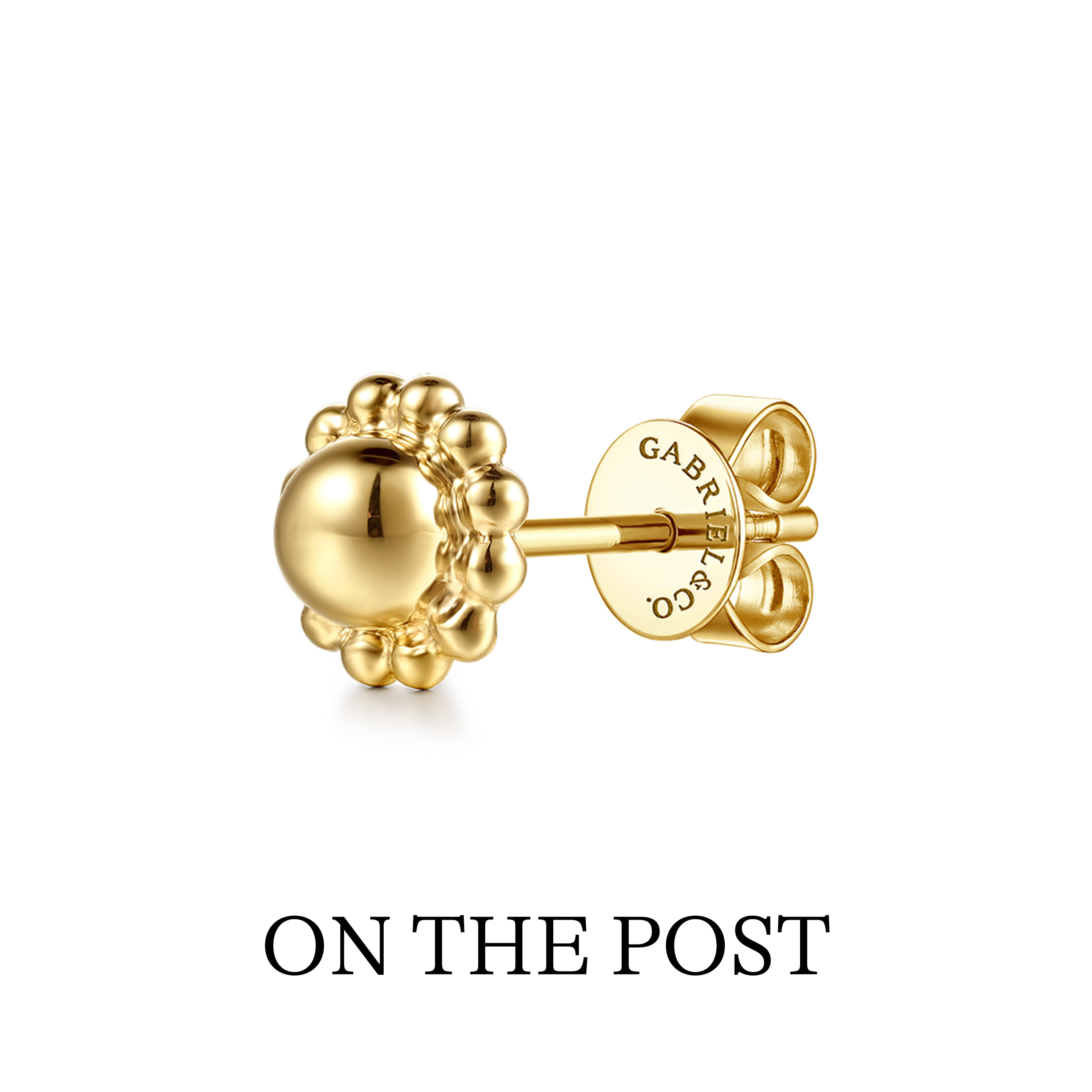
Rings
On rings, maker’s marks are usually stamped inside the band. This keeps the mark protected while still making it easy to inspect.
Necklaces and Pendants
Necklaces often carry stamps near the clasp or on a small tag attached to the chain. Pendants may also have a stamp on the back.
Bracelets
Bracelets typically feature stamps on the clasp, hinge, or a small tag connected to the chain.
Earrings
Earrings commonly carry their stamps on the post, the back of the earring, or the closure mechanism, depending on the style.
Common Jewelry Stamp Symbols And What They Mean
If you start examining your jewelry closely, you’ll quickly notice that certain stamps appear again and again. Most of these jewelry hallmark symbols relate to metal purity, but others may identify the maker or provide additional manufacturing information.
Gold Jewelry Stamp Meaning (10K, 14K, 18K, 24K)
Gold jewelry is commonly marked using karat numbers. These numbers indicate how much pure gold is present in the metal.
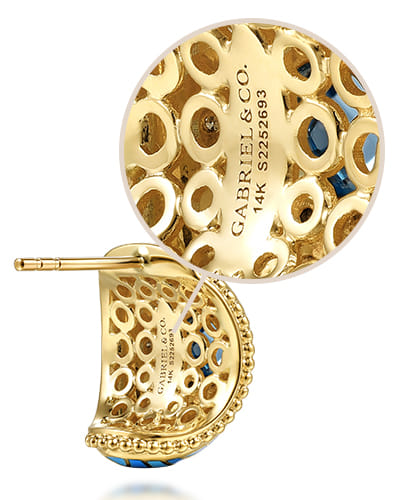
10K – 41.7% pure gold
14K – 58.5% pure gold
18K – 75% pure gold
24K – Pure gold
You may also see numerical purity stamps instead of karats. These represent the same information using a parts-per-thousand system:
417 = 10K gold
585 = 14K gold
750 = 18K gold
999 = nearly pure gold
Sometimes gold pieces include additional markings such as GP (gold plated) or GF (gold filled), which indicate that the jewelry contains a layer of gold over another metal rather than being solid gold.
Silver Jewelry Stamps (925, Sterling)
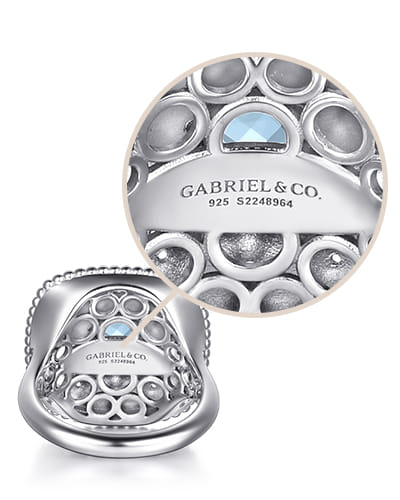
The most widely recognized silver stamp is 925, which stands for sterling silver. Sterling silver jewelry contains 92.5 percent pure silver, with the remaining portion made up of strengthening metals.
You might also see stamps such as:
- Sterling
- Ster
- STG
- 925 Italy or 925 Mexico
For a deeper dive into sterling silver hallmarks and the history behind them, read our dedicated post.
Platinum Jewelry Stamps (PT, Plat, 950)
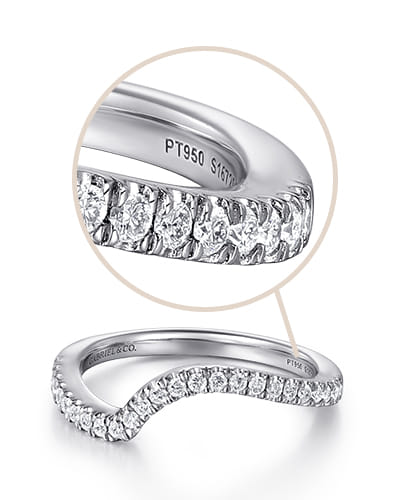
Platinum is heavily used in engagement rings and wedding bands because of its durability, density, and naturally white color. It holds diamonds very securely, which is why it’s a preferred metal for bridal jewelry. Platinum jewelry usually includes stamps such as:
- PT
- Plat
- PT950 or 950 Plat
A 950 stamp indicates that the piece contains 95 percent platinum, which is the standard purity for most platinum jewelry. Learn more about platinum in jewelry in our guide.
Other Jewelry Markings and Symbols
Beyond metal purity stamps, jewelry can include a variety of other marks that provide additional information. These may include:
- Maker’s logos or initials identifying the brand
- Copyright or trademark symbols used by jewelry houses
- Patent numbers connected to specific designs
- Country-of-origin stamps
- Production or serial numbers
How to Identify a Maker’s Mark on Jewelry
If you want to identify who made a piece of jewelry, the process usually starts with a close inspection.
Examine the Stamp Closely
Maker’s marks are often very small. Using a magnifying glass or jeweler’s loupe makes it much easier to read the symbol clearly.
Compare with Jewelry Mark Databases
There are several online hallmark databases and collector guides that catalog thousands of jewelry marks. Comparing the symbol with these references can often reveal the manufacturer.
Look for Brand Signatures
Many jewelry houses use recognizable logos or initials. Once you know the brand’s signature, spotting it becomes much easier.
Consult a Professional Jeweler
If the mark is difficult to identify, a jeweler or appraiser can often recognize it or confirm the metal using professional testing tools.
Can Maker’s Marks Help Determine Jewelry Authenticity?
Yes, maker’s marks can offer important clues when evaluating authenticity.
Recognizable marks can confirm that a piece belongs to a particular jewelry house or designer. When paired with metal purity stamps, they also help verify that the piece is made from genuine precious metals.
For example, stamps such as 14K, 18K, or 925 indicate the metal content; however, understanding how to confirm authenticity may require a closer examination. If you want to go deeper, our guides on how to tell if gold jewelry is real and how to know if silver jewelry is real explain the tests and signs to look for.
How to Identify Vintage and Antique Jewelry Maker’s Marks
Older jewelry often carries marks that differ from modern stamps.
Vintage and antique pieces may include historical maker’s marks, regional hallmarks, or symbols that were used during specific time periods. For example, Victorian and Edwardian jewelry from the United Kingdom often carries a full set of hallmarks that may include the maker’s mark, a metal purity stamp, an assay office symbol, and a date letter identifying the year the piece was tested.
A British gold ring from the late 19th century, for instance, might show a crown symbol for gold, a leopard’s head indicating the London assay office, and a letter stamp corresponding to the exact year of hallmarking.
French antique jewelry frequently uses the eagle’s head hallmark, which has been used since the 19th century to indicate 18K gold. Older French silver pieces may carry the Minerva head, another official hallmark used to certify silver purity.
Collectors and jewelers often rely on hallmark charts and antique jewelry reference guides to interpret these symbols. When a mark can be matched to a specific era, assay office, or manufacturer, it can reveal valuable clues about when and where the piece was made.
Final Thoughts
Maker’s marks may be small, but they carry meaning. They reveal clues about the metal, the maker, and the journey behind a piece of jewelry.
At Gabriel & Co., that story continues long after a piece leaves the workshop. Our designs, crafted in 14K and 18K gold, sterling silver, and platinum, are engraved with a unique serial number that helps trace your piece back to you. Each one also comes with a Certificate of Authenticity, adding another layer to the story it carries.
Explore our fine jewelry collection to find pieces made with that same attention to detail and lasting connection.
FAQs
What is a maker’s mark on jewelry?
A maker’s mark is a small symbol, logo, or set of initials stamped onto jewelry to identify the brand or craftsperson who created it. It functions like a signature and is usually placed inside a ring band, near a clasp, or on the back of a piece.
What do symbols stamped on jewelry mean?
Symbols on jewelry usually indicate the manufacturer, the metal type, or the metal purity. For example, 14K refers to gold purity, while 925 indicates sterling silver.
How can you identify a maker’s mark on jewelry?
Examine the mark closely with a magnifying glass or jeweler’s loupe. You can then compare the symbol with jewelry hallmark databases or brand archives. A professional jeweler can also help identify unfamiliar marks.
Are maker’s marks the same as jewelry hallmarks?
No. A maker’s mark identifies the manufacturer, while a hallmark is an official stamp used in some countries to certify metal purity.
What information can jewelry stamps reveal?
Jewelry stamps can indicate the brand, the metal type, and the metal purity. In some cases, they may also provide clues about the country of origin or the era in which the piece was made.
Do all jewelry pieces have maker’s marks?
Not all pieces carry maker’s marks. Some older jewelry, smaller manufacturers, or very delicate pieces may not include them.
How can you identify vintage jewelry maker’s marks?
Vintage marks are often identified by comparing them with hallmark charts and antique jewelry reference guides. Matching a mark to a known manufacturer can help determine the piece’s origin and age.
Can maker’s marks help determine the authenticity of jewelry?
Maker’s marks can help confirm a brand or manufacturer, but they should be considered alongside metal stamps, craftsmanship, and professional evaluation when authenticity matters.