Good to Have You Back

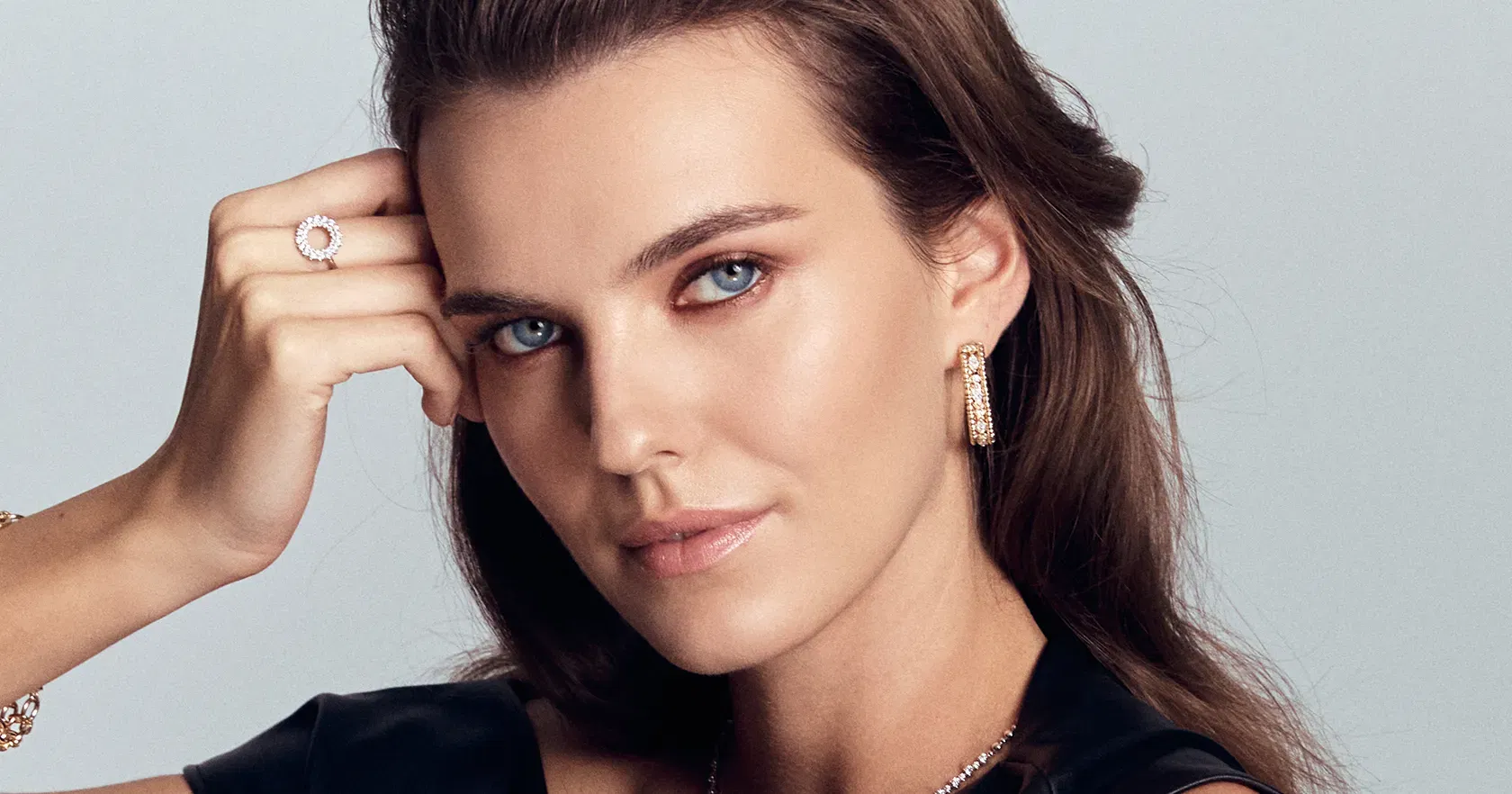
Hoop earrings are circular or semi-circular earrings that pass through the ear and close into a loop. They can sit close to the earlobe or extend outward with more presence, depending on their size and thickness.
That’s the technical definition.
In practice, hoop earrings do something very specific: they frame the face without feeling fixed. Unlike studs that stay in place, hoops move slightly, catch light differently, and shift depending on how you wear your hair or turn your head. That movement is what makes them feel alive rather than just placed.
Different Types of Hoop Earrings
Small Hoop Earrings
Small hoop earrings sit close to the ear and don’t ask for attention. They’re the kind you put on without thinking, and somehow they always make sense.
Medium Hoop Earrings
This is where things start to shift. Medium hoops are noticeable, but they don’t take over. They work when you want the earrings to be part of the look—not the whole conversation.
Large Hoop Earrings
Big hoop earrings don’t blend in. They define the space around your face and add movement that you can actually see. Everything else tends to adjust around them.
Huggie Hoop Earrings
Huggie hoop earrings stay tight to the earlobe, almost like a continuation of it. They’re often worn in multiples, which changes the focus from a single piece to the overall composition.
Chunky Hoop Earrings
Chunky hoops are less about size and more about weight. Even when they’re small, they feel intentional. The thickness gives them presence before the diameter does.
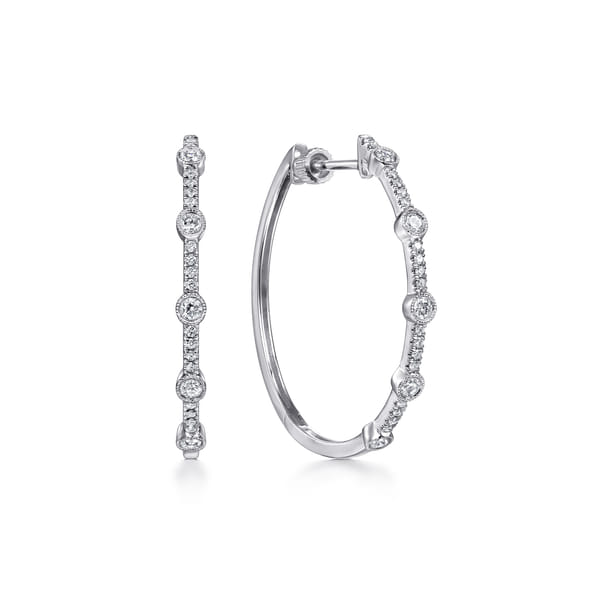
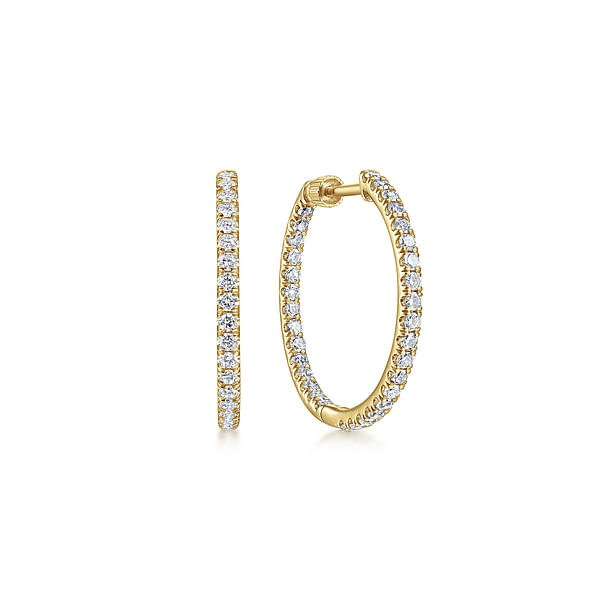
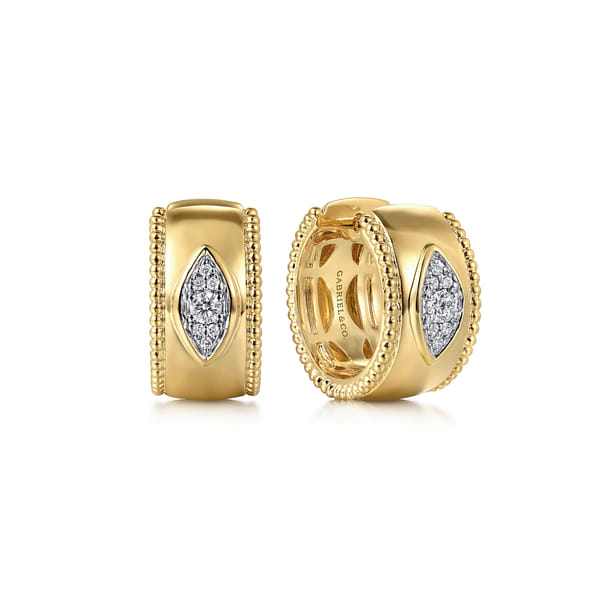
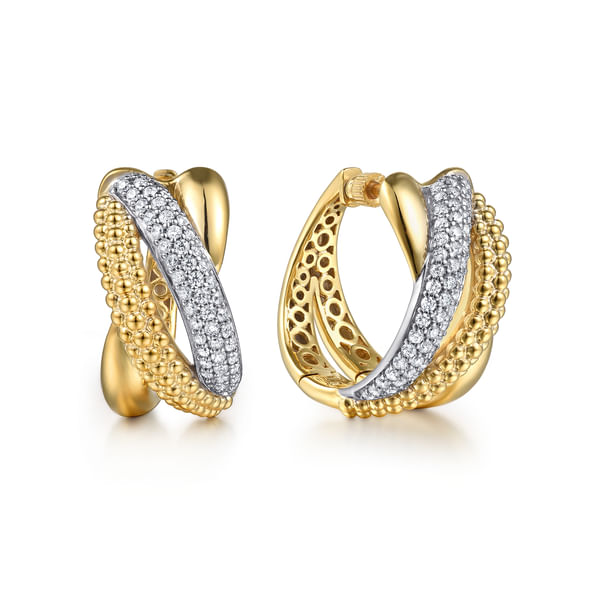
Hoop Earrings Sizes Explained
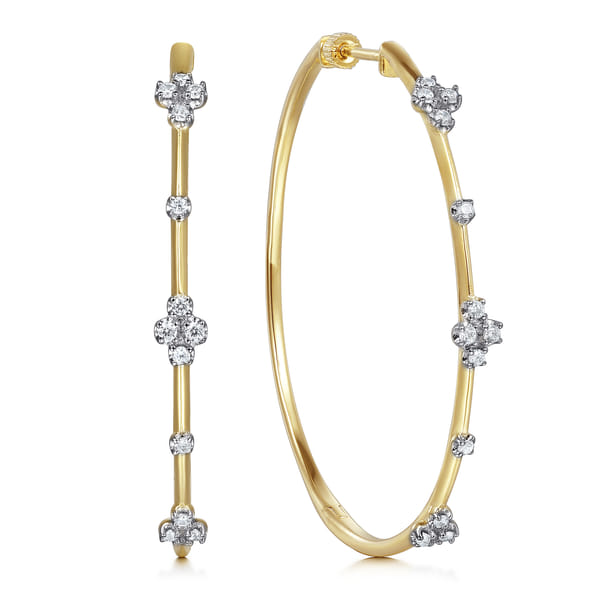
Hoop earrings are measured by diameter in millimeters, but what that really translates to is how far they sit from your ear.
- 10–15 mm: close-fitting, subtle, often huggies
- 20–30 mm: balanced, easy to wear daily
- 40 mm and above: more visible, more movement
There’s no “correct” size. It’s more about how much space you want them to take up.
What Do Hoop Earrings Symbolize?
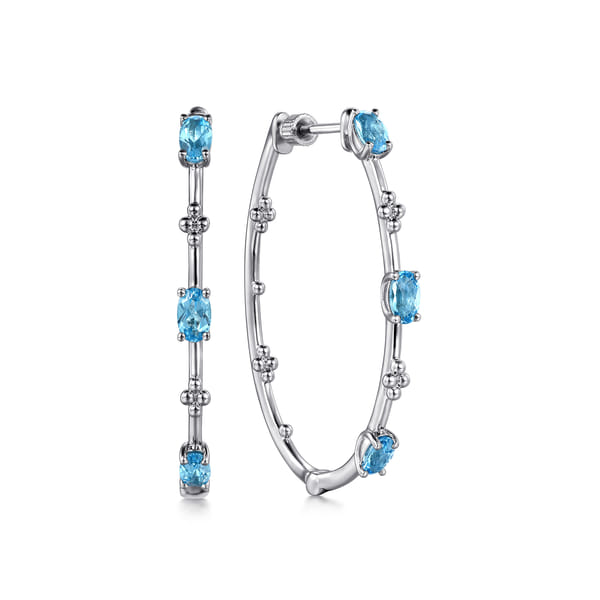
Hoop earrings have existed across different cultures for centuries, which is why they don’t feel tied to a single meaning.
Today, they’re less about symbolism and more about attitude. The same pair can feel understated or assertive depending on how it’s worn. Some people wear them as a default. Others use them to anchor a look.
How to Style Hoop Earrings
Hoop earrings don’t just “go with everything.” They shape how a look comes together. Start by deciding what you want them to do.
To build a layered ear intentionally
Start with a huggie or small hoop at the lobe, then move slightly larger as you go up. Keeping the progression gradual makes the stack feel considered rather than random.
For example, you might pair a beaded hoop at the lobe with a small stud earring in the second piercing, then add a delicate ear cuff along the upper ear. Another approach is a classic diamond stud at the base, a slim huggie above it, and a slightly more defined hoop or cuff to finish the stack. The idea is to let each piece build on the next without competing for attention. For more ideas on how to stack earrings, check out our dedicated blog.
To keep things sharp and controlled
Go for smaller or medium hoops with a thinner profile. They stay close to the ear and don’t interrupt clean lines. This works especially well with tailored pieces, structured blazers, or anything with a defined neckline.
To soften a structured outfit
A slightly larger lightweight hoop earrings or a rounder, fuller shape breaks the rigidity. If your outfit feels too precise, hoops can loosen it without making it look undone.
To create presence without layering
Choose thicker or chunkier hoops instead of adding more jewelry. One solid pair will carry more weight visually than stacking multiple delicate pieces.
To frame the face
Hair matters more than people think. With hair pulled back, hoops define the outline of your face more clearly. With hair down, especially if it has volume, you’ll need slightly larger hoops so they don’t disappear.
To avoid visual clutter
If the hoop is large or thick, skip heavy necklaces. Let the earrings carry the look. If the hoops are minimal, you have more room to add other pieces.
How to Choose the Right Hoop Earrings
Start with how visible you want them to be, then refine from there. The right pair depends on how the hoops interact with your features and your outfit.
Hoop earrings for different face shapes
Hoops can either echo or offset your features.
- Round faces benefit from slightly elongated or larger hoops
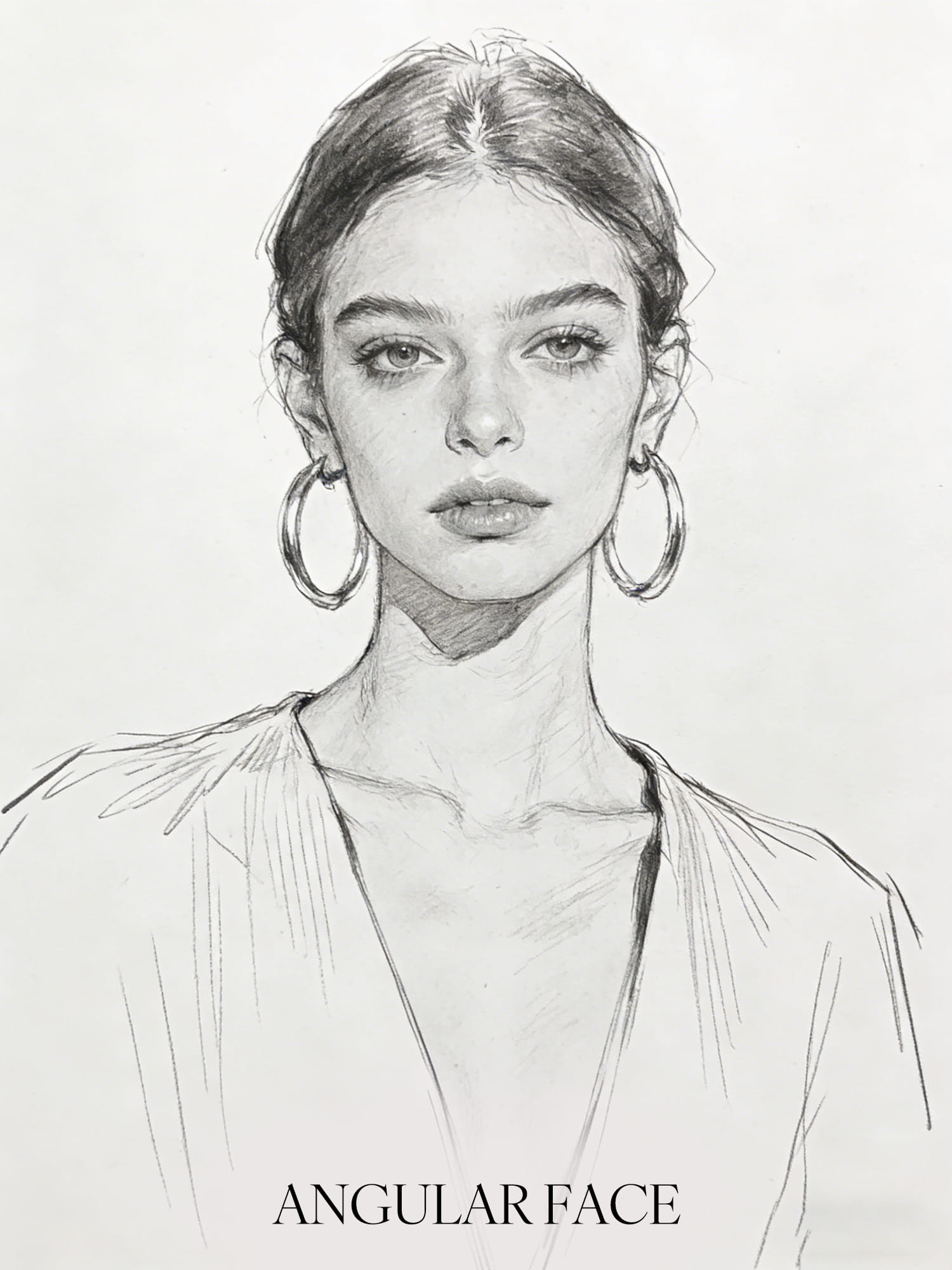
- Angular faces soften with fuller, more rounded shapes
- Smaller faces usually need more proportion control to avoid being overwhelmed
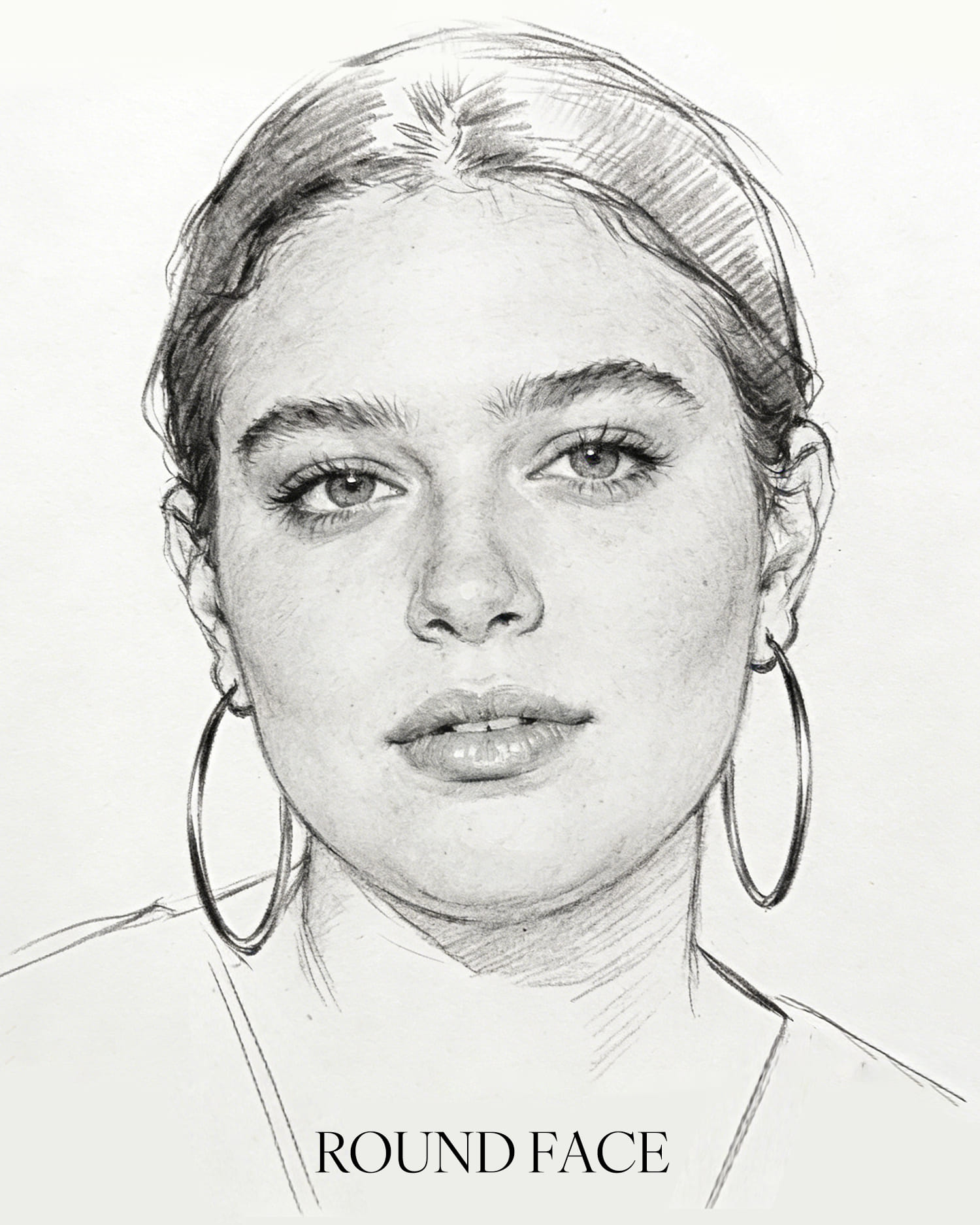
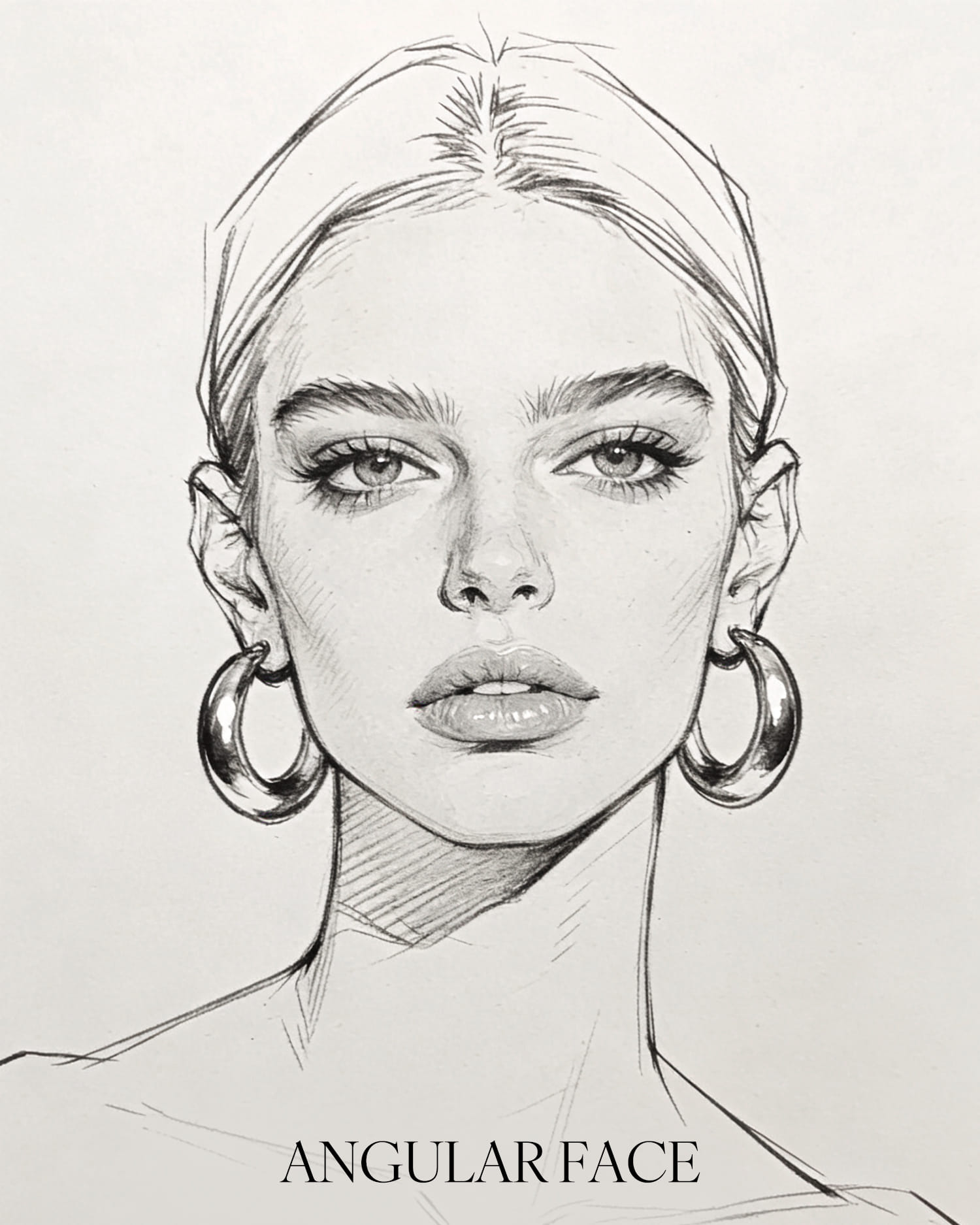
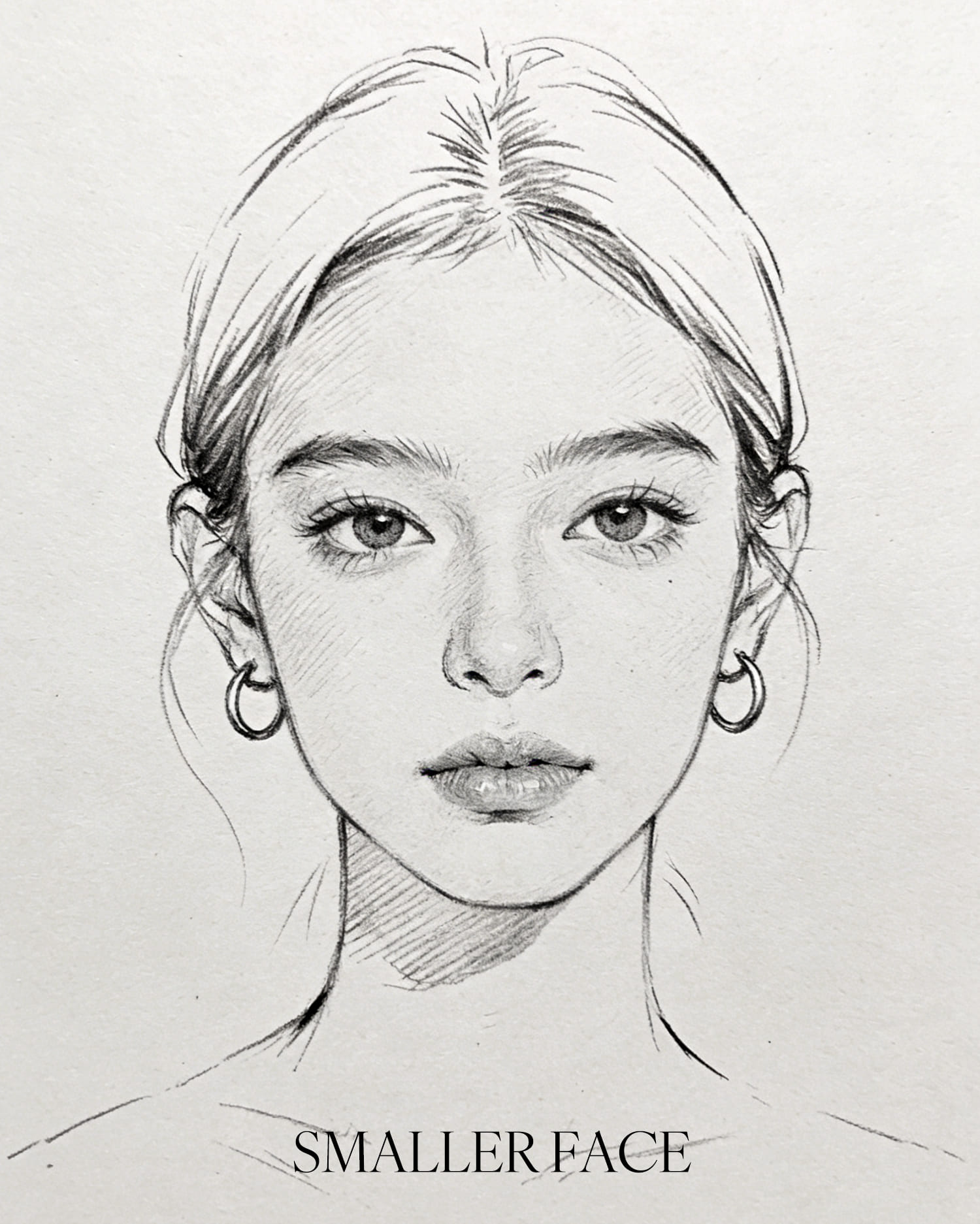
Hoop earrings for different necklines
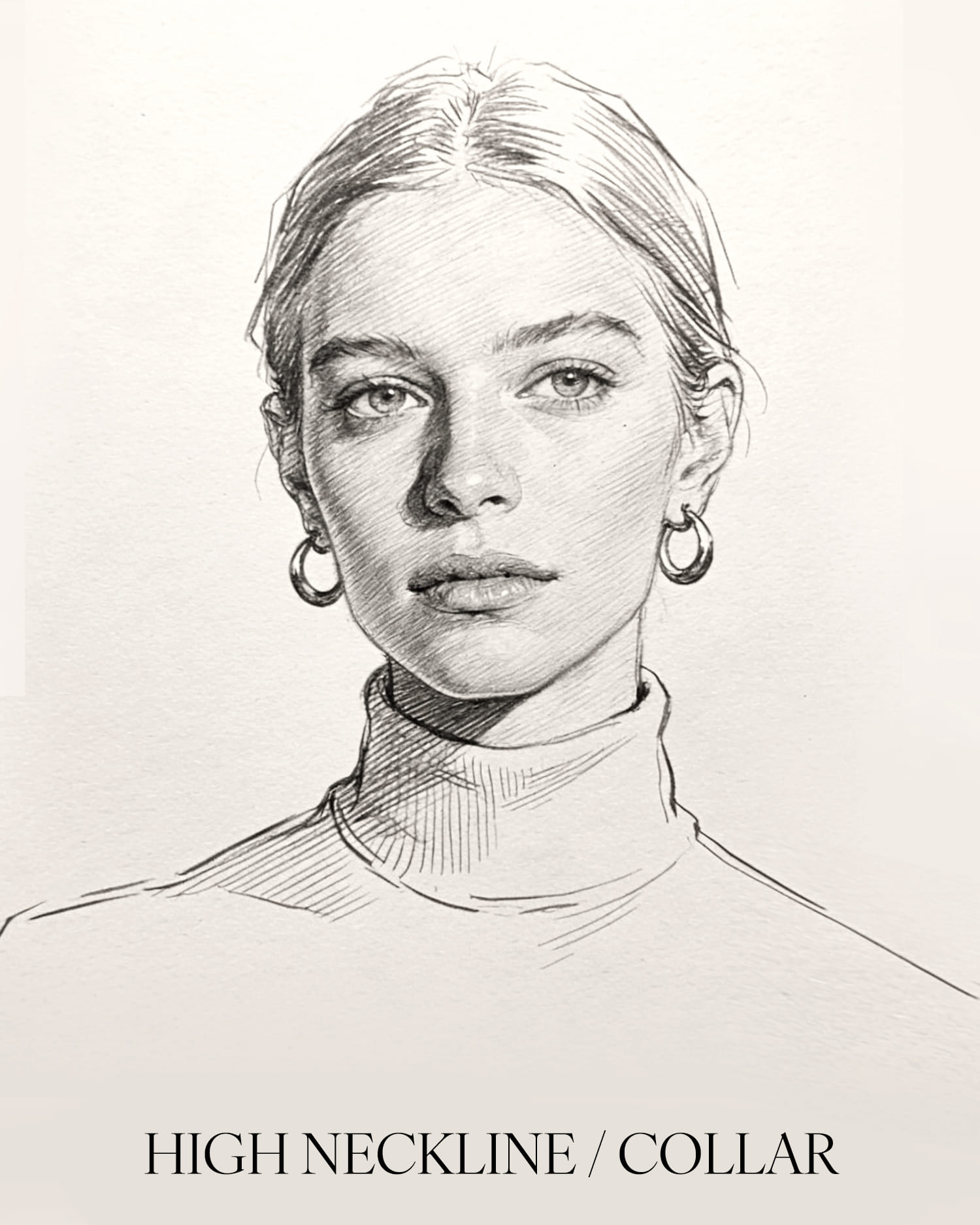
- High necklines or collars work better with smaller to medium hoops.
- Open necklines create space, allowing larger hoops to sit naturally.
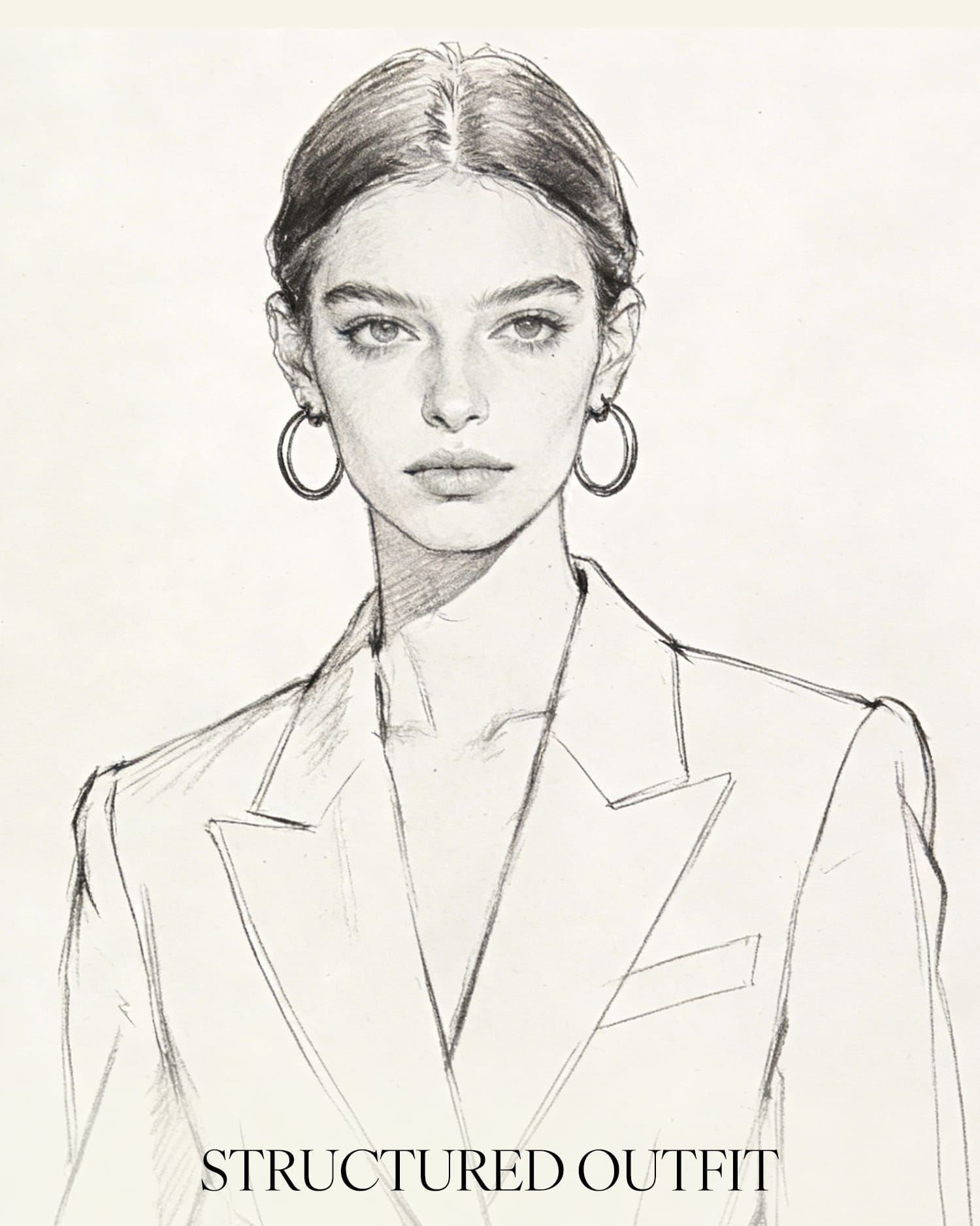
- Structured outfits pair well with controlled sizes, while relaxed looks can handle more movement.
Hair
With hair pulled back, hoops become more defined. With hair down, especially if it has volume, smaller hoops can disappear, so sizing up slightly helps.
Thickness vs size
Diameter sets the scale, but thickness sets the tone. Thin hoops feel lighter. Thicker hoops feel more intentional, even at the same size.
If you’re wondering how other earring styles affect the way your face is perceived, explore our guide on How to Find the Perfect Earrings for Your Face Shape.
Hoop Earrings vs Stud Earrings
The difference isn’t just in the form; it’s how each style interacts with your face, your outfit, and the rest of your jewelry.
Stud earrings sit directly on the earlobe and stay contained. They concentrate attention on a single point, which makes them useful when you want the focus to stay tight and controlled. They work well with detailed necklines, layered necklaces, or when other elements in your look already carry enough visual weight.
Hoop earrings extend beyond the ear and create a visible outline. Instead of concentrating attention, they distribute it. That shift changes proportions. Hoops can frame the face, soften angles, or add structure depending on their size and thickness.
There’s also a difference in how they “finish” a look.
Studs tend to disappear into the overall styling. They support what you’re wearing without redirecting it. Hoops, even in smaller sizes, always introduce a shape. They don’t just sit there, they define space around the ear.
From a styling perspective:
- Choose studs when your outfit, neckline, or other jewelry is already doing the work
- Choose hoops when you want the earrings to influence the silhouette and add dimension
Final Thoughts
Hoop earrings are simple in structure but flexible in how they’re worn. Size, thickness, and styling choices are what shift the outcome. Once you understand that, finding the right pair becomes less about rules and more about the effect you’re after.
FAQs
What are hoop earrings?
Hoop earrings are circular or semi-circular earrings that pass through the ear and close into a loop, creating a continuous shape around the earlobe.
What are the different types of hoop earrings?
Hoop earrings come in a range of styles including small hoops, medium and large hoops, huggies, and chunky designs. The main differences come down to size, thickness, and how closely they sit to the ear.
What size hoop earrings should I choose?
Choose based on how much presence you want. Smaller hoops (10–20 mm) feel subtle and easy for daily wear, medium sizes (20–30 mm) offer balance, while larger hoops (40 mm and above) create more visibility and movement.
What are huggie hoop earrings?
Huggie hoop earrings are small hoops that sit very close to the earlobe. They “hug” the ear and are often used for layering or as a more minimal alternative to larger hoops.
Are hoop earrings suitable for everyday wear?
Yes. Smaller or lightweight hoop earrings are especially practical for everyday use because they sit securely and don’t interfere much with hair or clothing.
How do you style hoop earrings for different occasions?
For everyday wear, smaller or medium hoops keep things effortless. For work or structured looks, go for controlled sizes with a thinner profile. For evenings or events, larger or thicker hoops add more presence and can carry the look on their own.
What face shapes look best with hoop earrings?
Most face shapes can wear hoops. The key is proportion. Round faces often benefit from slightly elongated or larger hoops, while angular faces are softened by fuller, rounded shapes. Smaller faces usually suit more controlled sizes.
What is the difference between hoop and huggie earrings?
Huggies are a type of hoop earring. The difference is size and fit. Huggies sit tightly against the earlobe, while standard hoops extend outward and create a more visible outline.