Good to Have You Back

The birthstone of the month of April is diamond, a gemstone defined by clarity, light, and structure. It’s one of the few stones that feels instantly familiar, yet its appeal goes far beyond recognition. Diamonds carry a distinct presence, shaped by how they interact with light and how they hold up over time.
April Birthstone: Diamond Fast Facts
- Diamond is the official birthstone for April.
- It is made entirely of carbon, formed under extreme heat and pressure deep within the earth.
- Diamond ranks 10 on the Mohs scale, making it the hardest natural gemstone.
- The most common diamond color is colorless, but diamonds can also appear in yellow, pink, blue, and green.
- A diamond’s quality is evaluated using the 4Cs: cut, color, clarity, and carat.
What is a diamond?
A diamond is a natural gemstone made of carbon, known for its exceptional hardness and ability to reflect light. Its tightly bonded crystal structure gives it both durability and the ability to return light with clarity and contrast. While the material defines its strength, the way a diamond is cut ultimately shapes how it appears.
How are diamonds formed?
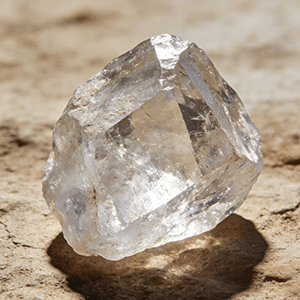
Diamonds form deep within the earth, typically around 90 to 120 miles below the surface, where temperatures are high and pressure is intense enough to reshape carbon at an atomic level.
Over millions to billions of years, carbon atoms bond into a tightly packed structure that gives diamond its strength and the way it handles light. These crystals remain buried until volcanic activity carries them closer to the surface, where they are eventually discovered and mined.
Where are diamonds found?
Diamonds are found in several regions around the world, with some of the most well-known sources including Botswana, Canada, Russia, and South Africa. Each location can produce diamonds with slightly different characteristics, but the overall structure remains consistent.
Today, many diamonds are carefully sourced with a focus on traceability and responsible mining practices.
What does a diamond symbolize?
The April birthstone meaning comes directly from its physical properties. As the hardest natural material, it’s associated with strength and the ability to hold its form over time. That durability translates naturally into ideas of permanence and reliability, not as an abstract concept, but as something the stone actually demonstrates.
Its clarity and structure also shape how it’s perceived. Diamonds handle light with precision, returning it in a way that feels sharp and controlled rather than soft or diffused. That quality has long been linked to focus, clarity of thought, and a sense of direction.
Taken together, these characteristics give diamond a more grounded meaning. It represents consistency, resilience, and something chosen with the expectation that it will continue to hold its place over time.
The history of diamonds
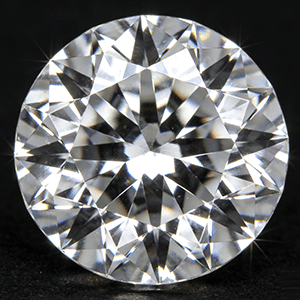
Diamonds have been valued for thousands of years, with the earliest known discoveries traced back to India, where they were found in riverbeds and traded among royalty. Their rarity and strength quickly gave them status beyond ornament, often associated with protection, power, and permanence.
By the Middle Ages, diamonds had reached Europe through trade routes, becoming symbols of wealth and influence. One of the earliest recorded diamond engagement rings dates to 1477, when Archduke Maximilian of Austria gave a diamond ring to Mary of Burgundy, an event that helped shape their association with commitment.
As demand grew, new sources were discovered. Brazil became a major supplier in the 18th century, followed by large-scale discoveries in South Africa in the 19th century, which transformed diamonds into a more widely available gemstone while maintaining their significance.
Some of the most well-known diamonds, including the Cullinan and the Hope Diamond, trace their origins back to these early mining regions, further reinforcing the stone’s long-standing cultural and historical presence.
What color is April’s birthstone?
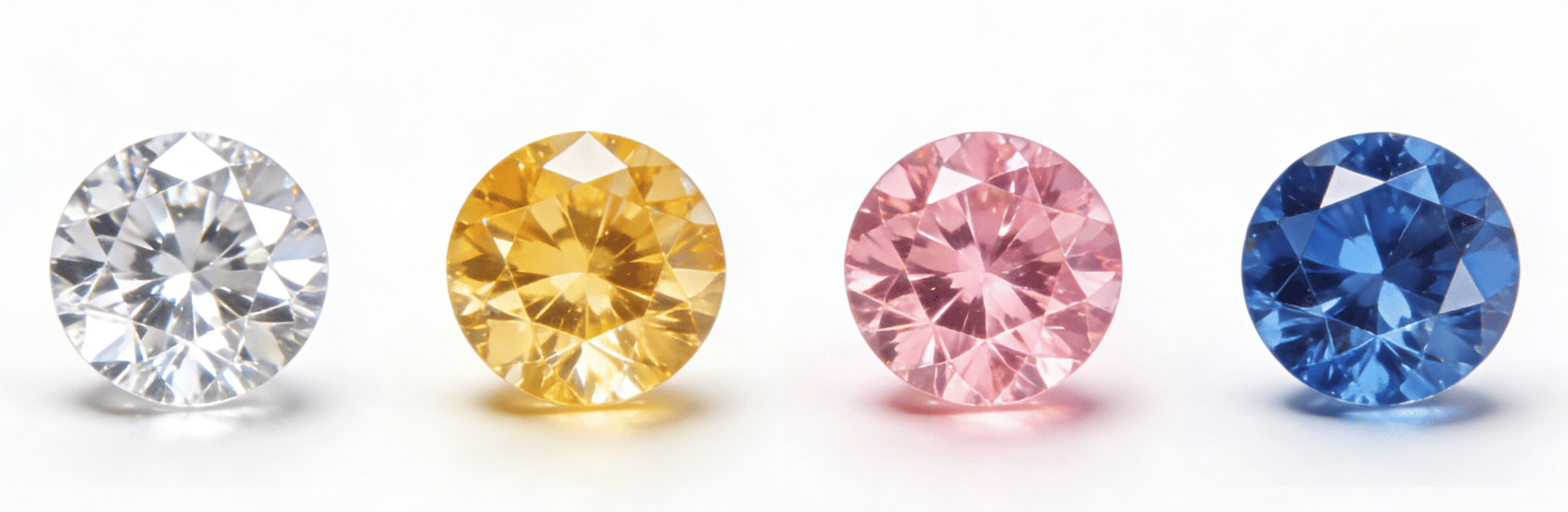
Diamond is most commonly known for its colorless appearance, but it exists in a wider range of shades than most people expect.
Natural diamonds can appear in tones of yellow, brown, pink, blue, and even green. The most sought-after diamonds tend to fall within the near-colorless range, where the stone appears bright and clear to the eye. More saturated colors, often referred to as fancy color diamonds, are rarer and valued for their distinct character.
Why do diamonds sparkle so much?

A diamond’s sparkle comes down to how it handles light. When light enters the stone, it reflects off internal surfaces and returns to the eye as brightness, contrast, and flashes of color.
This effect depends largely on the cut. Well-proportioned facets allow light to move efficiently through the diamond, creating what is known as brilliance and fire. If the cut is too shallow or too deep, light escapes instead of reflecting back, and the stone can appear dull.
This is why cut plays such a defining role in how a diamond looks, often more than its size or weight.
Understanding the 4Cs of diamonds
The quality of a diamond is evaluated using four key factors known as the 4Cs: cut, color, clarity, and carat. Together, they shape how a diamond looks, how it interacts with light, and how it is valued. Understanding these elements makes it easier to recognize what sets one diamond apart from another.
Cut
Cut refers to how a diamond has been shaped and faceted. It directly affects how the stone reflects light, making it the most important factor in overall appearance.
Color
Diamond color is graded based on how little color is visible. The closer a diamond is to colorless, the higher it ranks within the standard grading scale.
Clarity
Clarity measures the presence of natural inclusions or surface characteristics. Most are not visible to the eye, but they can influence how light moves through the stone. Read more in our dedicated Diamond Clarity Guide.
Carat
Carat refers to the weight of the diamond, not its size alone. Two diamonds with the same carat weight can appear different in size depending on how they are cut.
To explore each of these factors in more detail, including how they influence what you see in a finished piece, visit our guide on The 4Cs of Diamonds.
Is diamond durable for everyday wear?
Diamond is the hardest natural gemstone, ranking 10 on the Mohs scale. This makes it highly resistant to scratching and suitable for everyday jewelry, especially rings.
While diamonds are durable, they are not indestructible. Strong impact can still cause chipping along edges or corners, so thoughtful settings and regular care help maintain their condition over time.
Stones that can be mistaken for diamonds
Diamonds have a very specific way of handling light, but several gemstones and materials can appear similar at first glance. Some are natural, others are man-made, and each reflects light differently, which is usually where the difference becomes clear.
Understanding how these stones compare helps clarify what sets diamonds apart.
Diamond vs Common Look-Alike Stones
| Stone | What it is | Appearance vs diamond | Key difference |
| Moissanite | Lab-created gemstone | Often appears brighter with more rainbow flashes | Shows stronger “fire” than diamond, which can look slightly different in natural light |
| White sapphire | Natural gemstone (corundum) | More muted and less reflective | Lacks the same level of brilliance and contrast |
| Cubic zirconia | Man-made material | Initially bright and clear | Appears more glassy over time and less sharp in light performance |
| White topaz | Natural gemstone | Softer, less crisp look | Lower brilliance and can appear slightly hazy |
| Glass | Man-made material | Can mimic clarity at a glance | No real light performance or durability |
| Zircon (natural) | Natural gemstone (not CZ) | High brilliance but softer look | Less durable and a different light return pattern |
If you’re trying to tell the difference in real life, our guide on How to Tell if a Diamond Is Real breaks it down in more detail.
Diamond in jewelry
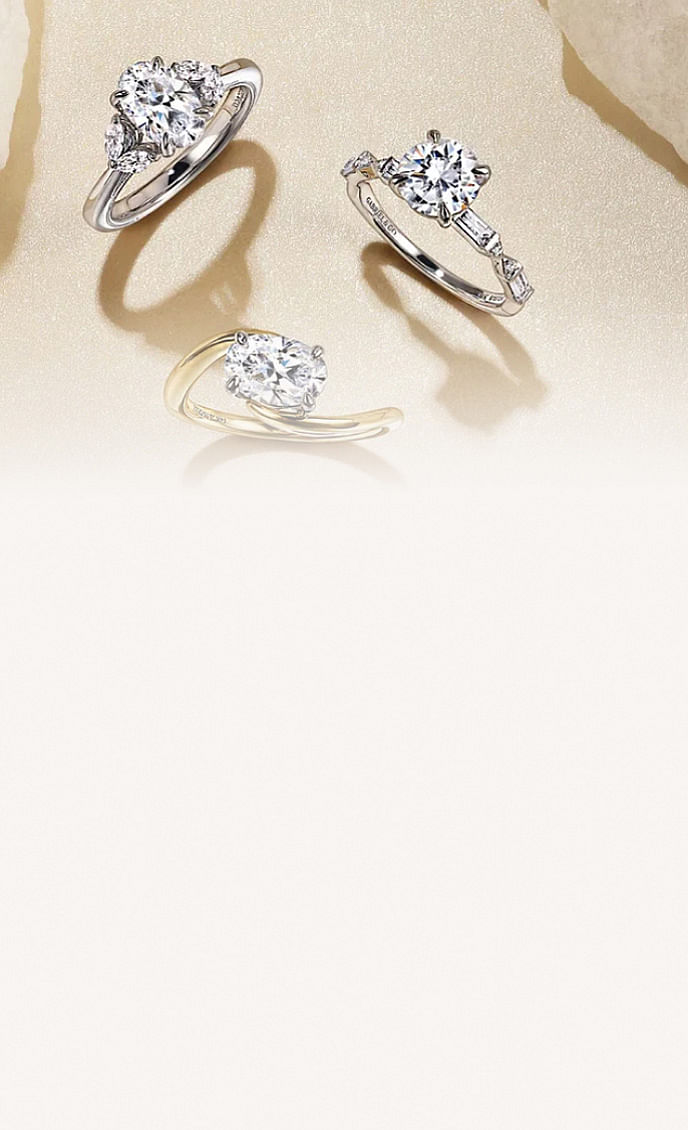
Diamond engagement rings
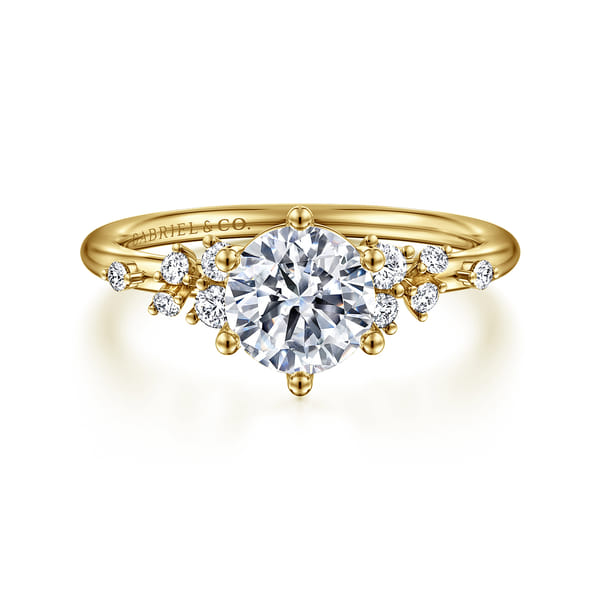
Diamonds have become the defining choice for engagement rings due to their durability and symbolic connection to commitment. Their ability to hold up to everyday wear makes them especially suited for a piece that is worn constantly, while their clarity and light performance give them a presence that feels intentional without being overstated. Over time, they’ve come to represent not just permanence, but the idea of something chosen to last.
Diamond in fine jewelry
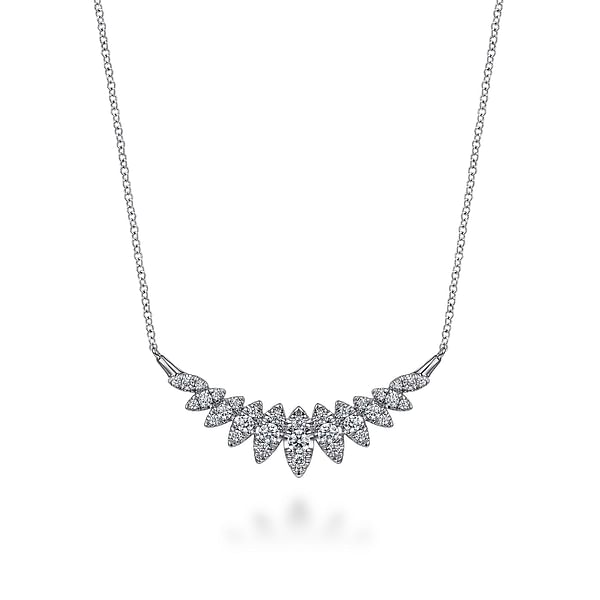
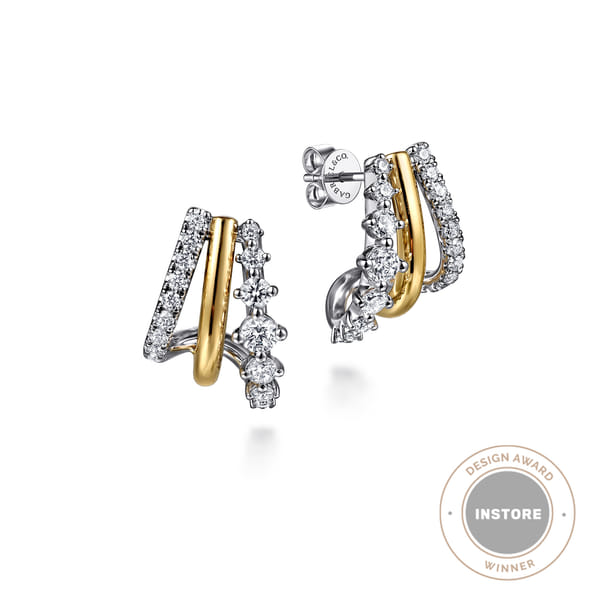
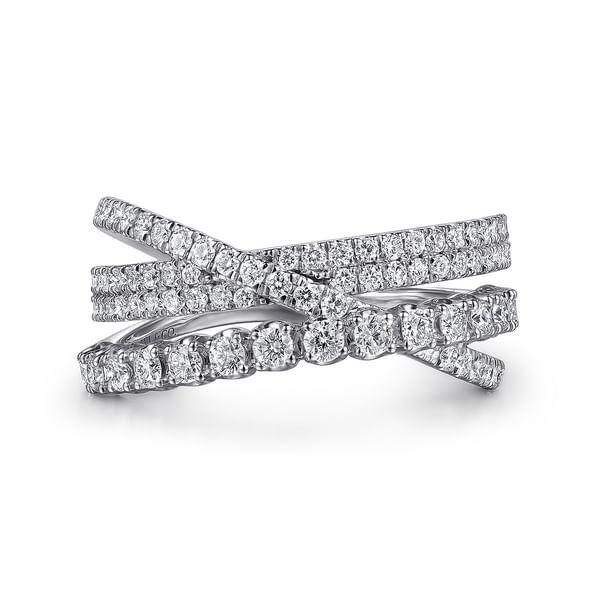
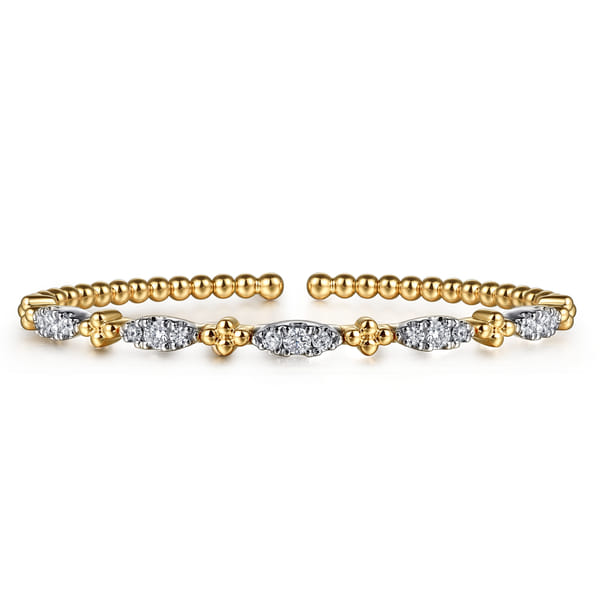
Diamonds move easily across fine jewelry, from diamond necklaces and pendants that bring light closer to the face to diamond earrings that frame it with subtle brightness. Whether worn as a single point of focus or layered into a more complete look, diamonds hold their presence without overwhelming it, which is what makes them work just as well for everyday wear as they do for more elevated pieces.
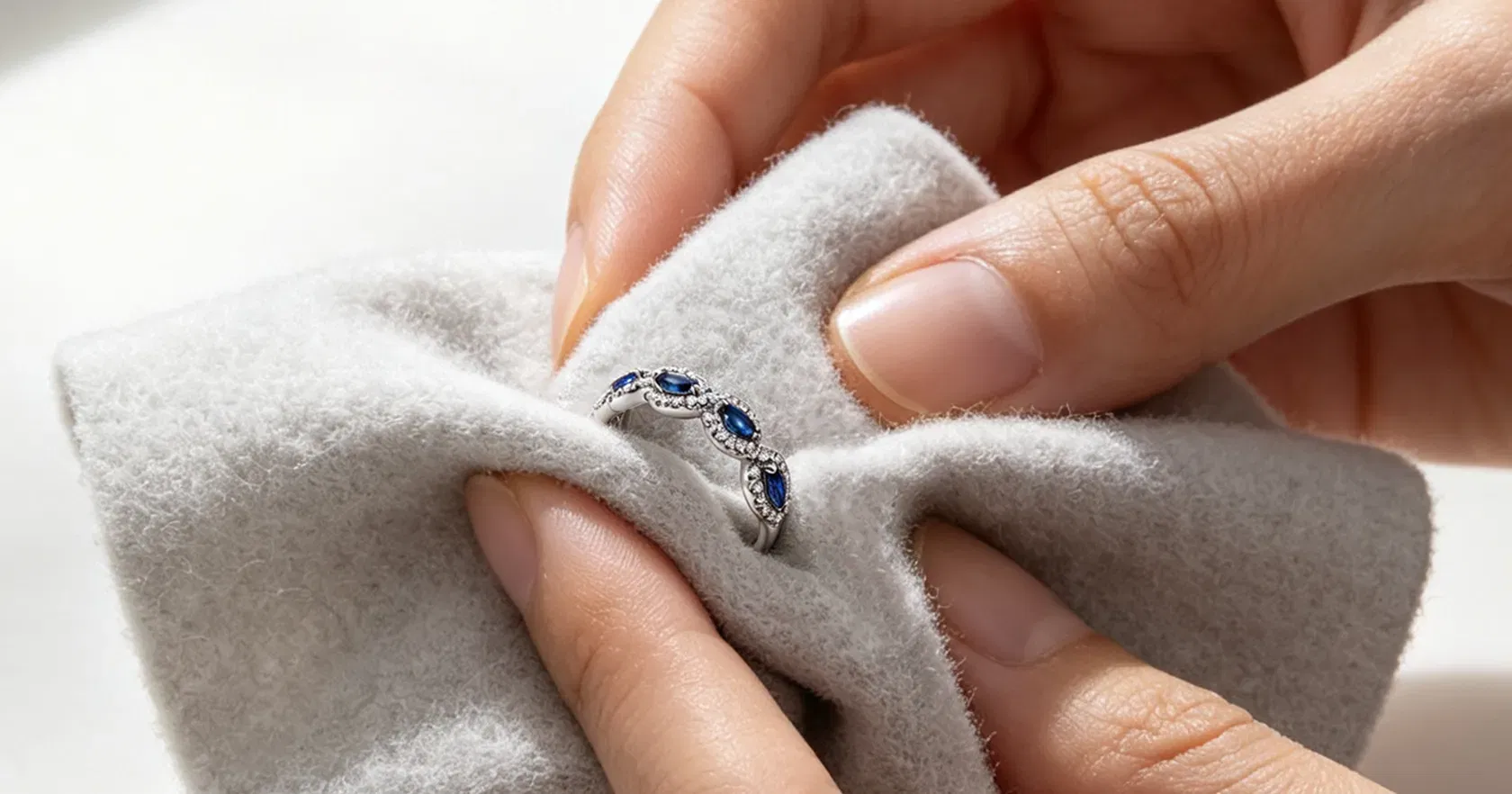
How to care for diamond jewelry
Diamond jewelry can be cleaned using warm water, mild soap, and a soft brush. Regular cleaning helps maintain its brightness by removing oils and residue.
It’s best to store diamond pieces separately to avoid contact with other jewelry, and to have settings checked periodically to ensure the stone remains secure.
Final thoughts
Diamonds tend to become part of your routine without you really noticing. You wear them often, see them in different light, and over time they just feel familiar.
That’s part of why they make sense for April. They mark a beginning, but they’re also made to be worn long after that moment has passed. The piece you choose now doesn’t stay tied to one occasion. It becomes something you keep reaching for.
If you’re thinking about adding one, explore our April birthstone jewelry collection and find the piece that fits naturally into your everyday.
FAQs
What is April’s birthstone?
April’s birthstone is diamond, a natural gemstone known for its strength, clarity, and ability to reflect light.
Why is diamond the birthstone for April?
Diamond is associated with April due to its long-standing connection to strength and endurance. Its physical durability and clear appearance align with the idea of something meant to last, which made it a natural fit for the month.
What does the April birthstone symbolize?
The April birthstone symbolizes strength, clarity, and resilience. Its structure and durability give it a direct connection to permanence and consistency over time.
What makes a diamond valuable?
A diamond’s value is determined by the 4Cs: cut, color, clarity, and carat weight, along with overall appearance and light performance.
Is diamond the only birthstone for April?
Yes, diamond is the only traditional and widely recognized birthstone for April.
What color is April’s birthstone?
April’s birthstone is most commonly colorless, but diamonds can also appear in shades of yellow, pink, blue, and green, depending on their composition.
What is the history of April’s birthstone?
Diamonds have been valued for thousands of years and were first discovered in India. Over time, they became associated with strength and status, eventually becoming the recognized birthstone for April.
How do you clean diamond jewelry?
Use warm water, mild soap, and a soft brush. Avoid harsh chemicals and store pieces separately.