Good to Have You Back

Most gemstone jewelry can be cleaned at home with lukewarm water, a drop of mild soap, and a soft-bristled brush. But not every stone can handle the same treatment. Hardness, porosity, and treatment history all affect how much cleaning a gemstone can safely tolerate, so the right method depends on which stone you're working with. Use the categories below to find the safest approach for your piece.
Know your gemstone before you clean it
Every gemstone is rated on the Mohs hardness scale, which measures how resistant a mineral is to scratching, from 1 (softest) to 10 (hardest, diamond). Harder stones generally tolerate more contact, while softer stones scratch and dull more easily. Hardness isn't the only factor, though. Porous stones absorb liquids and chemicals, and treated, or fracture-filled stones can react badly to soaking, heat, or ultrasonic vibration, even when the stone itself is fairly hard. If you're not sure how a piece was treated or what stone it contains, a jeweler can confirm this before you clean it at home.
Gemstone care categories
Grouping gemstones by how much handling they can take is a faster way to know what's safe than looking up each stone individually. Use the tier that matches your gemstone, then follow the general method in the next section.
Durable gemstones (Mohs 8 to 10)
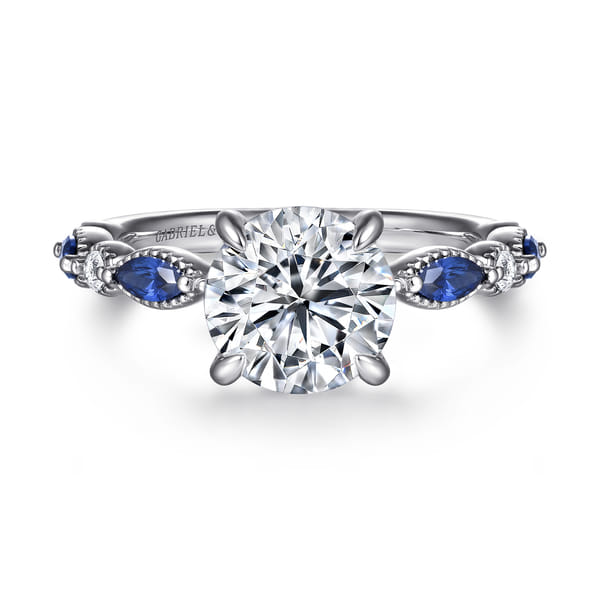
These stones are dense and scratch-resistant, so they can generally handle a full soak, gentle scrubbing, and, in most cases, an ultrasonic cleaner as long as the stone is untreated and the setting is secure. The exception to watch for in this tier is treatment history, not hardness.
| Gemstone | Mohs hardness | Watch for |
| Diamond | 10 | Skip ultrasonic if the stone has inclusions reaching the surface |
| Sapphire | 9 | Skip ultrasonic if heavily treated or fracture-filled |
| Ruby | 9 | Skip ultrasonic if heavily treated or fracture-filled |
| Alexandrite (lab-created) | 8.5 | Handles ultrasonic well; few restrictions |
Moderately durable gemstones (Mohs 6 to 7.5)
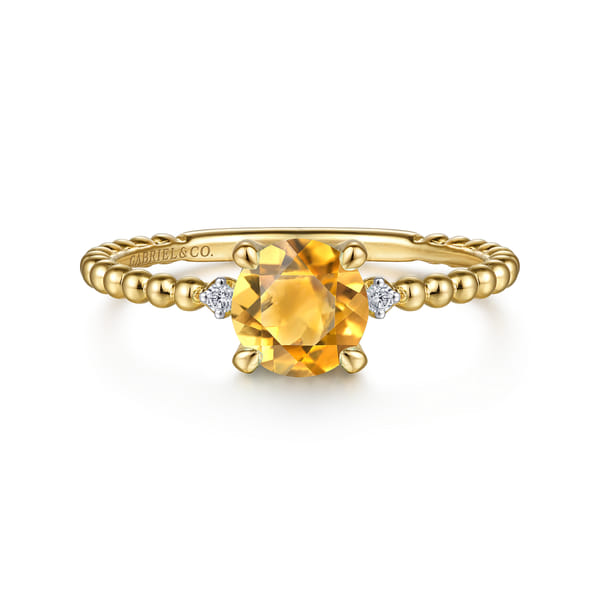
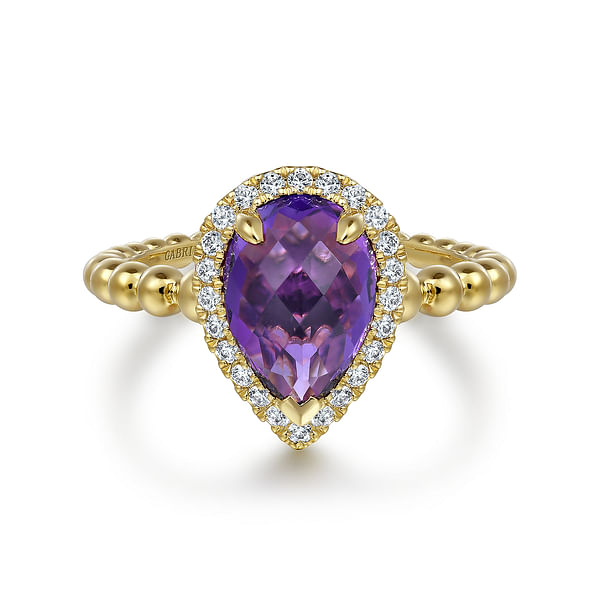
These stones hold up well to normal wear but scratch more easily than diamonds or sapphires, and none of them belong in an ultrasonic or steam cleaner. Clean this whole tier with warm water, mild soap, and a soft brush; the difference between stones is what to keep them away from.
| Gemstone | Mohs hardness | Watch for |
| Amethyst | 7 | Avoid prolonged soaking |
| Citrine | 7 | Heat sensitive; keep away from steam |
| Garnet | 6.5 to 7.5 | Avoid ultrasonic if the stone is heavily included |
| Aquamarine | 7.5 to 8 | Avoid ultrasonic if treated |
| Tourmaline | 7 to 7.5 | Sensitive to vibration |
| Topaz | 8 | Sensitive to sudden temperature change |
| Morganite | 7.5 to 8 | Avoid prolonged heat exposure |
| Peridot | 6.5 to 7 | Sensitive to sudden temperature change and household chemicals |
| Onyx | 6.5 to 7 | Porous along banding; avoid prolonged soaking |
Delicate and porous gemstones
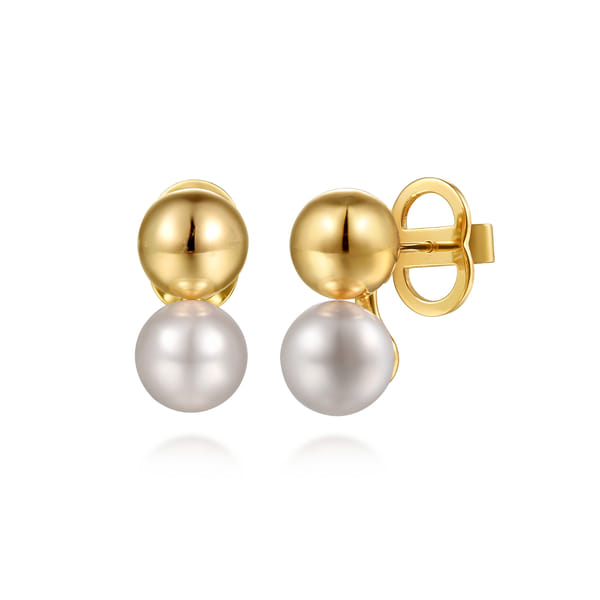
These stones are either naturally soft, porous, organic, or commonly treated in ways that make them sensitive to water, chemicals, and heat. Wipe with a barely damp, soft cloth rather than soaking, and skip ultrasonic and steam cleaners entirely across this whole tier.
| Gemstone | Mohs hardness | Watch for |
| Pearl | 2.5 to 4.5 | Keep away from perfume, hairspray, and lotion |
| Opal | 5.5 to 6.5 | Sensitive to heat and sudden temperature change |
| Turquoise | 5 to 6 | Porous; avoid chemicals and prolonged sunlight |
| Emerald | 7.5 to 8 | Usually oil-treated; avoid soaking |
| Malachite | 3.5 to 4 | Soft and sensitive to household chemicals and perfume |
| Lapis lazuli | 5 to 5.5 | Porous; avoid soaking and chemical cleaners |
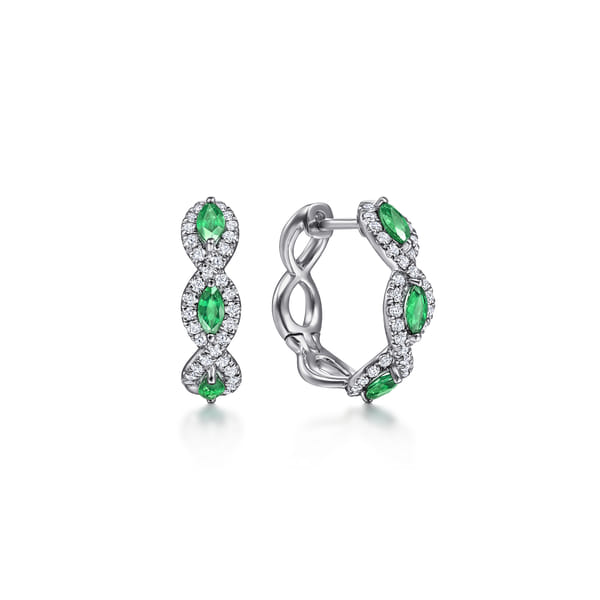
Other gemstones
There are plenty of other beautiful, lesser-known gemstones worth knowing how to care for.
- Moonstone (Mohs 6 to 6.5): wipe with a soft, barely damp cloth; avoid ultrasonic and sudden temperature change
- Moissanite (Mohs 9.25): handles soap, water, and ultrasonic cleaning well, similar to diamond
- Amber (Mohs 2 to 2.5): wipe only; avoid heat and alcohol-based cleaners
- Tanzanite (Mohs 6 to 6.5): avoid ultrasonic, steam, and sudden temperature change
- Jade (Mohs 6 to 7): wipe with a soft cloth; avoid harsh chemicals and prolonged sunlight
- Coral (Mohs 3 to 4): wipe only; avoid soaking, chemicals, and heat
- Zircon (Mohs 6 to 7.5): avoid ultrasonic if heavily included; brittle facet edges chip easily
- Iolite (Mohs 7 to 7.5): avoid ultrasonic and sudden temperature changeLabradorite (Mohs 6 to 6.5): no longer part of our active assortment; wipe with a soft cloth and avoid chemicals if you own an older piece
- Labradorite (Mohs 6 to 6.5): no longer part of our active assortment; wipe with a soft cloth and avoid chemicals if you own an older piece
The safest cleaning method for most gemstone jewelry
This general method works for durable and moderately durable stones. For delicate and porous stones, skip the soak and follow the wipe-only method in the table above instead.
- Inspect the piece first. Check prongs and settings for looseness. If a stone moves or the setting looks worn, skip DIY cleaning and see a jeweler.
- Mix a few drops of mild, fragrance-free dish soap into a bowl of lukewarm water.
- Soak the jewelry for 10 to 15 minutes to loosen dirt and oils.
- Gently brush the stone, setting, and underside with a soft-bristled brush, such as a baby toothbrush.
- Rinse thoroughly under lukewarm running water to remove all soap residue.
- Pat dry immediately with a clean, lint-free microfiber cloth. Avoid paper towels, which can scratch softer stones.
What to avoid when cleaning gemstone jewelry
- Bleach, ammonia, and chlorine, which can damage stones and weaken metal settings
- Vinegar, baking soda, and other household acids or abrasives, which can etch or discolor gemstones
- Toothpaste, which is too abrasive for most gemstones and can leave permanent micro-scratches
- Ultrasonic and steam cleaners on porous, organic, treated, or fracture-filled stones
- Extended soaking for porous stones like turquoise, opal, and pearl
- Sudden temperature changes, which can crack heat-sensitive stones such as opal and emerald
- Perfume, hairspray, and lotion contact, especially with pearls, which can dull their surface over time
When to have gemstone jewelry professionally cleaned
Some situations call for a professional rather than an at-home clean. Bring your jewelry to a jeweler if a stone feels loose, the setting shows visible wear, the piece is antique or has unknown treatments, or the gemstone is one of the delicate or porous types listed above and needs more than a light wipe. Most jewelers also recommend an annual professional cleaning and inspection to catch loose prongs before a stone is lost.
Final thoughts
Cleaning gemstone jewelry safely comes down to knowing what you're working with. Once you've matched your stone to the right care tier, keeping it looking its best is mostly about consistency: a quick wipe after wearing, the right method for its hardness, and a professional check-in once a year.
Of course, most jewelry boxes aren't just gemstones. If your collection includes other metals and materials, these guides can help round out your care routine:
FAQs
How often should you clean gemstone jewelry? ⌄
Can you use vinegar or baking soda to clean gemstone jewelry? ⌄
Are ultrasonic cleaners safe for all gemstones? ⌄
What is the safest all-purpose way to clean gemstone jewelry at home? ⌄
Can pearls be cleaned the same way as other gemstones? ⌄
Is toothpaste safe for cleaning gemstone jewelry? ⌄
How do you know if a gemstone is too damaged to clean at home? ⌄
How often should gemstone jewelry be professionally cleaned? ⌄