Good to Have You Back

If you’re just starting your engagement ring journey, you’re probably encountering some new terminology and perhaps general information overload. An engagement ring may look pretty straightforward, but it actually comprises many different parts. Each area has its own technical term, commonly used by jewelers, and serves a unique purpose. Let’s explore some of this unique terminology.
The Parts of an Engagement Ring
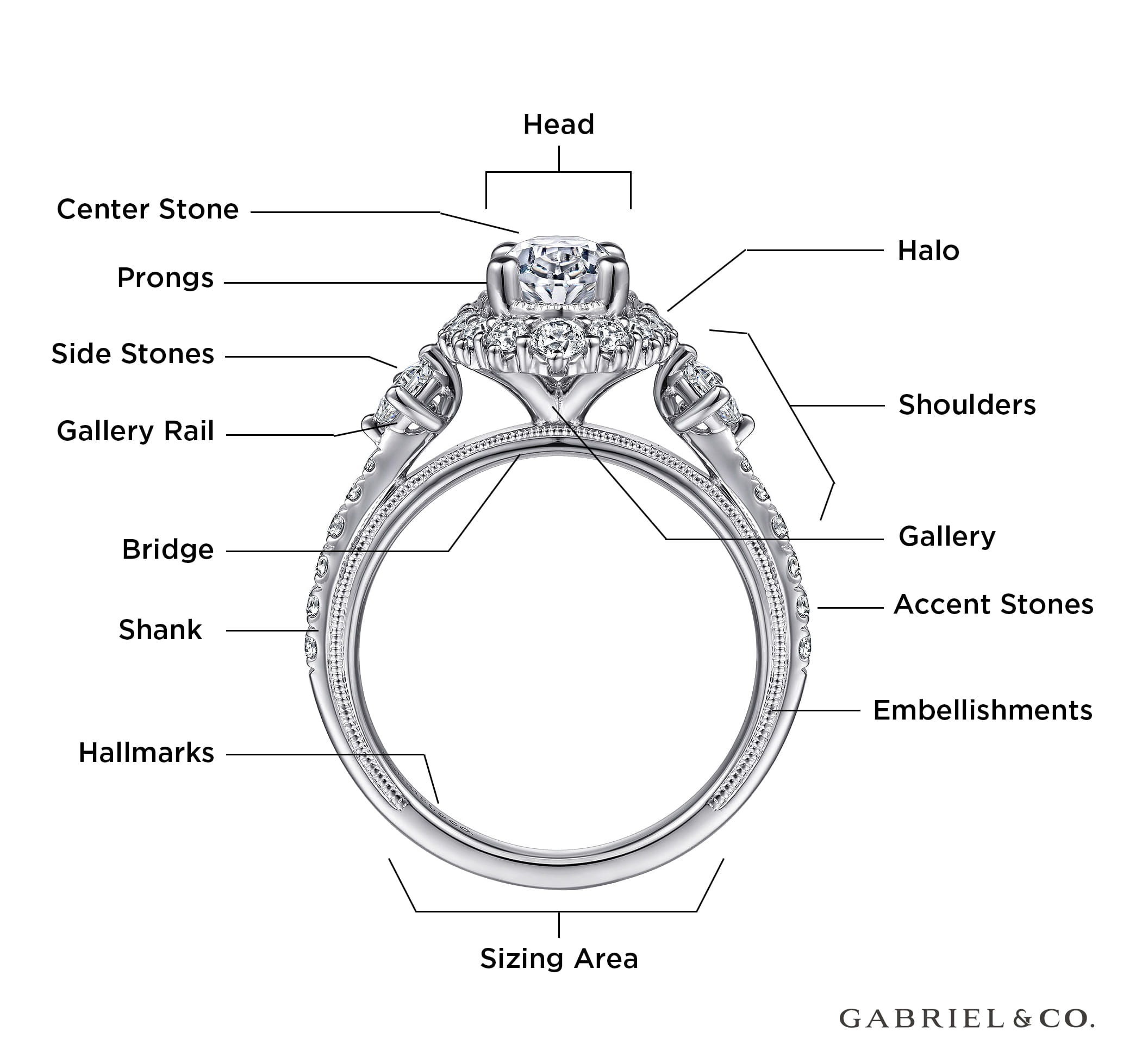
The Center Stone (Star of the Show)
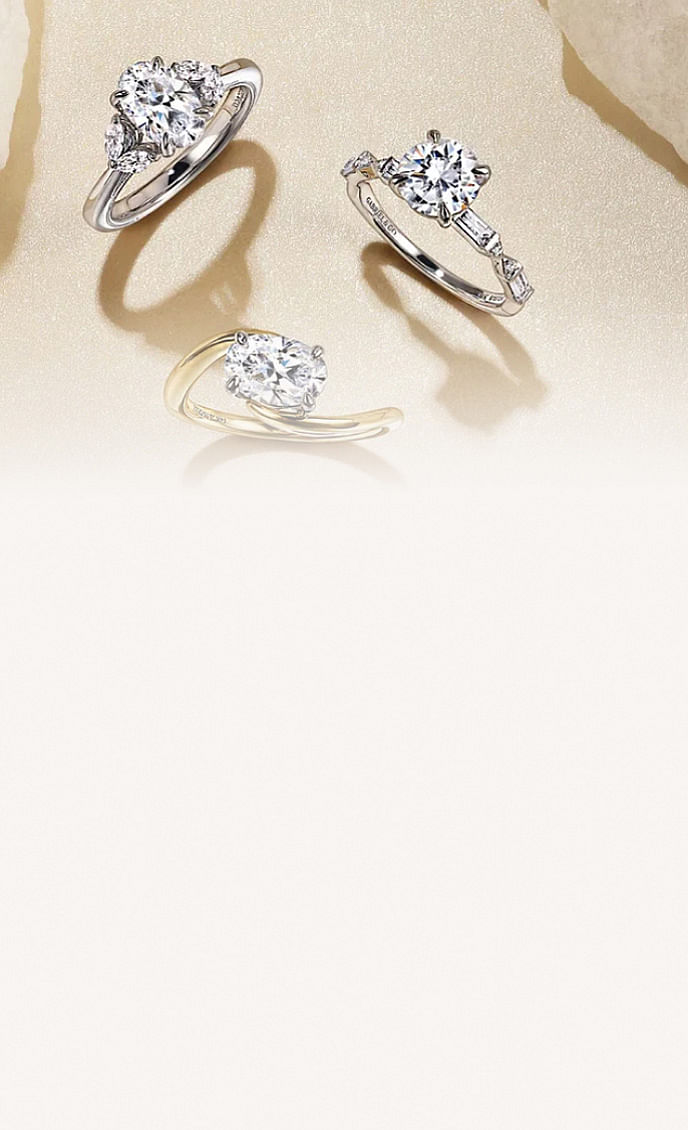
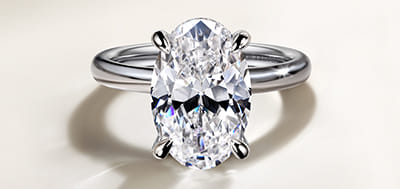
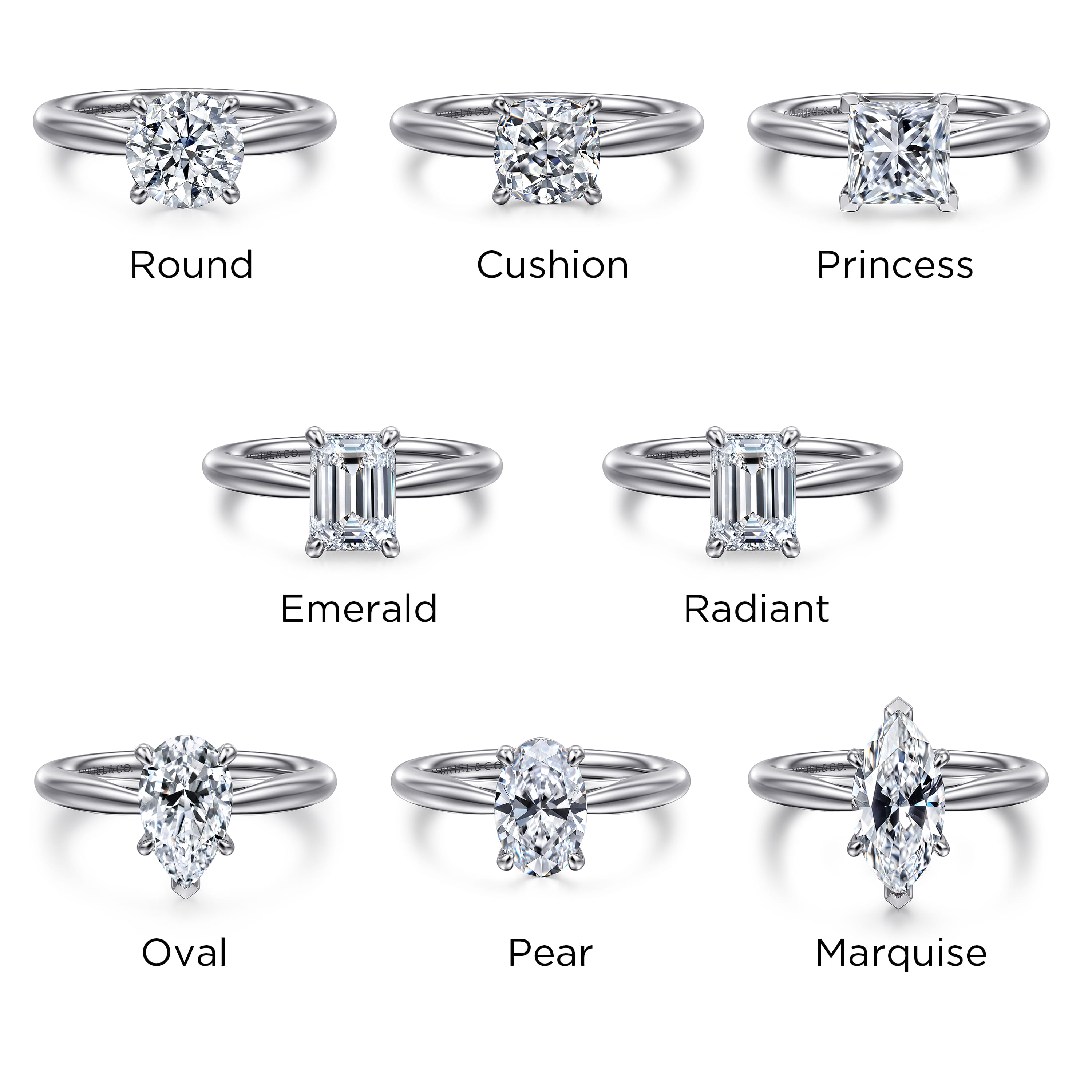
Modern day engagement rings run the gamut in design; however they all have one important detail in common. They all have a stone that is bigger than the others and set in the center. This stone can be a diamond or a gemstone. Center stones are measured in carats, the most common size in the US being around 1 carat. The round shape is the most popular but other shapes such as emerald, pear, oval, marquise, cushion and princess are also loved; these are referred to as “fancy” shapes. Every shape has its own unique characteristics as well as pros and cons.
The Side Stones
Side stones can be any of the above shapes. They flank the center stone on each side in what we call a three-stone setting. This will increase the cost of the setting, depending on the type of side stones used. Precious stones like sapphires and emeralds are a beautiful and more affordable choice than diamonds. If you do choose diamonds for your side stones, make sure they are of the same quality as the center for a cohesive look. Three-stone settings are both beautiful and meaningful, symbolizing love, fidelity, and friendship.
What’s the Setting of a Ring?
The setting or mounting refers to everything but the center stone. Think of the setting as the support crew of the main star: the center stone. The setting conveys the overall feel of the ring, whether it has a vintage aesthetic, a contemporary, or a classic feel.
Interested in checking out the different settings we have? Check out Gabriel & Co’s all settings combined in one stunning collection.
The Impact of a Halo Setting
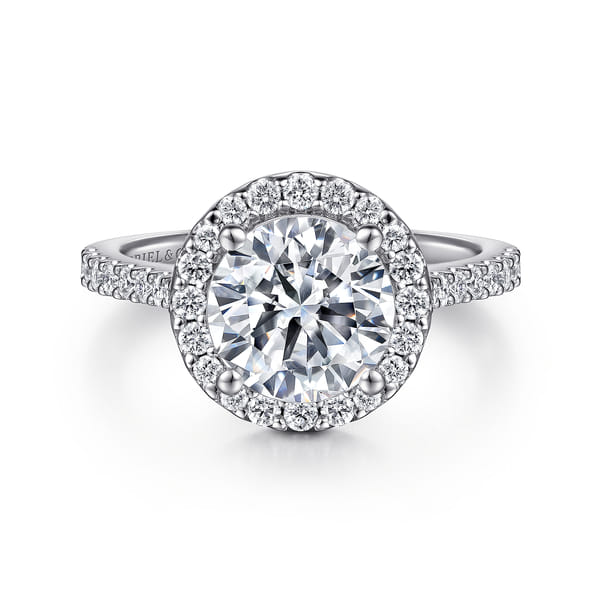
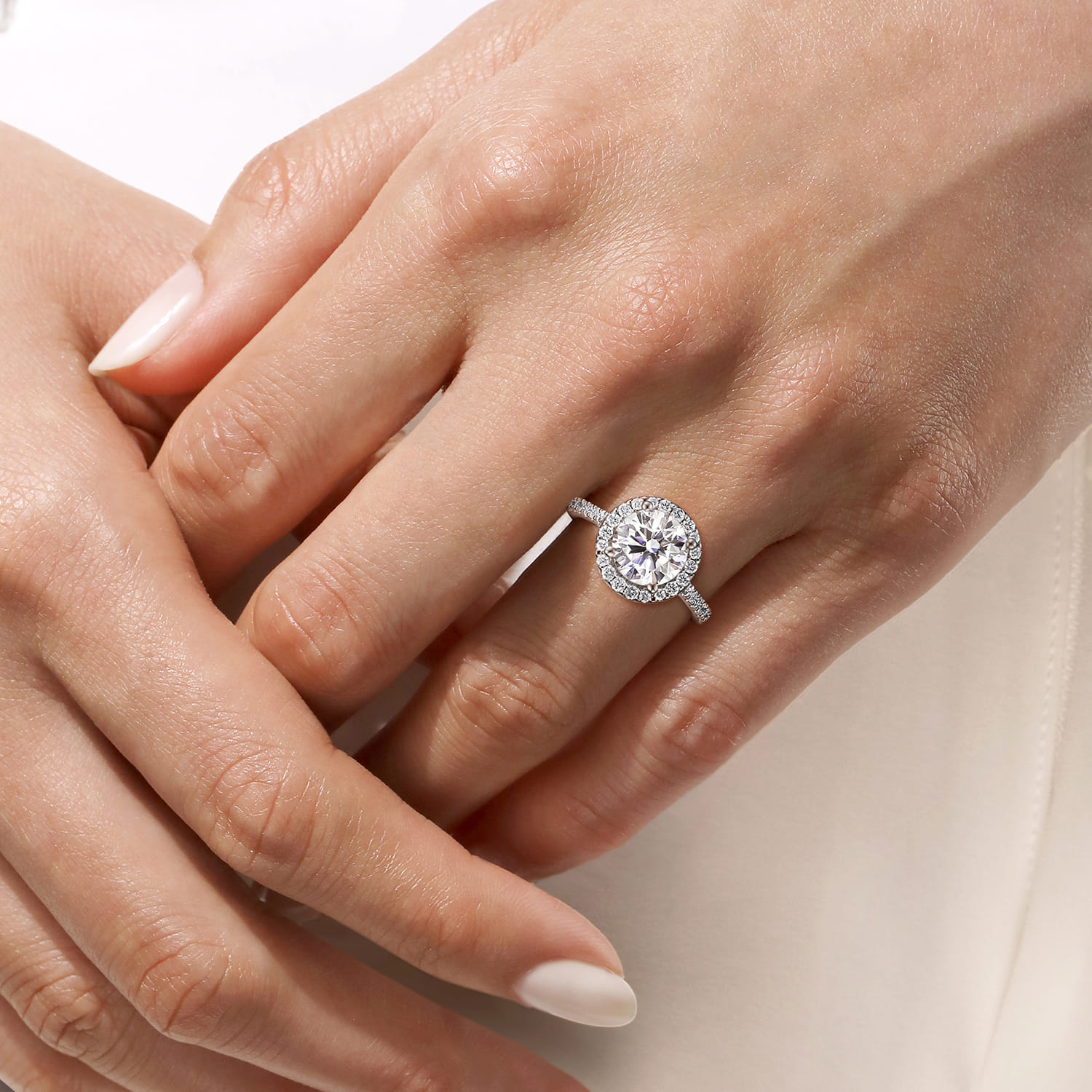
A halo is optional, but definitely important to mention, as this type of setting has been gaining popularity in the past few years. The term refers to a group of stones surrounding the center stone, forming a sort of frame. The halo setting adds sparkle and gives the illusion of a larger center stone.
Read: History of Halo
The Head
The head, also known as the crown, refers to the part of the setting that holds the center stone, including the prongs. Because fancy-shaped stones have distinct contours, they often require custom prongs designed to hold them securely in place. If the head has an intricate design or is embellished with stones, it is sometimes referred to as the basket, which provides increased support and stability for the center stone. Some heads are part of the setting, while others are removable and can be changed to different designs or sizes, retaining the existing shank or band.
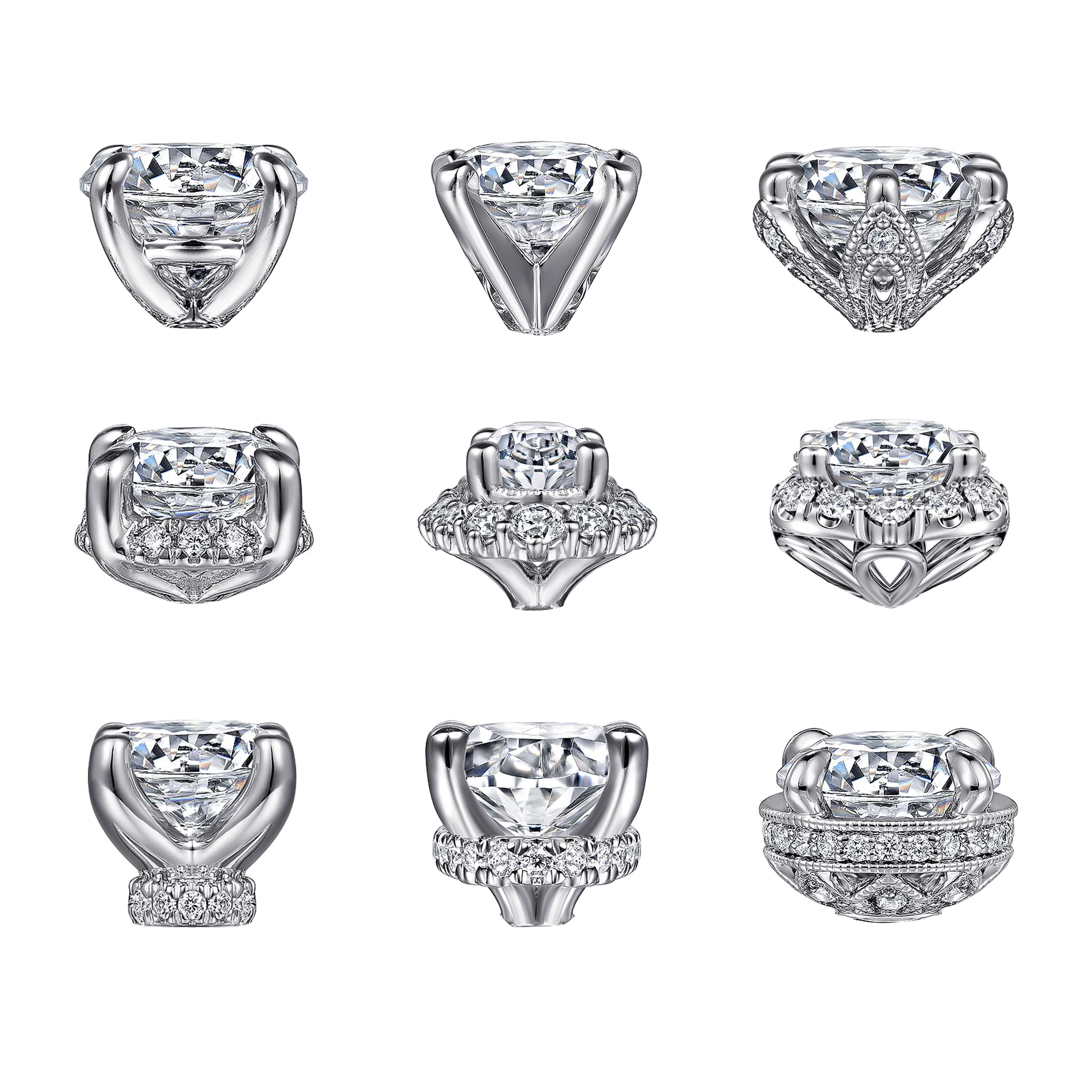
The Gallery
The gallery refers to the area that can be seen when viewing the side profile of the ring. These can showcase scrollwork or filigree, sparkle with stones, or keep a minimalist look. Below are some examples of various galleries, including intricate and simple.
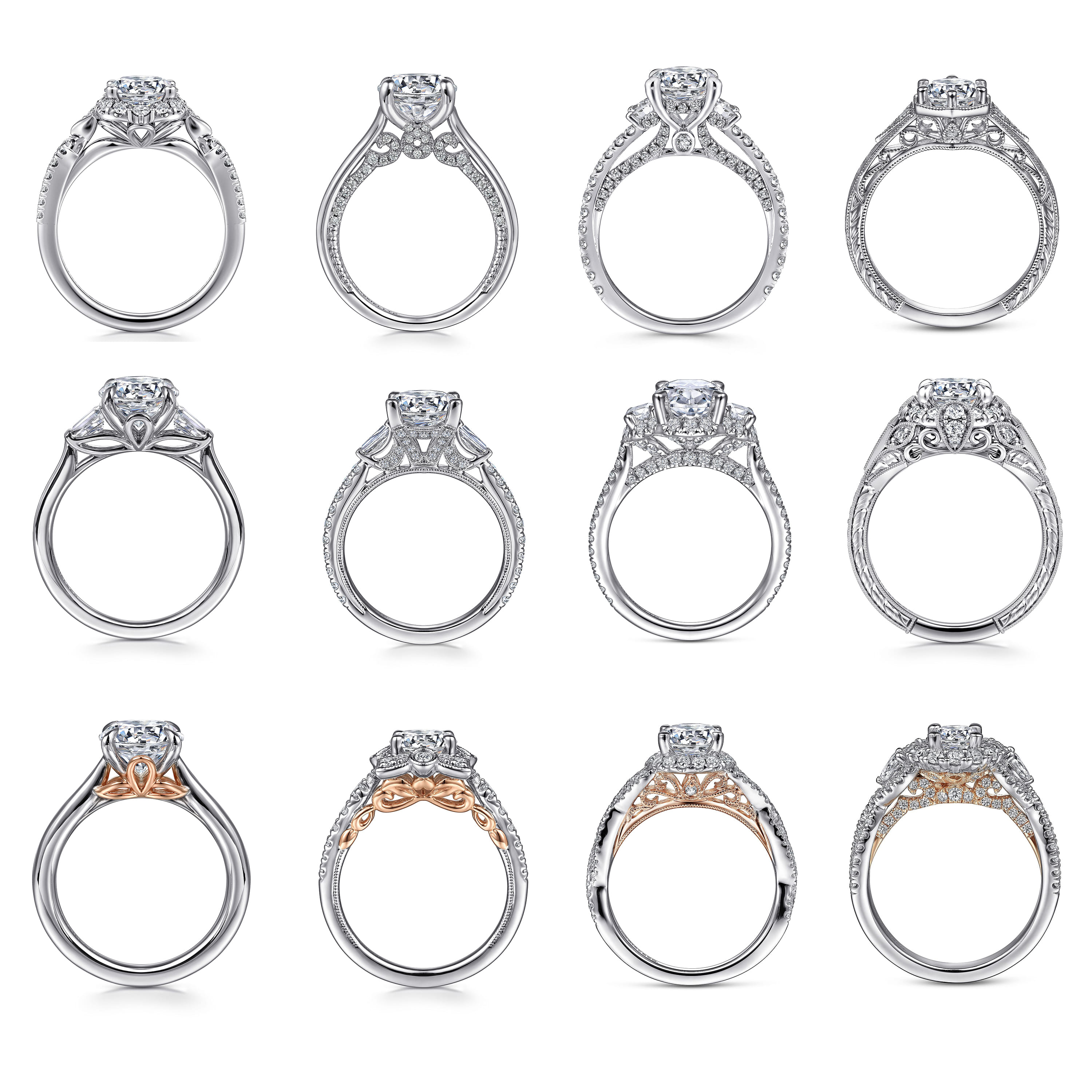
The Bridge
The bridge is the section beneath the gallery. It can be plain, detailed with milgrain, or adorned with diamonds or other stones.
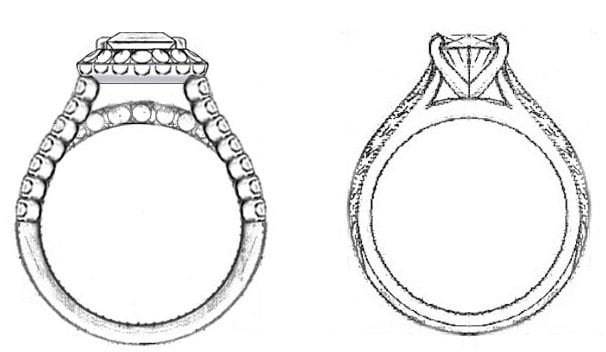
The Shoulder
The shoulder refers to the top two sides of the ring forming the beginning of the shank. This area can taper, augment, be straight, twisted or split.
The Shank
The shank, also called the band, is the bottom portion of the ring that wraps around your finger. The bottom underside is the part that jewelers cut when sizing a ring. The inside of the shank is an ideal place to add an inscription with the wedding date or a meaningful message. The shank has the important job of ensuring that the ring fits your finger properly and prevents it from spinning.
The Sizing Area
The sizing area is located on the bottom back of the ring, where the jeweler can cut and size it to your exact finger size.
Closing Thoughts
As you begin your journey and start to get an idea of the kind of ring you want, it is important to understand and be able to discuss these terms. This will be especially helpful if you plan to alter existing designs or create a custom design of your own.
Browse our engagement rings and find the perfect one for you.