Good to Have You Back
What is November’s birthstone? November has two official birthstones: citrine and topaz. Citrine is known for its golden warmth and positive energy, while topaz ranges from golden to blue and symbolizes strength and clarity.
November Birthstone Fast Facts
- Primary stones: Citrine and Topaz
- Common colors: Golden yellow, amber, blue, pink
- Meaning: Joy, clarity, strength, abundance
- Durability (Mohs): Citrine 7 | Topaz 8
- Best jewelry types: Rings, pendants, earrings
Is topaz or citrine the real November birthstone? Both topaz and citrine are official November birthstones. Topaz has ancient roots and appears in multiple colors, while citrine became widely recognized for its golden tone and accessibility.

November is one of the few months with two official birthstones: topaz and citrine. Both are recognized by major gem authorities and appear on the modern birthstone list. Citrine is often highlighted for its sunny glow, while topaz carries a long historical legacy.
Why is blue topaz also associated with December? December’s official stones: turquoise, tanzanite, and blue zircon, all have cool blue tones. Blue topaz fits this winter palette, so jewelers often include it in December-themed collections. Officially, though, topaz remains a November birthstone.
November birthstone: Topaz
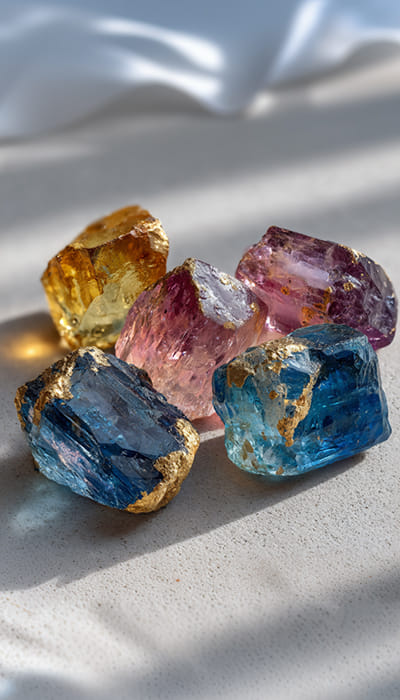
What is topaz?
The topaz birthstone is a naturally occurring silicate mineral best known for its impressive clarity and range of colors. Topaz has been prized for thousands of years. From Greek legends to Egyptian amulets, topaz was believed to carry the energy of the sun, offering protection, strength, and mental clarity. It was also worn by medieval travelers and royalty as a talisman.
Key qualities of topaz
Color: Ranges from golden yellow to amber, pink, and even blue.
Durability: 8 on the Mohs scale, making it suitable for everyday jewelry, yet it requires care to prevent chips along natural cleavage planes.
Symbolism: Topaz has long represented focus, inner strength, and renewal. It was believed to calm anger, soothe the mind, and help people achieve goals with clarity.
Origins: Found in Brazil, Sri Lanka, Pakistan, and Nigeria. Brazilian mines, in particular, produce some of the most vibrant golden and imperial stones.
Historical significance: Ancient civilizations saw topaz as a stone of divine protection. In Europe, it became a favorite of royalty and was often engraved with symbols for good fortune.
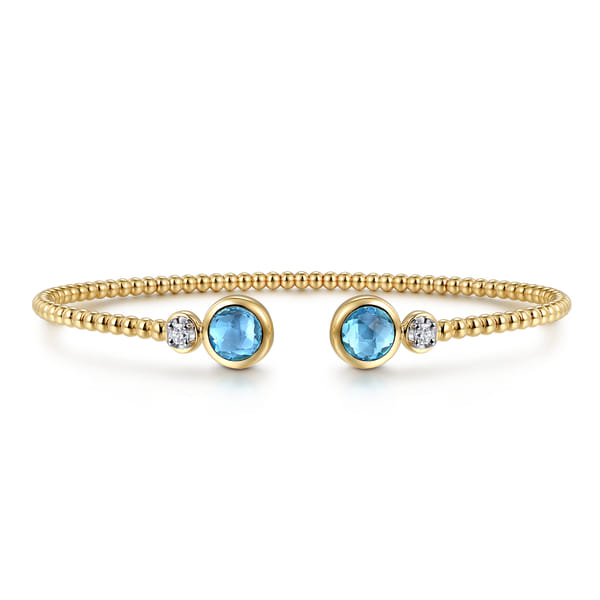
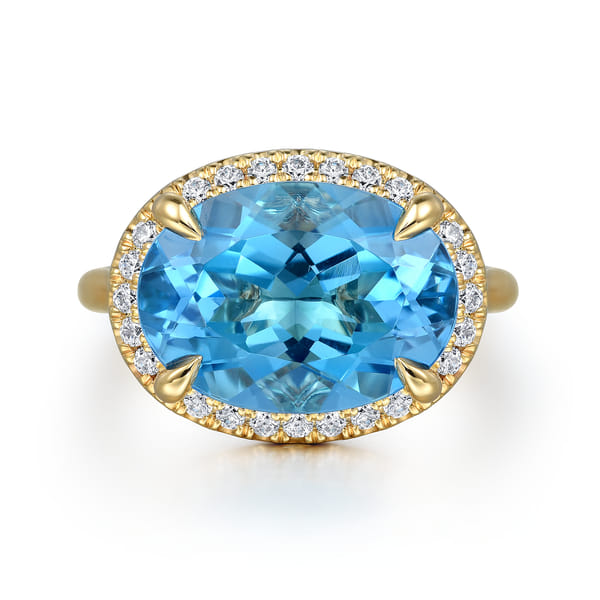
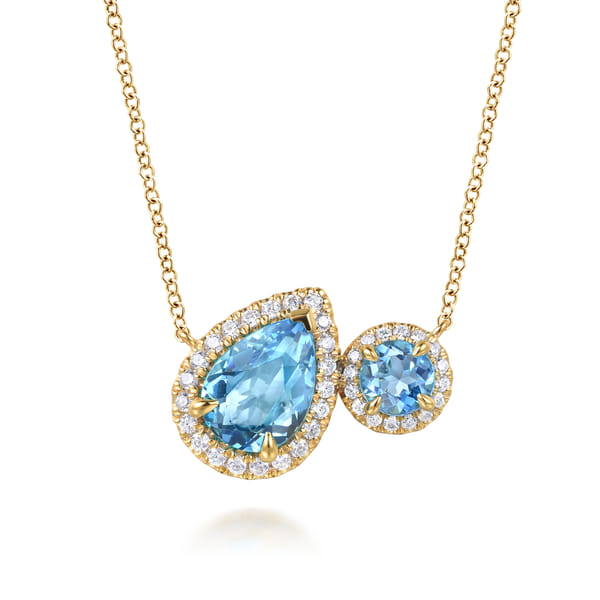
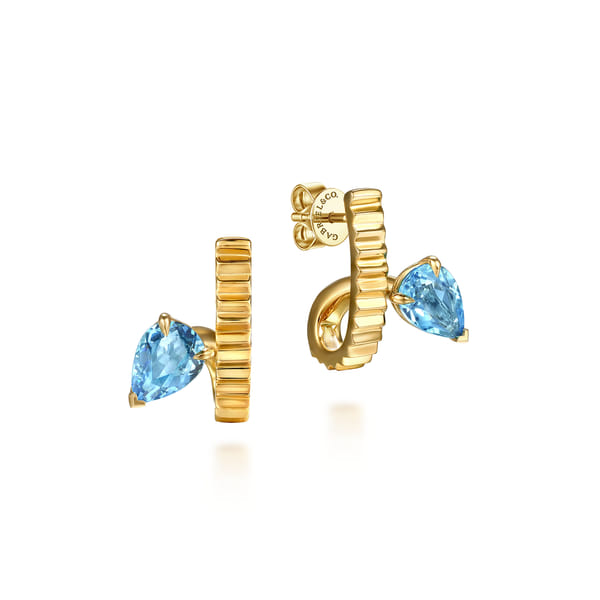
Topaz colors: shades, origins, and symbolism
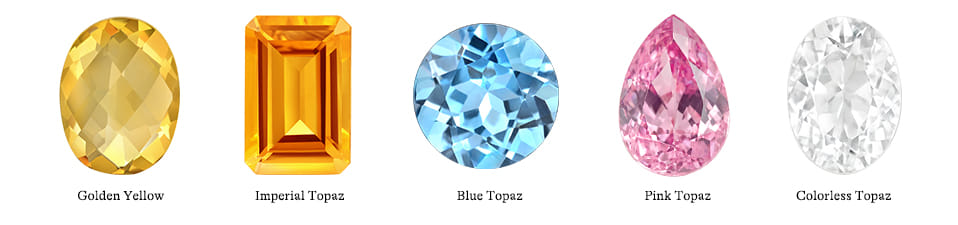
Topaz isn’t just golden yellow; it comes in an array of colors, each created by nature or enhanced through heat treatment, irradiation, or a combination of both. Here’s a guide to the most popular hues:
| Topaz Shade | Origin of color | Symbolism | Why it matters |
| Golden yellow topaz | Natural iron impurities; also heat-treated to intensify warm tones. | Optimism, confidence, clarity, and energy. Reflects sunlight, associated with warmth, vitality, and personal empowerment. | A Classic November birthstone shade, traditionally linked to prosperity and joy. |
| Imperial topaz |
Natural golden-orange to peachy hues, often rare and highly prized. | Nobility, power, courage, and success. Historically worn by royalty as a symbol of wealth and prestige. | Rare and luxurious, carrying centuries of prestige and meaning. |
| Blue topaz | Usually colorless topaz that has been irradiated and heat-treated to achieve sky-blue or Swiss/London-blue shades. | Calm, clarity, communication, and focus. Associated with emotional balance and mental clarity. | While sometimes linked to December due to its color, it’s officially a November stone. Accessible and versatile for modern jewelry. |
| Pink topaz | Natural, rare occurrences; most commercial pink topaz is heat-treated to achieve its delicate hue. | Love, compassion, emotional warmth, and creativity. Ideal for expressing affection and joy. | A Romantic shade, popular for meaningful gifts like rings and pendants. |
| Colorless topaz | Pure topaz with no significant trace elements. Often used as a diamond alternative. | Clarity, purity, and focus. Thought to amplify intentions and bring mental clarity. | Offers versatility and elegance, perfect for layering with other stones or settings. |
Topaz’s luminous glow and uplifting energy capture the spirit of November, echoing the rich hues of autumn sunshine. Share a meaningful gift with our blue topaz rings or topaz earrings, perfect for celebrating someone special.
November birthstone : Citrine
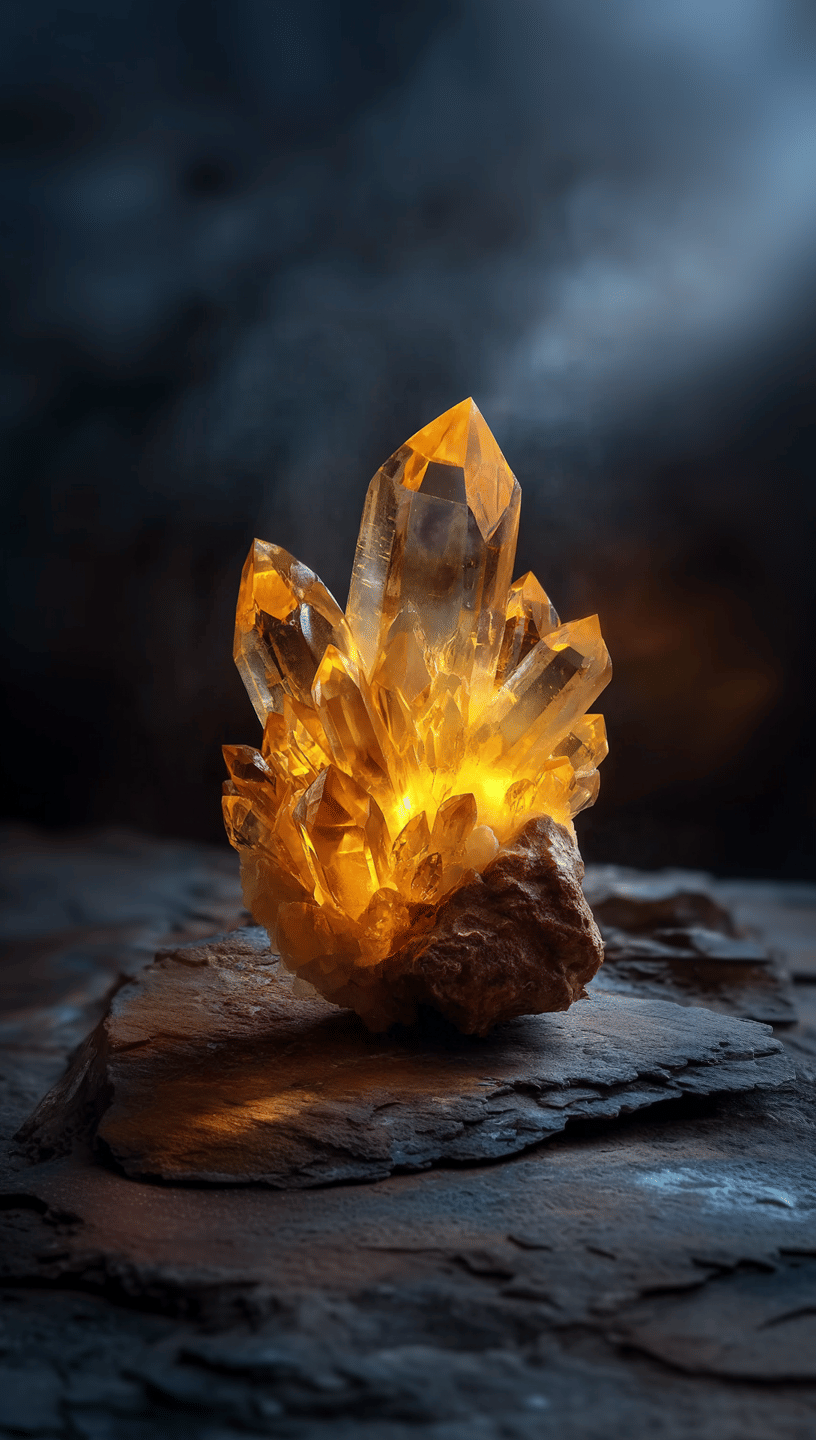
What is citrine?
The citrine birthstone is a golden-to-amber quartz that has symbolized joy, creativity, and prosperity for centuries. Its sunny appearance made it a favorite in European jewelry of the 1800s and 1900s, often set in bold blue topaz rings, brooches, and pendants.
Citrine properties & symbolism
Color range: From soft lemon yellow to deep honey, citrine evokes sunlight and warmth.
Durability: 7 on the Mohs scale, making it sturdy enough for everyday jewelry while still easy to cut into large statement stones.
Symbolism: Historically, citrine was carried as a charm for success, prosperity, and emotional balance. It’s also thought to inspire creativity and clear thinking, making it a gemstone for artists and innovators.
Origins: Brazil is the largest source, followed by Madagascar, Spain, and Russia. These regions produce citrine with rich golden hues that are highly prized in jewelry.
Historical use: Citrine was popular in the Art Nouveau and Victorian periods, often incorporated into rings and decorative brooches. Its cheerful color made it a symbol of optimism and positive energy in everyday life.
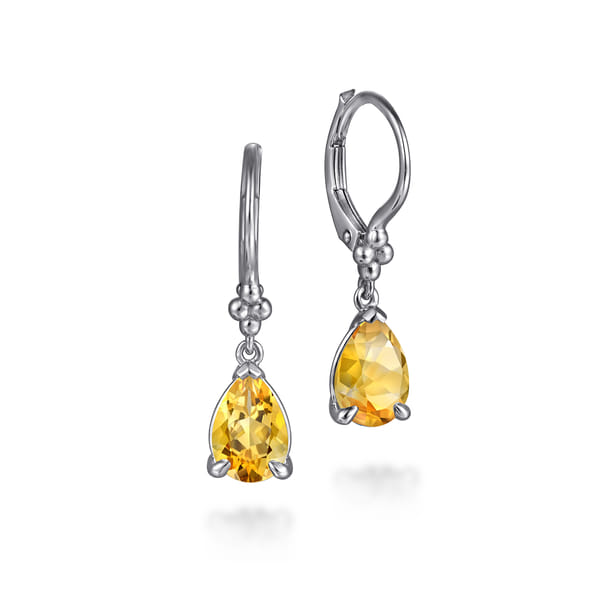
Citrine color: shades and origins
Citrine is a variety of quartz that ranges from pale yellow to rich amber. Its warm tones are mostly natural, though some stones are heat-treated to enhance their color. Each shade offers its own visual appeal, making citrine a versatile gemstone for jewelry.
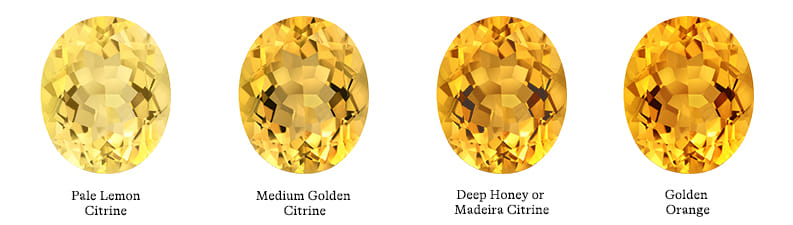
| Citrine shade | Origin of color | Why it matters |
| Pale lemon citrine | Natural quartz with low iron content, producing a soft, sunny yellow. | Its delicate hue makes it ideal for jewelry that feels light, cheerful, and perfect for everyday wear. |
| Medium golden citrine | Natural or lightly heat-treated quartz to deepen the yellow tone. | This is the classic citrine tone most commonly associated with November birthstone jewelry, offering a warm, inviting look. |
| Deep honey or Madeira citrine | Usually heat-treated to achieve rich amber or honey shades. | Its luxurious tone makes it a striking choice for statement pieces like rings, pendants, and bracelets. |
| Golden orange citrine | Rare natural variation or heat-enhanced quartz. | A bold, vibrant shade that adds warmth and depth to any piece of jewelry. |
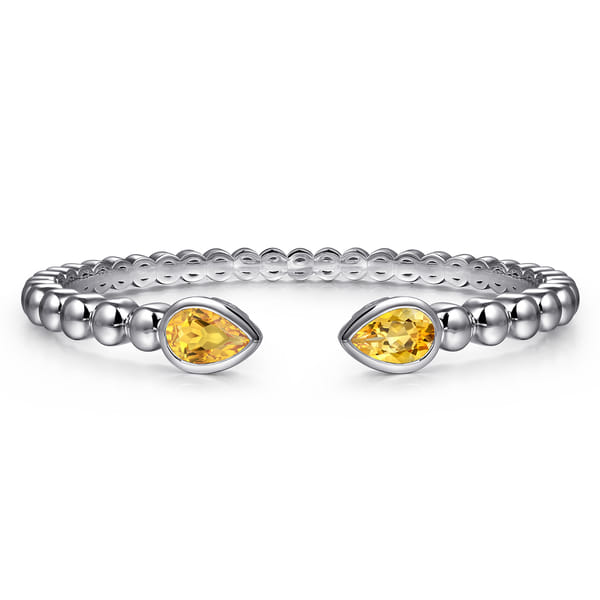
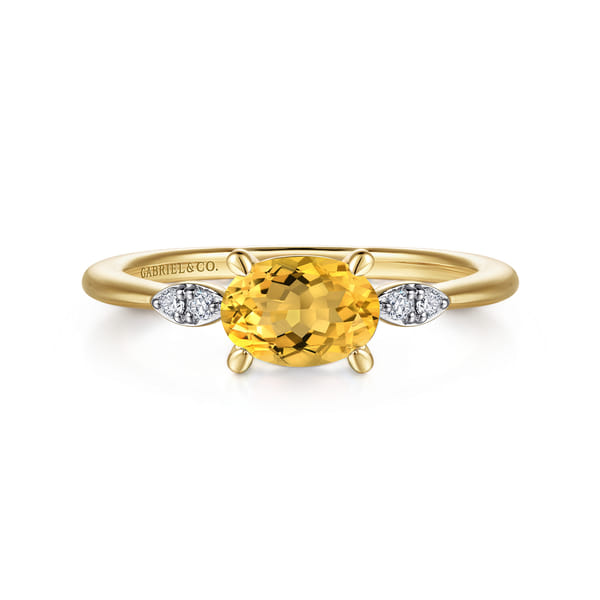
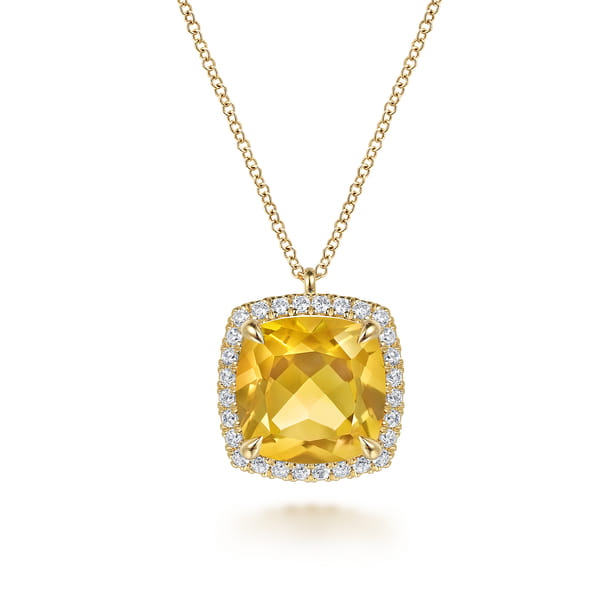
Citrine’s warmth and approachable energy make it a perfect complement to November’s season, reflecting the golden tones of late autumn. Celebrate a loved one with our citrine rings, citrine earrings, or citrine necklaces, each designed to capture this vibrant, joyful gemstone
Citrine vs topaz: understanding the differences
Although topaz and citrine can look similar, they are entirely different minerals, each with unique qualities:
| Feature | Topaz | Citrine |
| Mineral family | Silicate | Quartz |
| Hardness | 8 (very durable) | 7 (durable, slightly softer) |
| Color range | Golden yellow, amber, pink, blue, imperial, colorless | Pale lemon yellow to deep honey |
| Symbolism | Strength, focus, inner clarity, renewal | Joy, optimism, emotional balance, creativity |
| Historical significance | Ancient roots: Greek, Egyptian, medieval protective talisman; favored by royalty | Popular in 19th–20th century European jewelry; associated with prosperity, positivity, and artistic inspiration |
| Durability in jewelry | Excellent for rings and daily wear; requires care along natural cleavage planes | Great for rings, pendants, and earrings; easy to cut into larger stones |
What’s the difference between citrine and topaz? Topaz is a silicate mineral with a hardness of 8 and comes in many colors including blue and imperial gold. Citrine is a quartz variety with a hardness of 7 and appears in yellow to amber tones. Topaz is harder, while citrine is typically more affordable.
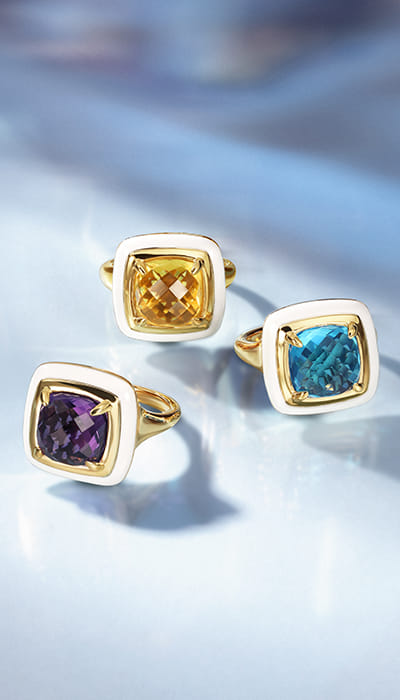
Choosing Your November Birthstone
So, which November gemstone should you choose? If you’re drawn to history, mystery, and a stone that carries centuries of myth and significance, topaz might feel like the perfect fit. Its golden warmth and impressive durability make it a gemstone you can wear daily while carrying a piece of the past with you.
If, on the other hand, you’re drawn to sunshine in a stone, a gemstone that radiates positivity and sparks creativity, citrine could be calling your name. Its cheerful glow seems to mirror the golden autumn light of November, lifting your spirits with every glance.
Of course, you don’t have to choose just one. Some jewelry lovers enjoy wearing both, layering them in rings, necklaces, or bracelets to combine the strength and clarity of topaz with the warmth and optimism of citrine. Whatever you pick, let your gemstone jewelry reflect your personality. After all, these gems have been celebrated for centuries for the energy, meaning, and beauty they bring to the wearer.
FAQs
Is citrine a good birthstone for November?
Yes. Citrine is one of November’s official birthstones and is appreciated for its warm golden color, positive symbolism, and approachable price point.
How can you tell if citrine is natural or heat-treated?
Natural citrine is usually a soft, pale yellow with slight color variations. Heat-treated citrine tends to be deeper orange or brownish with a more uniform tone. A gemologist can confirm for sure.
Is citrine expensive?
Citrine is generally affordable because it’s widely available, especially in heat-treated form. Natural citrine is rarer and can be priced higher.
Does citrine fade in sunlight?
It can. Strong or prolonged sunlight may lighten citrine over time, so it’s best to store the stone away from heat and direct light.
Is citrine good for everyday wear?
Yes. With a Mohs hardness of 7, citrine is durable enough for regular use, particularly in pendants and earrings. Rings are fine too with moderate care.
Is topaz a strong and durable gemstone?
Topaz is hard at Mohs 8, but it can chip if struck due to its cleavage. It holds up beautifully in earrings and pendants; rings just need more mindful wear.
Why is blue topaz so common?
Most blue topaz starts as colorless topaz and is treated through irradiation and heating. The process creates bright blues that are widely available and budget-friendly.
What is Imperial Topaz and why is it expensive?
Imperial Topaz is a rare natural variety with peachy-gold or pinkish-orange tones. Its scarcity and long association with royalty make it one of the highest-value topaz types.
Is topaz a November or December birthstone?
Topaz, especially golden and Imperial, is officially a November birthstone. Blue topaz is sometimes linked to December because of its color, but it’s not the official December stone.
Does topaz change color or fade?
Topaz is generally stable, though some treated blue topaz may fade under extreme heat. Natural yellow and pink topaz typically hold their color well.
Celebrating someone special soon? Dive into our birthstone jewelry collection and choose a gift that reflects who they are.