Good to Have You Back

When you put on a bracelet, you probably think about how it looks on your wrist. The chain. The stones. The vibe. The clasp usually comes last, if it comes up at all. But the clasp is the reason a bracelet stays on, comes off easily, or ends up sitting in your jewelry box because it is annoying to wear. Some clasps are made for daily use. Others look great but need a little patience. Once you know the difference between different types of bracelet clasps, choosing one gets a lot easier.
Here is a breakdown of the most common bracelet clasps and where you will usually see them.
Lobster clasp
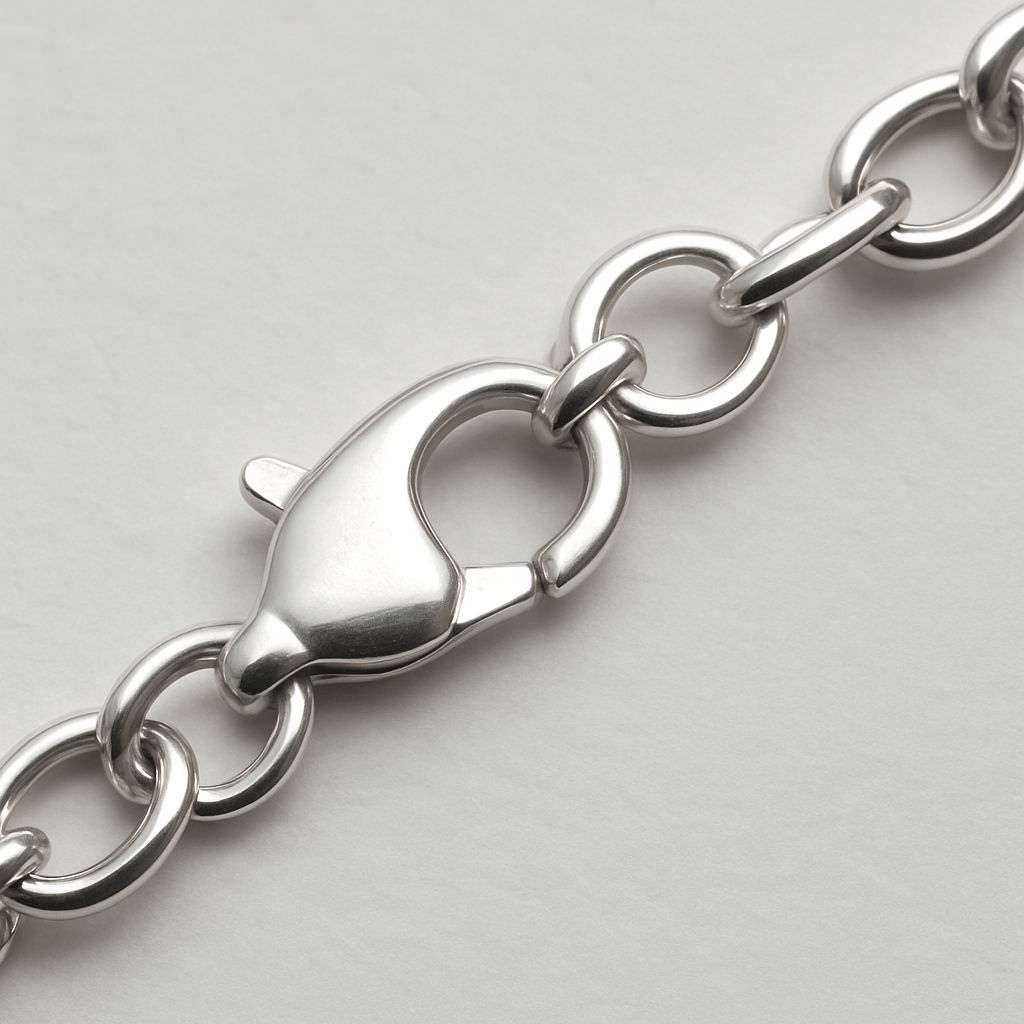
This is one of the most popular clasp types, and for good reason. It opens and closes with a small spring-loaded lever that snaps shut securely.
You’ll most often find lobster clasps on chain bracelets, charm bracelets, and fine jewelry styles meant for regular wear. They’re sturdy, dependable, and less likely to open accidentally, which makes them a favorite for bracelets you don’t want to think twice about once they’re on your wrist.
Spring ring clasp
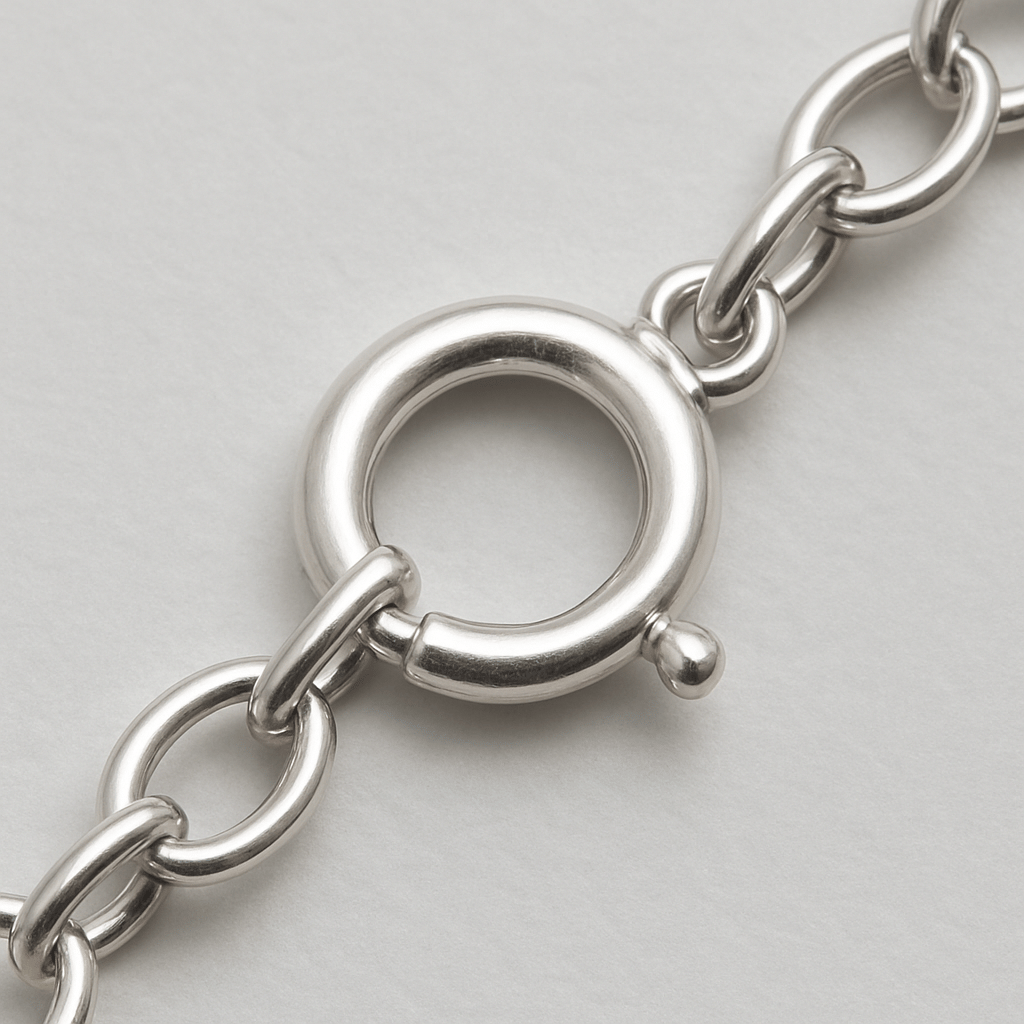
Spring ring clasps are circular with a tiny spring mechanism inside. Pulling back the small lever opens the ring; releasing it closes the clasp.
They’re commonly used on lightweight chain bracelets and delicate designs. While they’re neat and unobtrusive, smaller spring ring clasps can be tricky to fasten by yourself, especially if the bracelet is very fine.
Toggle clasp
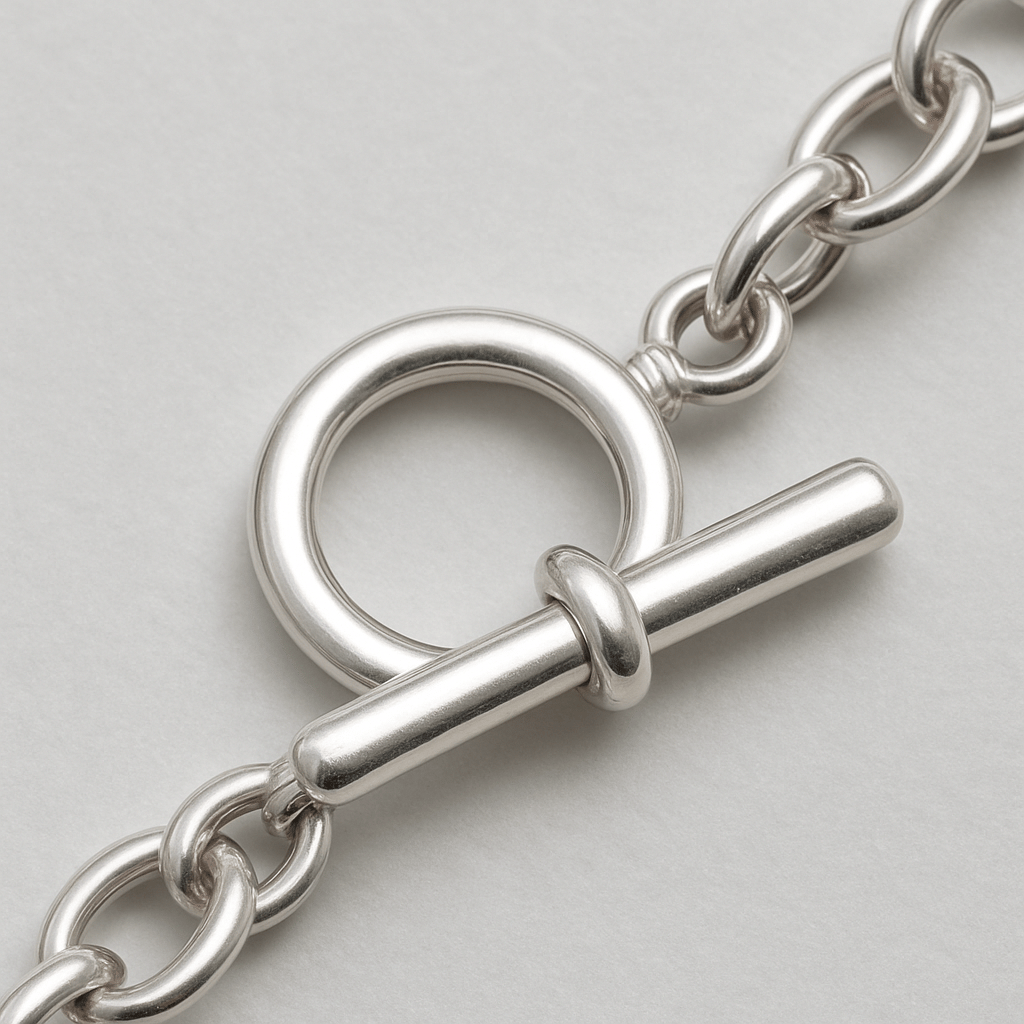
A toggle clasp is made up of two parts: a bar and a loop. You close it by sliding the bar through the loop.
These clasps are often used on bracelets where the clasp is meant to be seen, not hidden. You’ll find them on statement chains, beaded bracelets, and fashion-forward designs. They’re generally easy to use, but they work best when the bracelet fits the wrist properly so the bar stays securely in place.
Magnetic clasp
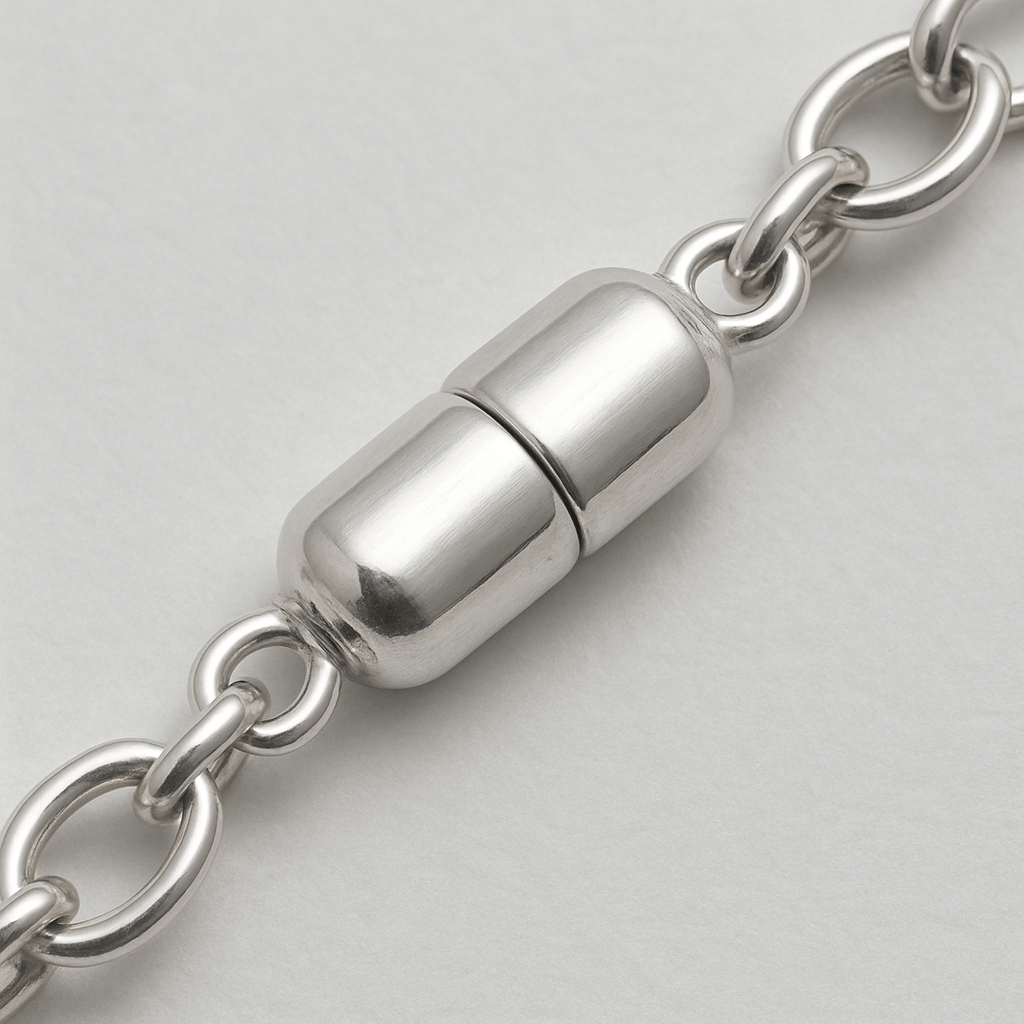
Magnetic clasps snap together using magnets, making them one of the easiest options to fasten.
They’re popular on casual bracelets, multi-strand designs, and pieces made for convenience. While they’re great for quick wear, they’re better suited to lighter bracelets, as magnets can separate under tension if the piece is heavy.
Box clasp
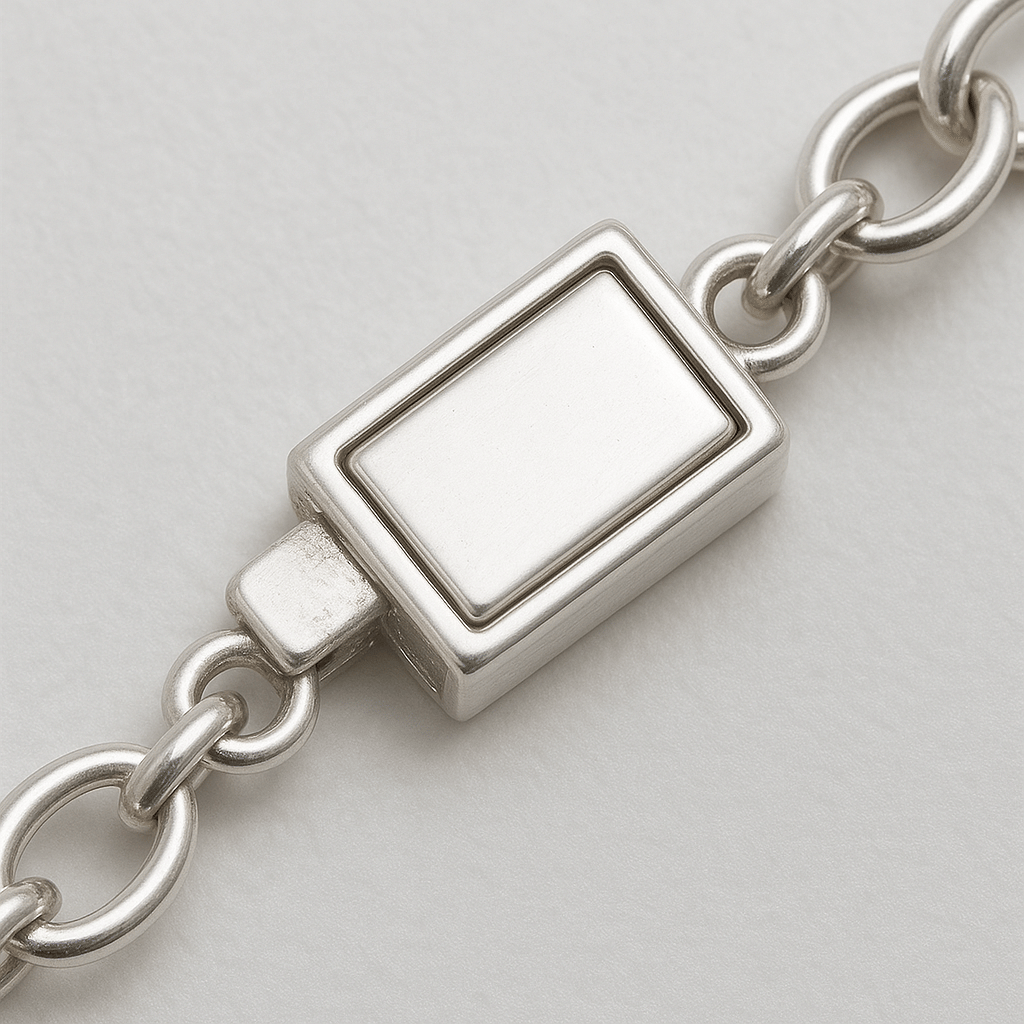
A box clasp slides one end into the other until it clicks into place, often with additional safety latches on the sides.
You’ll frequently see box clasps on tennis bracelets, link bracelets, and more structured designs. They offer a clean look and added security, especially when combined with side locks.
Hook clasp
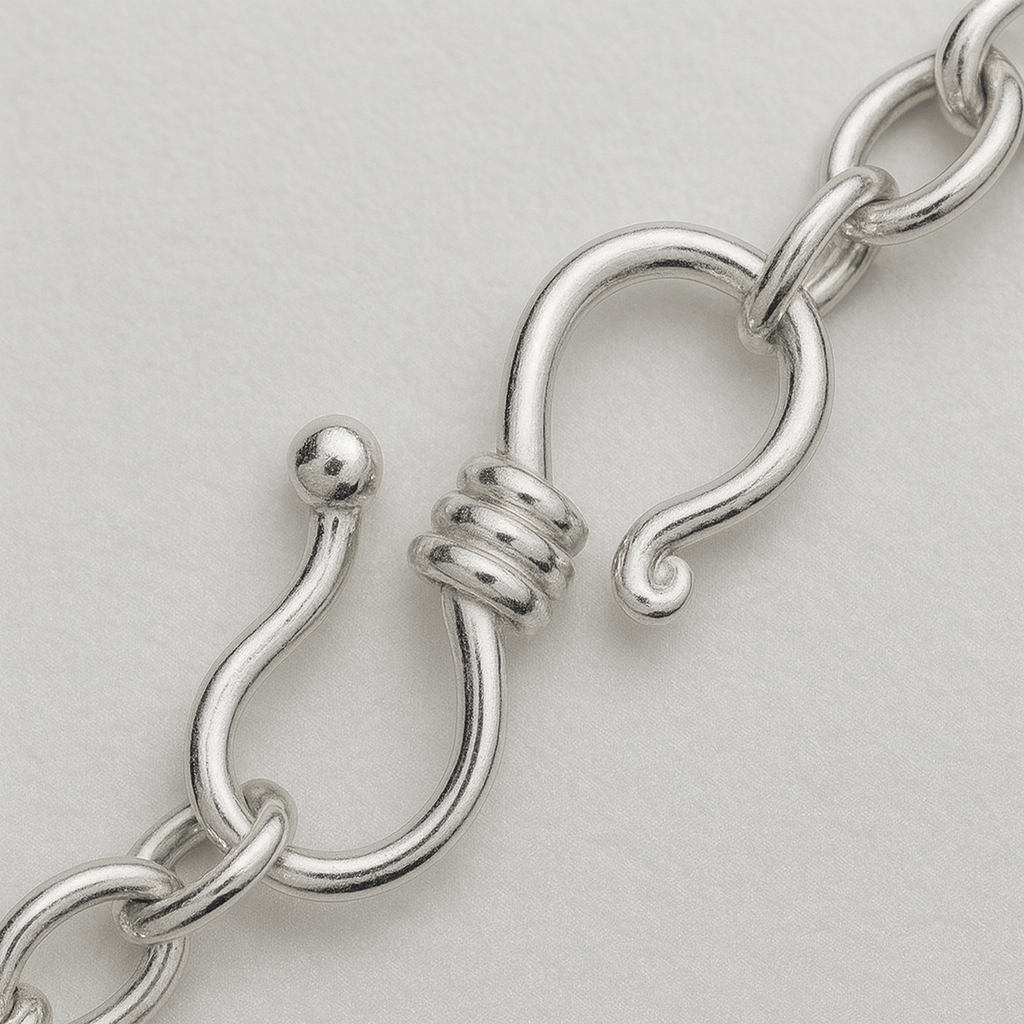
Hook clasps use a curved hook that fastens into a loop or ring.
This style is often found on chain bracelets, handcrafted designs, and more organic or artistic pieces. It’s simple, functional, and can add a subtle design element depending on how it’s shaped.
Fishhook clasp
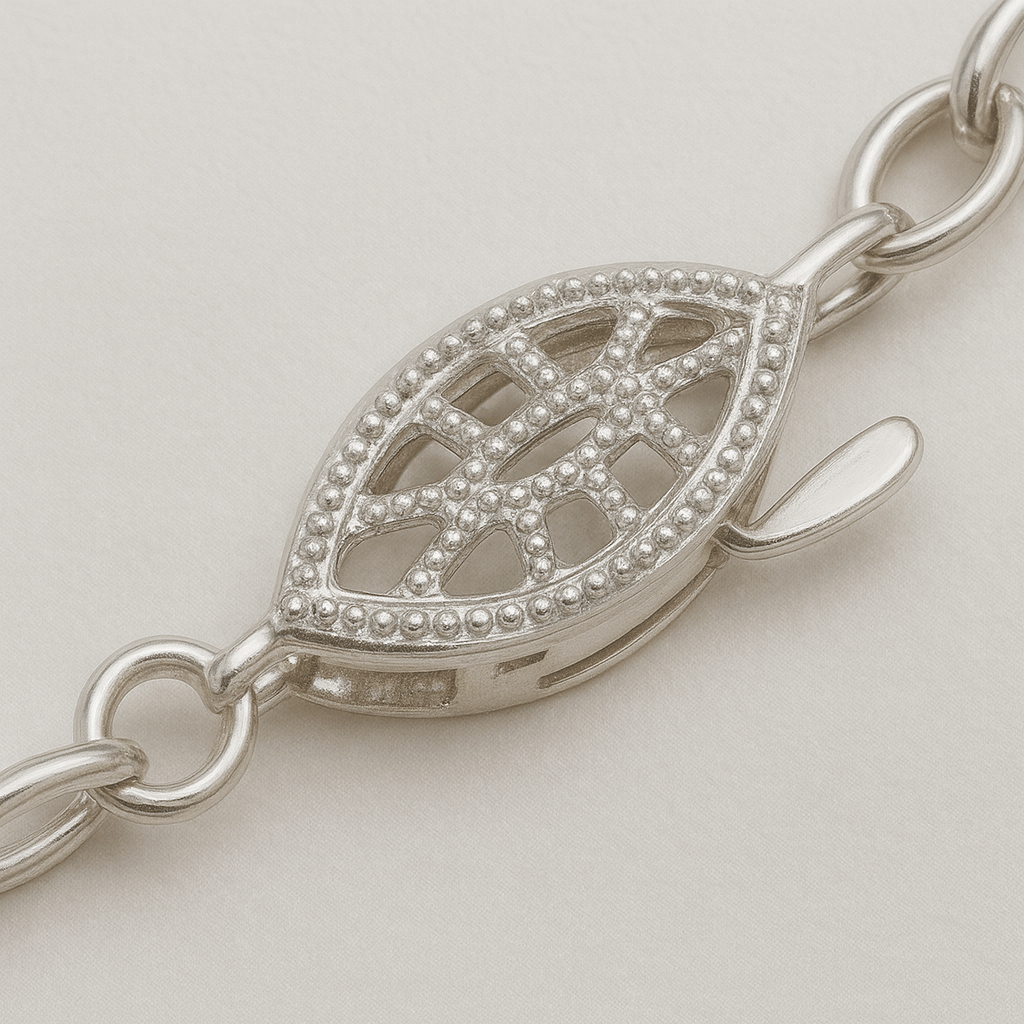
Fishhook clasps feature a long, curved hook that slides into an oval or decorative box.
They’re commonly used on pearl bracelets and vintage-inspired styles. The design feels traditional and decorative, and many include a small safety latch for added peace of mind.
Barrel clasp
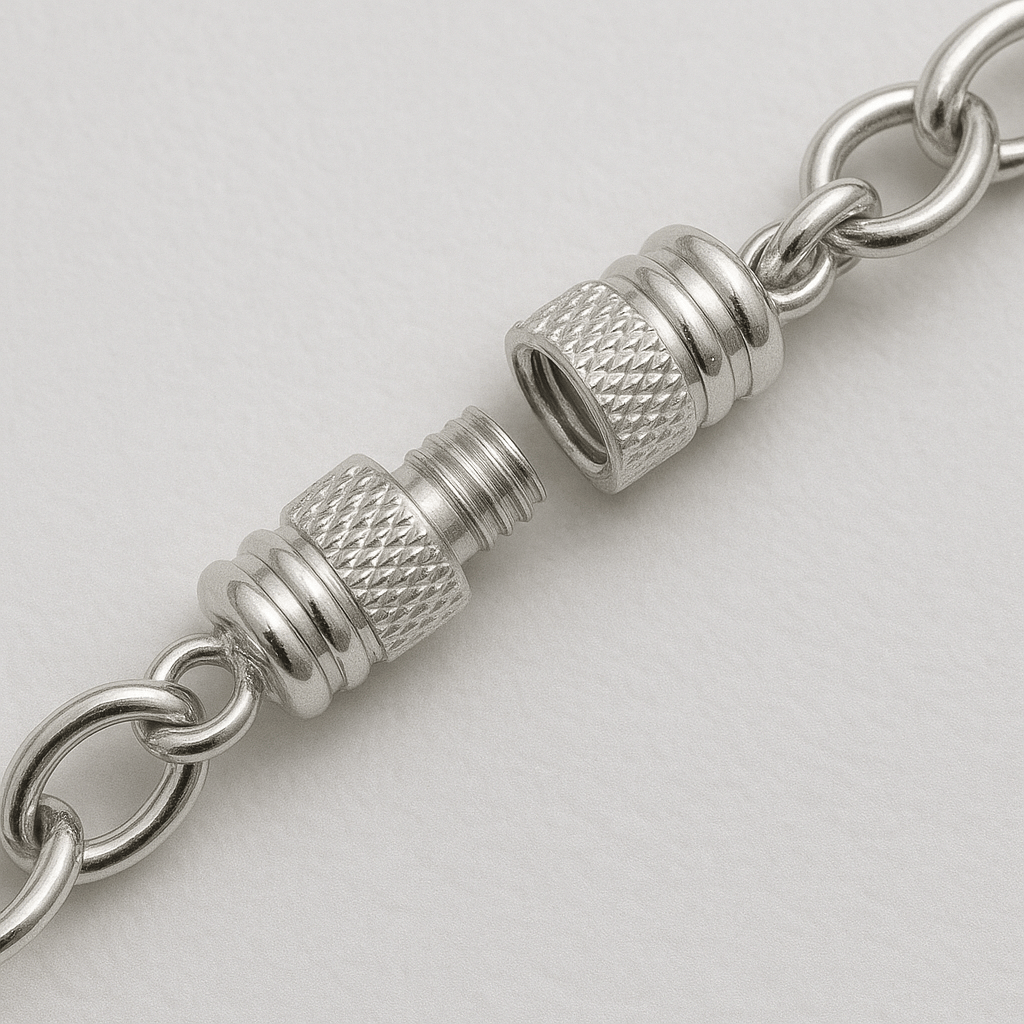
Barrel clasps screw together, with one end twisting into the other.
They’re often used on beaded bracelets, gemstone strands, and some pearl designs. When tightened properly, they’re quite secure, though they do require a bit more time and dexterity to fasten.
Slide clasp
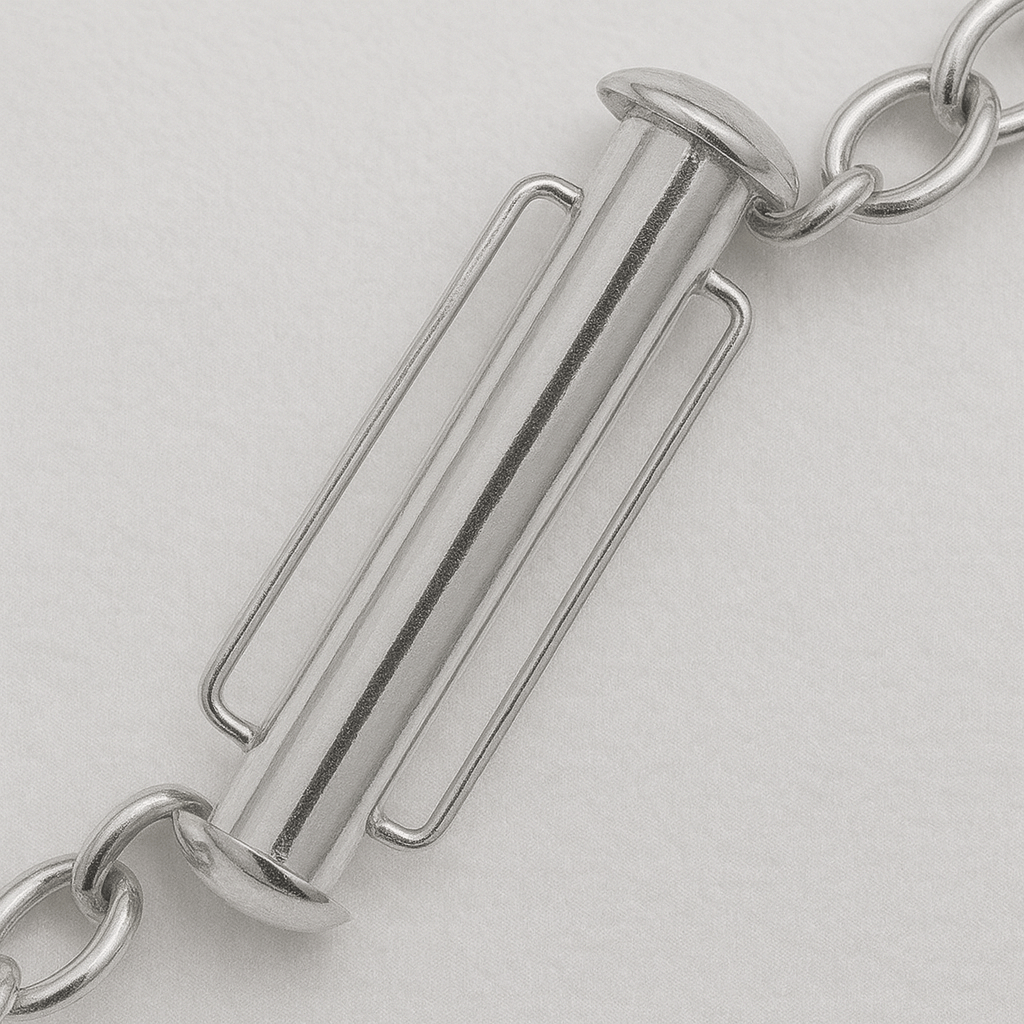
Slide clasps allow multiple strands or links to slide into a flat locking mechanism.
You’ll usually see them on multi-strand bracelets and tennis-style designs. They create a streamlined look and often include side locks to keep everything securely in place.
Fold-over clasp
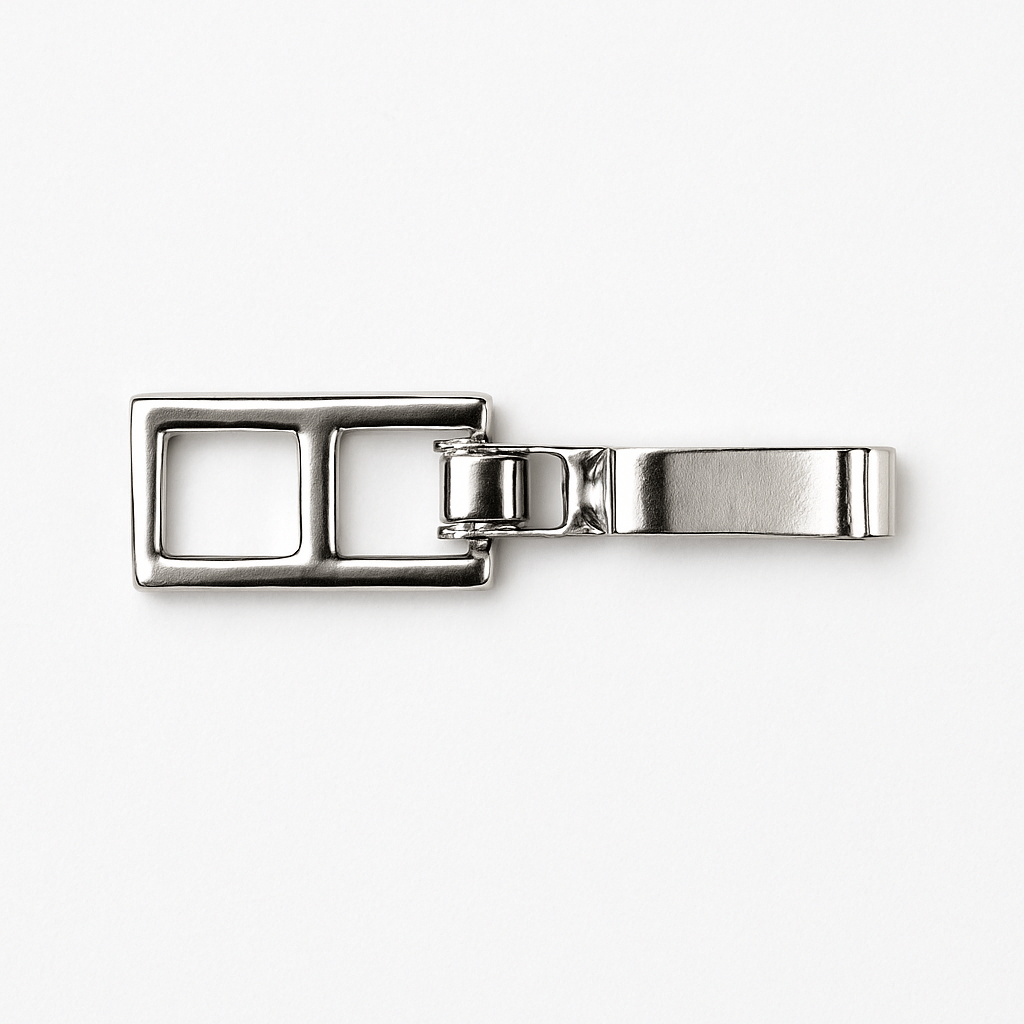
This clasp closes with a hinged piece that folds over and snaps shut.
It’s commonly used on metal bracelets and watch-style designs. Fold-over clasps feel solid and are designed for bracelets that sit firmly on the wrist.
Adjustable clasp
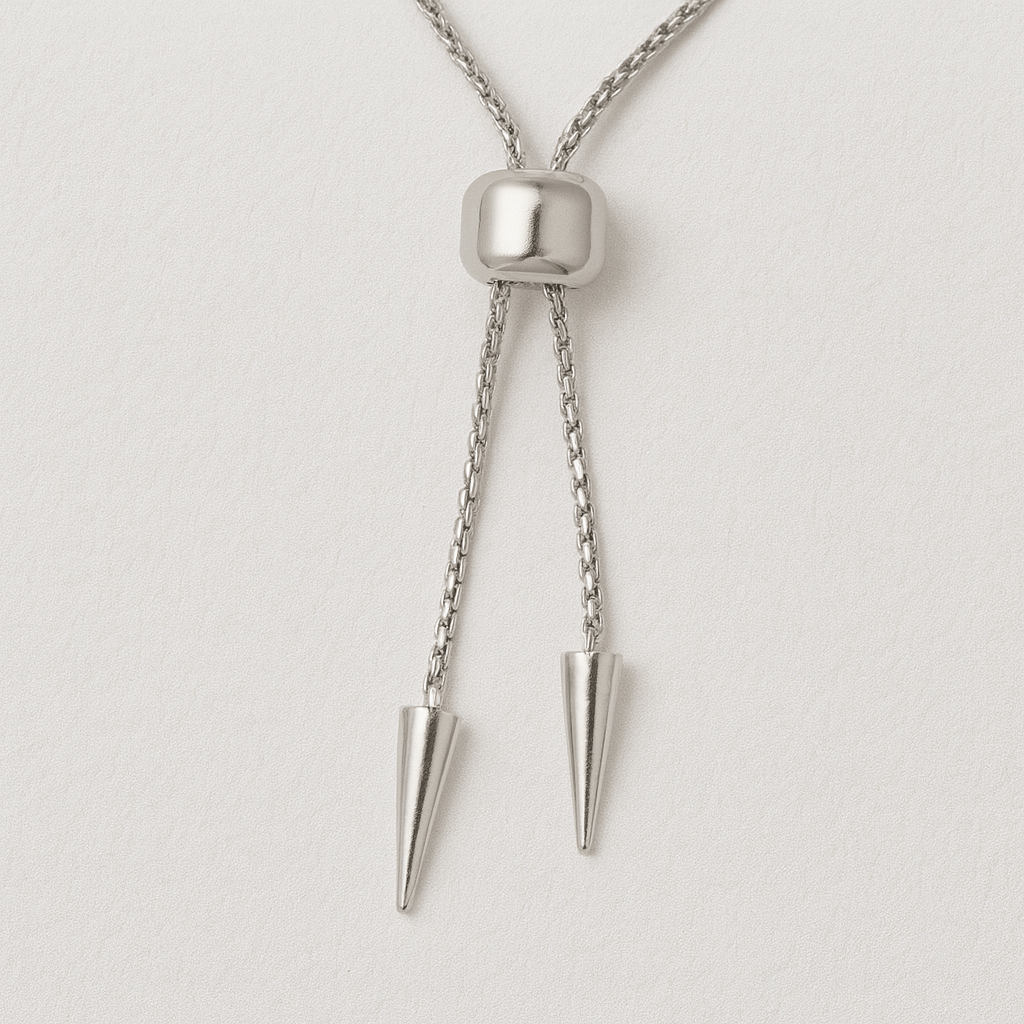
Adjustable clasps use a sliding mechanism that lets you change the bracelet’s length.
They’re most often found on bolo-style bracelets and modern designs meant to fit a wide range of wrist sizes. This clasp is especially popular for gifting, since it removes the guesswork of sizing.
Infinity clasp
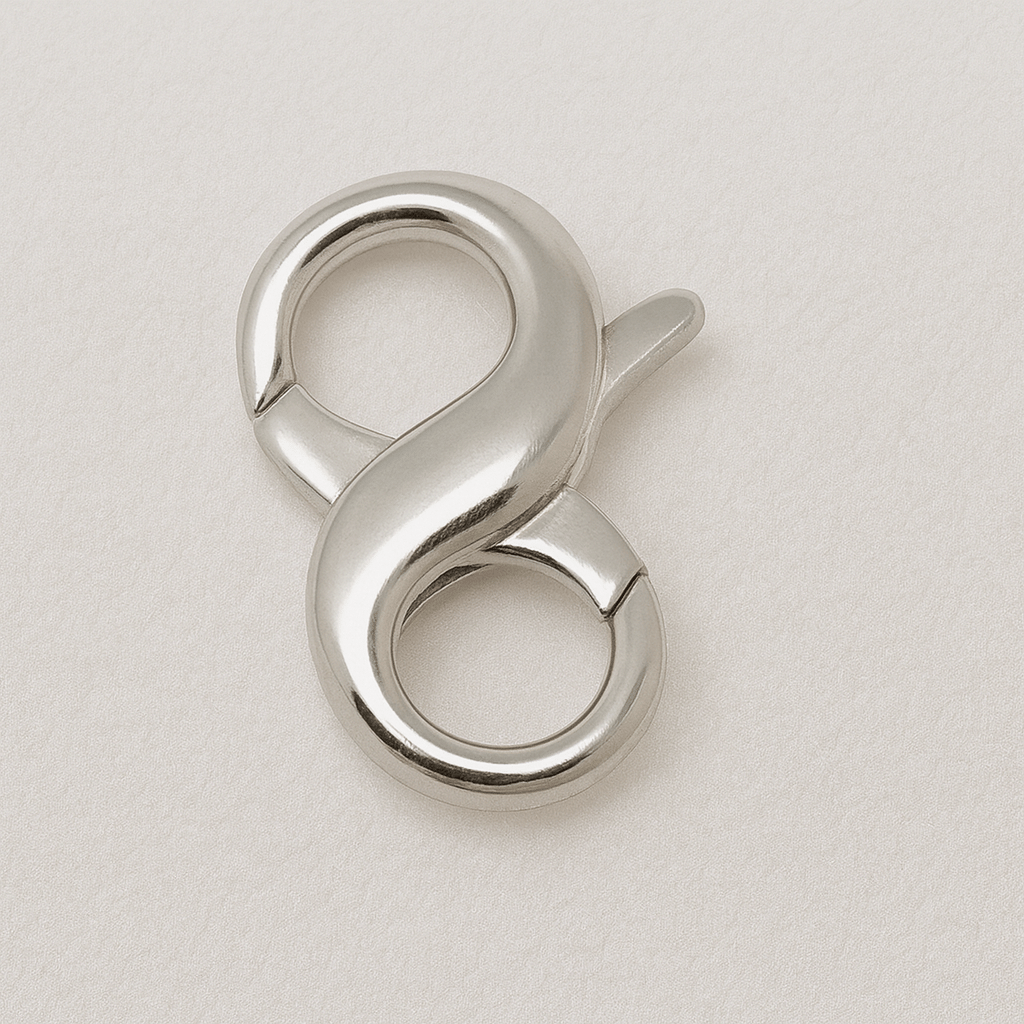
Infinity clasps loop one end through another in a figure-eight-style design.
They’re usually decorative and found on fashion bracelets or symbolic pieces. In these designs, the clasp often blends into the bracelet itself rather than standing apart.
Why the clasp actually matters
A clasp affects how often you reach for a bracelet and how easy it is to wear. Secure bracelet clasps and ones that are simple to fasten can make jewelery pieces a part of your routine instead of something you save for later.
Struggling to put on a bracelet by yourself? Check out our dedicated blog post.