Good to Have You Back
What is December's birthstone? December has three traditional birthstones: turquoise, tanzanite, and zircon. Blue topaz is also widely associated with December due to its bright blue color and durability. Each gemstone offers a different shade of blue and unique symbolism.
December Birthstone Fast Facts
- Primary stones: Turquoise, Tanzanite, Zircon
- Modern association: Blue Topaz
- Common colors: Shades of blue (sky blue to violet-blue)
- Durability (Mohs): 5–8 depending on the stone
- Best jewelry types: Earrings, pendants, rings

December has three traditional birthstones: turquoise, zircon, and tanzanite. Blue topaz was added later and quickly became part of the story, especially for anyone who loves a crisp winter blue with extra durability. With four gemstones tied to one month, December feels like a small treasure chest. Some stones carry centuries of legends, while others were discovered in modern times.
The common thread? A cool, wintry palette that mirrors December’s icy skies and deep twilight blues. But beneath the surface, each gem has its own story, quirks, strengths, and care needs. Here’s an in-depth look at all four blue gemstones.
December birthstone meaning
Before we go in-depth with each gemstone, let’s get the meanings on the table. December’s stones may all live in the blue family, but each one brings its own personality and purpose.
- Turquoise meaning: Often seen as a steadying force. Many people turn to it for protection, grounding, and a sense of calm when life feels a bit chaotic.
- Tanzanite meaning: Linked to shifts, growth, and fresh chapters. Its blue-violet tone reflects that feeling of stepping into something new with clarity and curiosity.
- Zircon meaning: Known for sharpening focus and boosting mental clarity. If you’re craving direction or trying to sort through thoughts, this stone is all about clearing the fog.
If you’re curious about the meaning of blue topaz, the fourth and unofficial gemstone associated with December, check out our blog on November’s birthstones.
Turquoise vs tanzanite vs zircon vs blue topaz
| Property | Tanzanite | Turquoise | Zircon | Blue Topaz |
| Natural Color | Blue to violet | Sky blue to greenish | Blue | Pale blue to dark blue |
| Heat Treatment | Common | Stabilization common | Common | Common |
| Mohs Hardness | 6 to 7 | 5 to 6 | 6.5 to 7.5 | 8 |
| Best For | Occasional rings, earrings, pendants | Earrings, pendants, beads | Earrings, pendants, and protected rings | Daily wear rings, all jewelry |
| Sensitivity | Prone to chipping | Sensitive to chemicals and moisture | Brittle at edges | Sensitive to sharp impacts |
| Geographic Origin | Tanzania only | Worldwide | Sri Lanka, Cambodia, Australia | Worldwide |
| Care Needs | Gentle cleaning only | Very gentle, avoid all chemicals | Avoid steam and ultrasonic | Mild care, avoid sharp hits |
What is tanzanite?
Origins and history
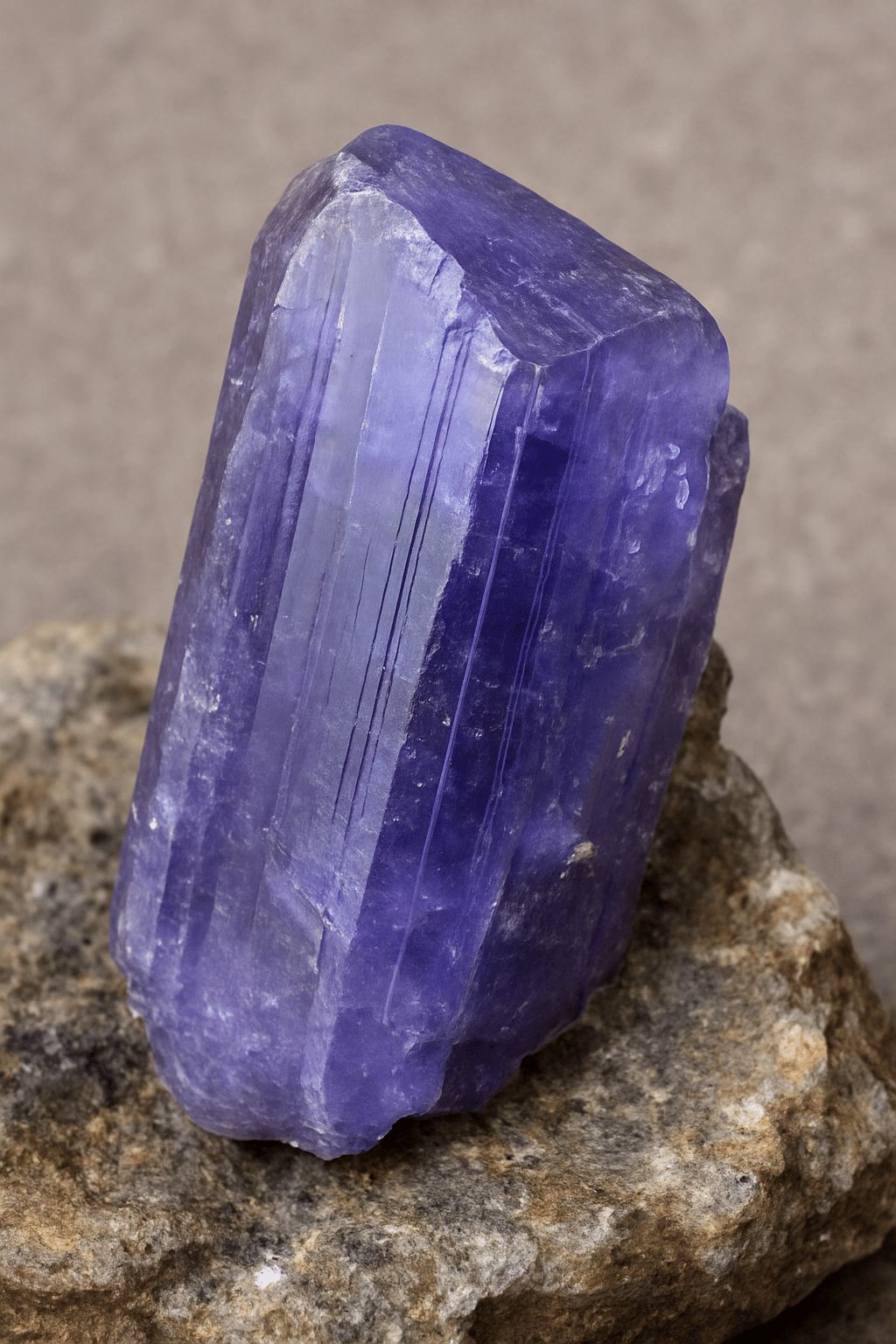
Tanzanite is a gemstone with a story as dramatic as its color. Discovered in the late 1960s near Mount Kilimanjaro in northern Tanzania, it has one of the most exclusive addresses in the gem world. It literally does not grow anywhere else on Earth. Its rarity gives it a sense of magic, as though it were waiting for this moment to be discovered.
Tanzanite color and appearance
What makes tanzanite captivating is the way it changes before your eyes. Tilt it, and you will see shades shift from deep sapphire to violet, even catching a hint of burgundy in the right light. Heat treatment is used to bring out its signature blue-violet, turning each rough stone into a jewel that feels alive.
Durability and care
Tanzanite is not the sort of stone you throw in your pocket and forget about. With a hardness of 6 to 7, it is best in gold earrings, necklaces, or rings worn with care. A little soap and lukewarm water keep it gleaming, but harsh cleaners and bumps can leave it scarred. Handling it gently is part of the charm.
What is turquoise?
Origins and history
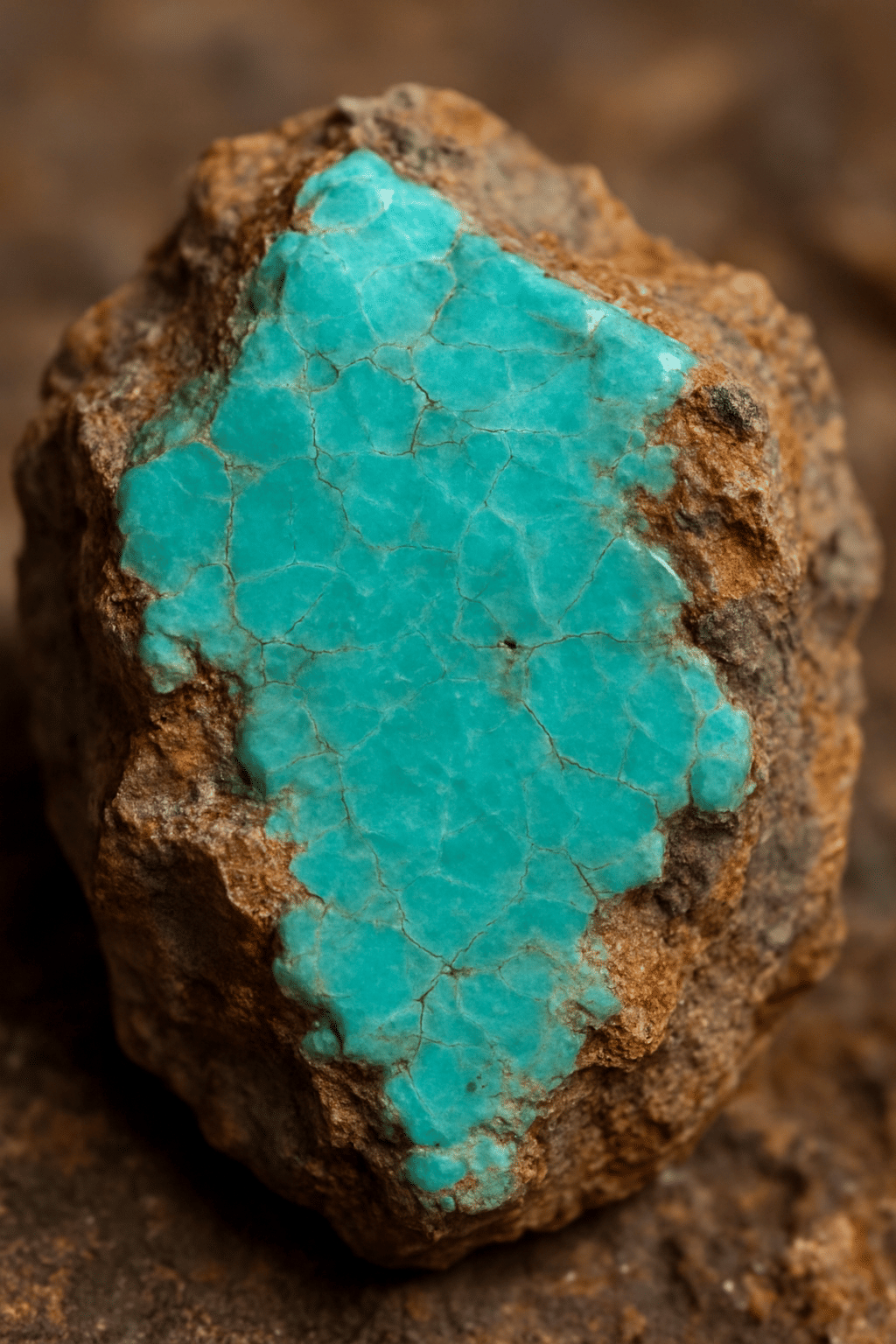
Turquoise has been capturing imaginations for thousands of years. From the tombs of ancient Egypt to Persian jewelry and Native American artistry, its history is rich and colorful. The stone’s most famous homes include Iran, Egypt, Tibet, and the deserts of the American Southwest, particularly Arizona and Nevada. Many cultures believed it carried protective powers and that wearing it could bring good fortune.
Turquoise color and appearance
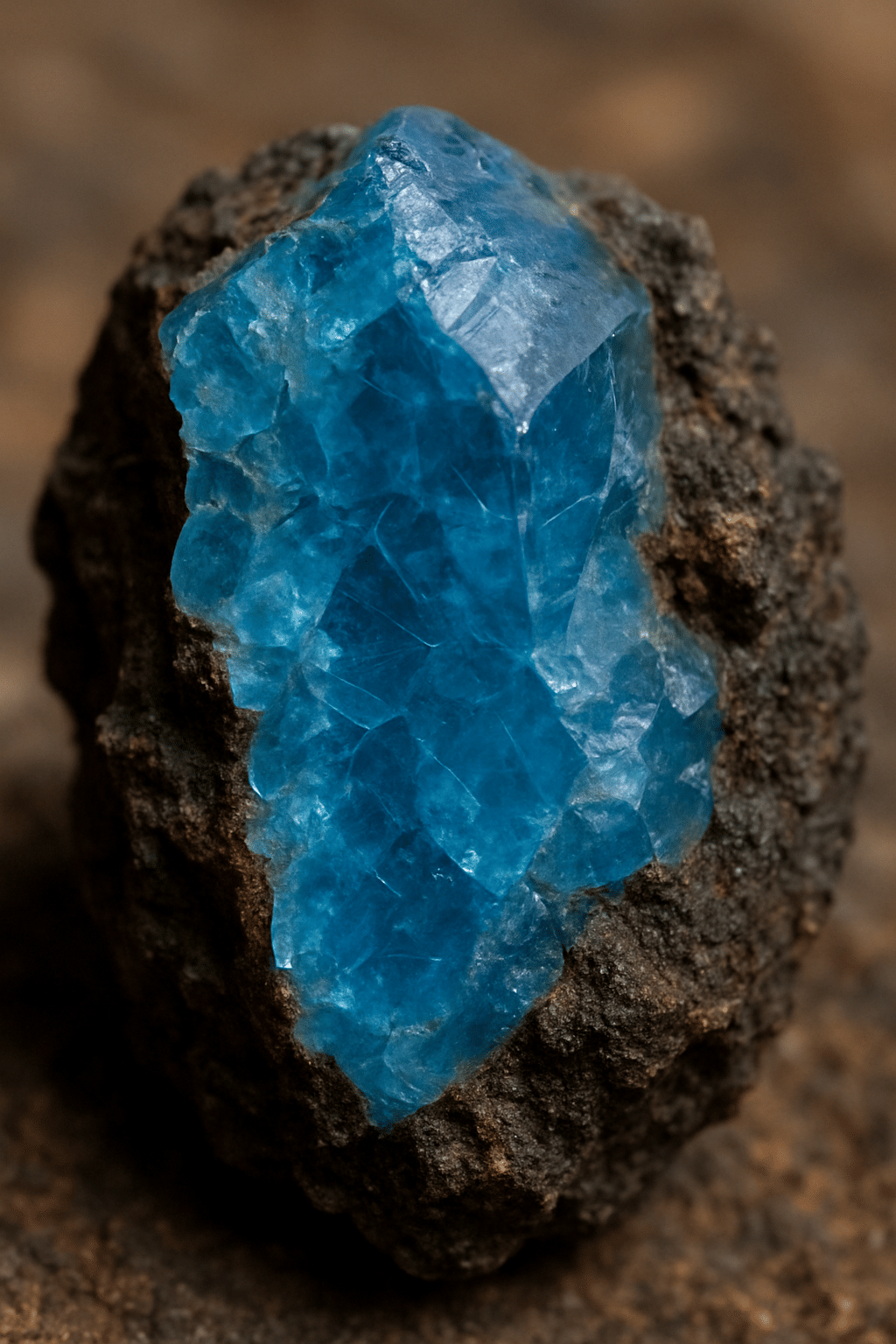
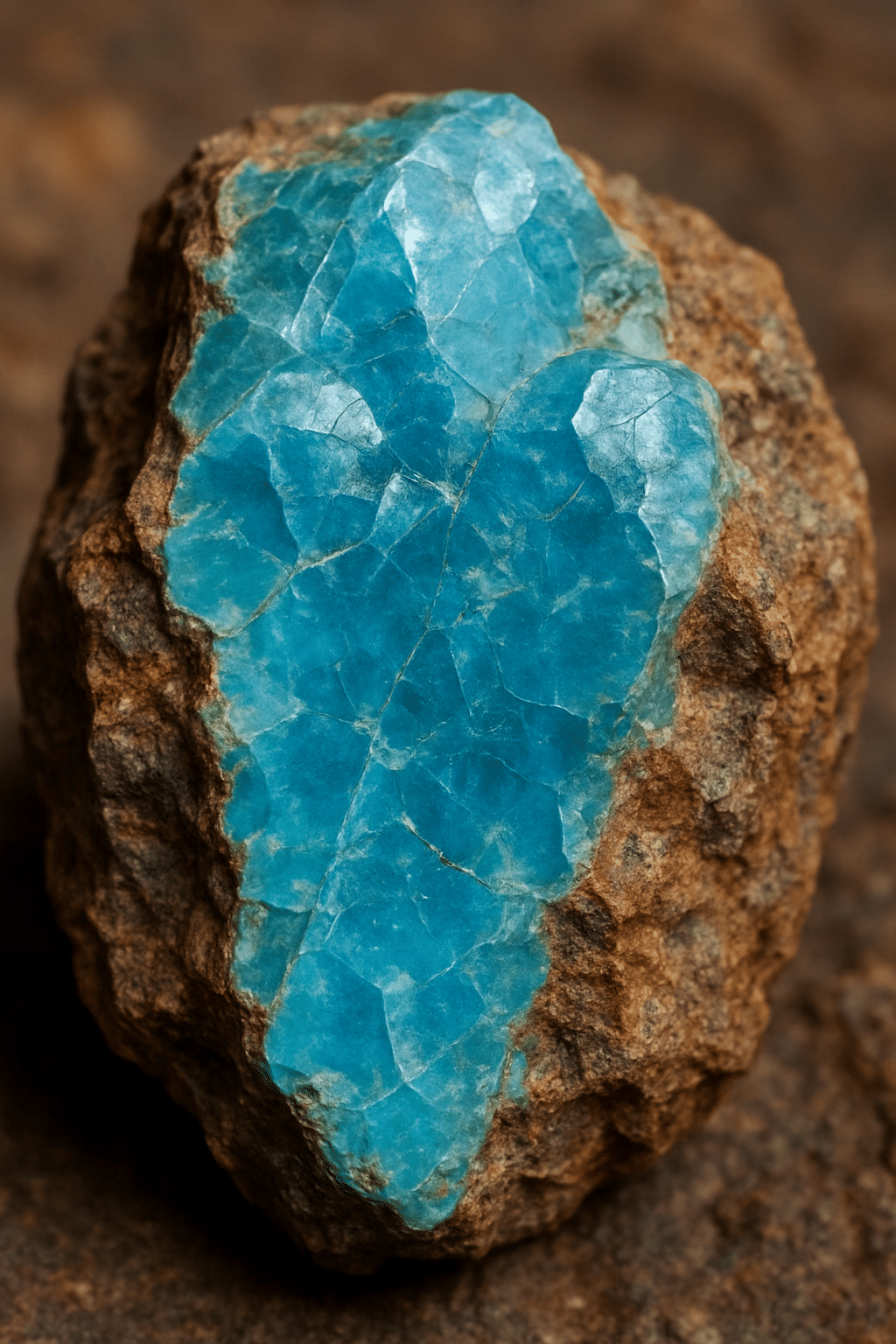
The sky seems to have been captured in turquoise’s range of blues, from soft robin’s egg to greenish tones. Some stones carry dark veins, or matrix patterns, that add character and make each piece unmistakably unique. High-quality turquoise shines with a vivid, even color, and gentle stabilization helps it stay strong and beautiful for generations.
Durability and care
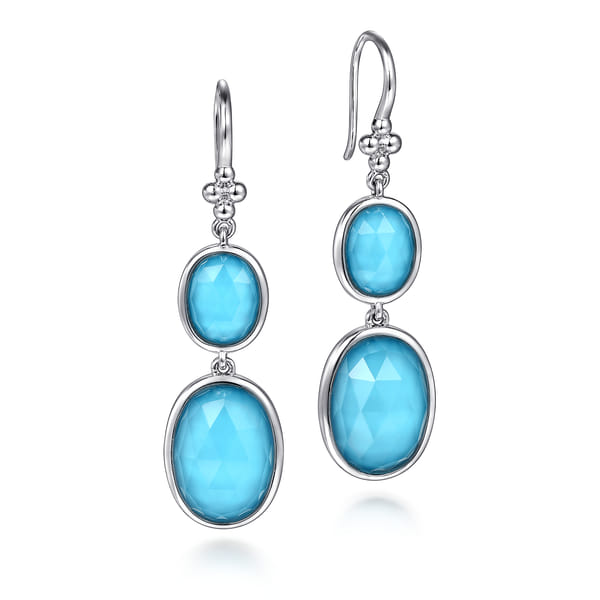
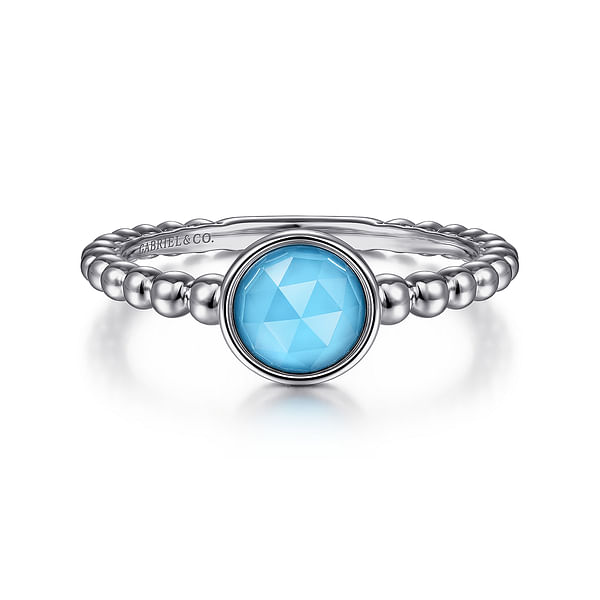
Turquoise is delicate, softer than most stones, and sensitive to oils, cosmetics, and sunlight. That makes it best for earrings, pendants, or gold rings that get occasional wear. Never soak it in water or use steam cleaners. A gentle wipe is all it needs to glow.
What is zircon?
Origins and history
Zircon is like a gemstone time capsule. Some crystals are over four billion years old, giving them a claim to some of the oldest materials on Earth. Found in places such as Cambodia, Sri Lanka, Myanmar, Australia, and Tanzania, zircon has long been prized for its brilliance, sparkling so intensely that it has been mistaken for diamonds throughout history.
Zircon colors and appearance
Zircon comes in a rainbow of natural colors, including golden yellow, warm brown, soft green, vibrant red, and even colorless. The colorless variety is especially brilliant and has often been mistaken for diamonds throughout history, thanks to its high refractive index and sparkling fire. For December birthstone purposes, bright blue zircon is most common, often enhanced through heat treatment. Every stone catches the light in a way that feels alive, with flashes and sparkle that hint at its ancient, billion-year-old origins.
Durability and care
Zircon is hard but can be brittle along its edges, making protective settings ideal for rings. Necklaces and earrings are safe bets. A warm, soapy water rinse keeps it radiant, but avoid ultrasonic and steam cleaning to protect its brilliance.
What is blue topaz
Origins and history
Blue topaz is not one of the three traditional December birthstones, which are turquoise, tanzanite, and zircon. However, it is widely associated with the month due to its bright blue color and greater durability. Officially, topaz is November’s birthstone alongside citrine, yet its vibrant blue tones have earned recognition in December jewelry collections. Natural blue topaz is typically very pale, so safe treatments such as heat and irradiation enhance its Swiss Blue and London Blue hues, creating the vivid winter blues many people love.
Blue topaz color and appearance
Blue topaz grabs attention without trying too hard. Its shades span from soft, airy sky blue to deep, inky tones that almost glow in the light. With sparkling clarity and large, dramatic sizes, it’s a gemstone that loves to take center stage in rings, pendant necklaces, and statement pieces. Every facet catches the light and seems to sparkle with its own personality.
Durability and care
Topaz is the toughest of December’s birthstones, with a hardness of 8, so it can handle daily wear better than its softer siblings. It still deserves respect: sharp knocks can chip it along its natural cleavage. Warm, soapy water is all it needs to stay radiant, and occasional gentle cleaning keeps its icy blue sparkle at its best.
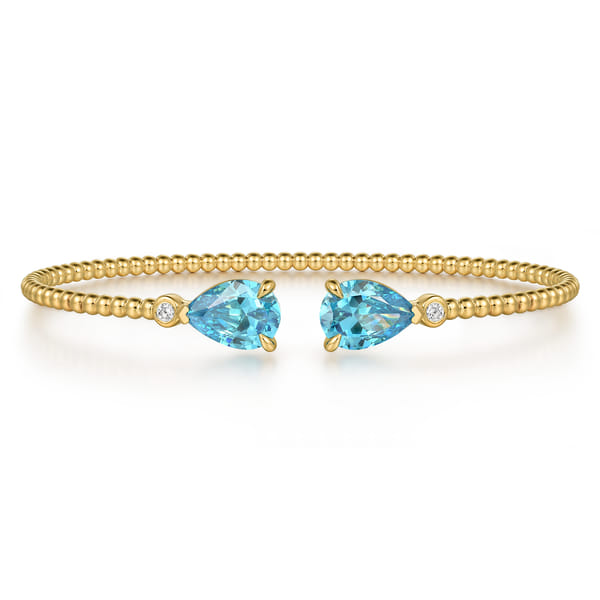
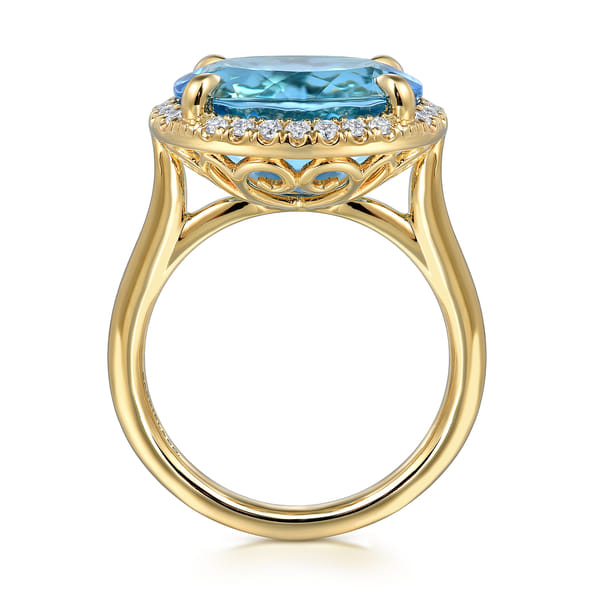
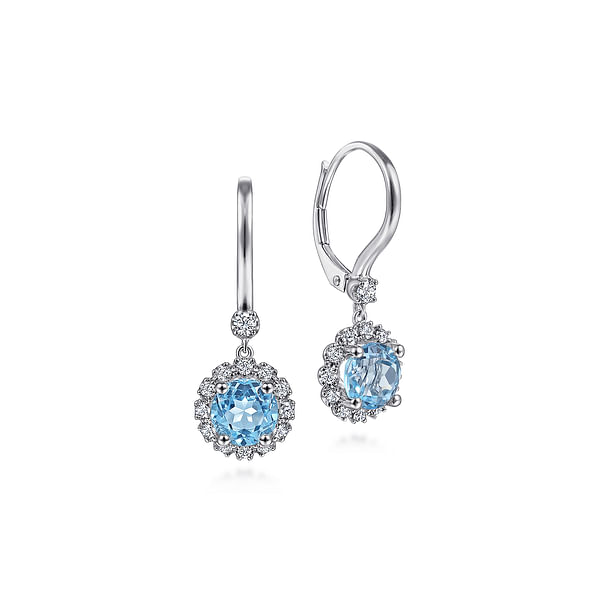
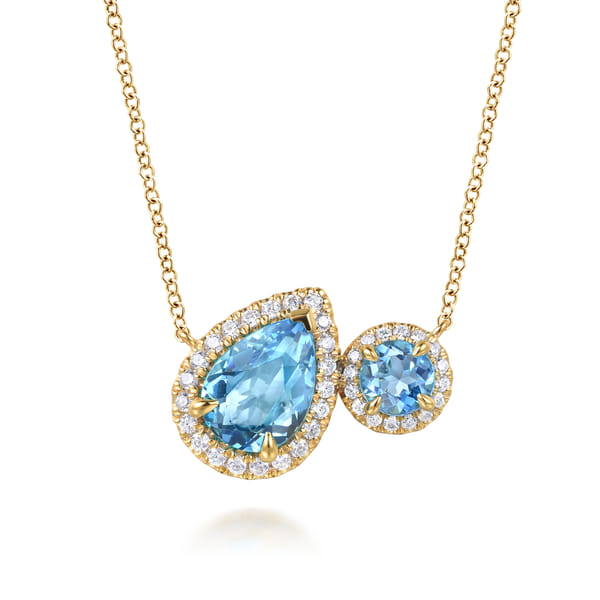
Check out our curated December birthstone collection, glistening with beautiful icy blue topaz pieces.
From the shifting blues of tanzanite to the earthy glow of turquoise, the sparkling fire of zircon, and the icy brilliance of blue topaz, December’s gemstones each bring their own magic to jewelry. Celebrate every month with a piece from our curated birthstone jewelry collection.
FAQs
What are the three December birthstones?
December’s three traditional birthstones are turquoise, tanzanite, and zircon. Blue topaz is also commonly associated with the month.
Why does December have more than one birthstone?
Unlike most months, December is associated with multiple gemstones to offer a variety of colors and styles. Each stone has its own story and appeal, giving more options for personal preference.
What does December’s birthstone symbolize?
Turquoise is linked to protection and good fortune. Tanzanite represents transformation and new beginnings. Zircon is associated with clarity, wisdom, and a sense of balance.
What color is December’s birthstone?
All three stones are shades of blue. Turquoise ranges from soft sky blue to greenish hues. Zircon typically appears bright, clear blue. Tanzanite offers a rich violet-blue that can shift depending on the light.
Is turquoise or tanzanite better for December birthstone jewelry?
It depends on what you value. Turquoise has historic significance and distinctive color patterns, but is softer and more delicate. Tanzanite provides deeper, shifting blues but is also fragile. Zircon is a bit more durable while still sparkling.
Is December’s birthstone valuable?
Value varies by stone and quality. High-grade turquoise and tanzanite can be quite valuable, especially in even color and size. Zircon also holds value when clear, richly colored, and well cut.
Is December’s birthstone good for everyday wear?
Zircon is the most durable for regular wear. Turquoise and tanzanite are softer and better suited for pieces like earrings, pendants, or rings worn occasionally. Proper settings help protect the stones from damage.
What are the best December birthstone jewelry gift ideas?
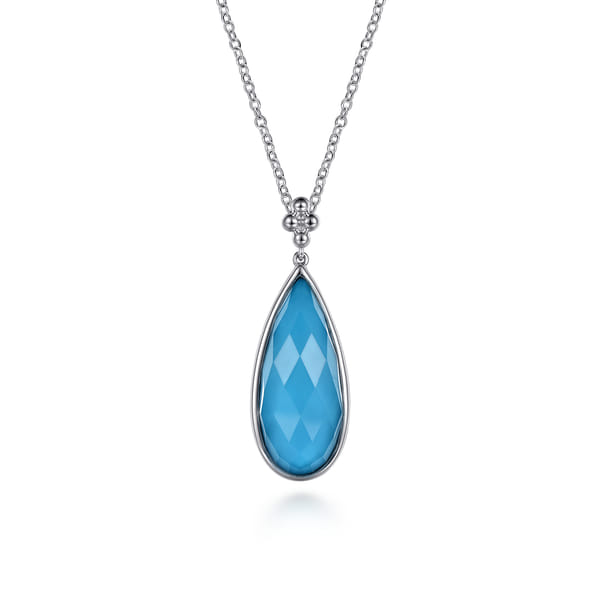
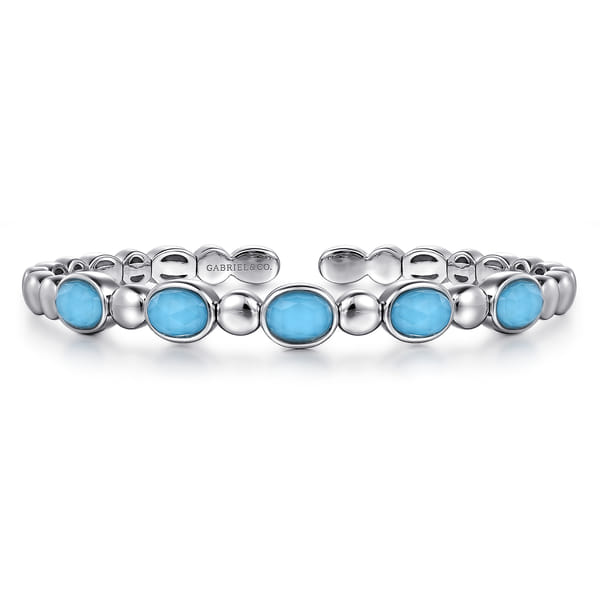
Necklaces, pendants, and earrings are safe choices for all three stones. For rings, choose protected settings for turquoise or tanzanite. Gabriel & Co. offers a stunning selection of turquoise and blue topaz jewelry, perfect for gifting and highlighting December’s signature blues.