Good to Have You Back

Where you wear your rings is rarely random. From ancient Egypt to Victorian England to today's fine jewelry cases, the finger you choose has carried meaning across thousands of years of human history. This guide covers every finger on both hands, the cultural traditions behind each placement, what the left hand means versus the right, and how modern wearers are reinterpreting these conventions on their own terms.
Quick reference: Ring placement meaning
| Finger | Core Meaning | Commonly Worn |
| Thumb | Willpower, independence, self-assertion | Bold bands, statement rings |
| Index / Pointer | Leadership, ambition, authority | Signet, cocktail, statement rings |
| Middle | Balance, responsibility, self-awareness | Eternity bands, stackable rings |
| Ring (4th) | Love, commitment, partnership | Engagement rings, wedding bands, promise rings |
| Pinky (5th) | Intuition, communication, status | Signet rings, delicate fashion rings |
Left hand vs. right hand: Does it matter?
Before diving finger by finger, it helps to understand what the two hands represent. In most Western traditions, the left hand is considered the emotional or receiving hand, tied to personal commitment and romantic love. The right hand is the active, outward-facing hand, associated with professional achievement, social identity, and self-expression.
That said, this framework is culturally specific. In Germany, Russia, Norway, Greece, Ukraine, India, and much of Eastern Europe and Latin America, wedding rings are worn on the right ring finger. In Jewish tradition, a ring is placed on the right index finger during the wedding ceremony.
The practical takeaway: finger placement tends to carry more symbolic weight than which hand it's on. Handedness matters most for wedding and engagement rings, where cultural convention is strongest.
The thumb
What does a thumb ring mean?
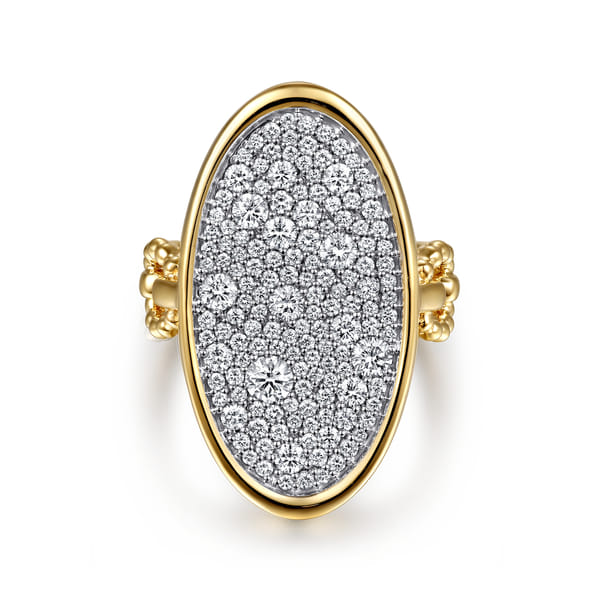
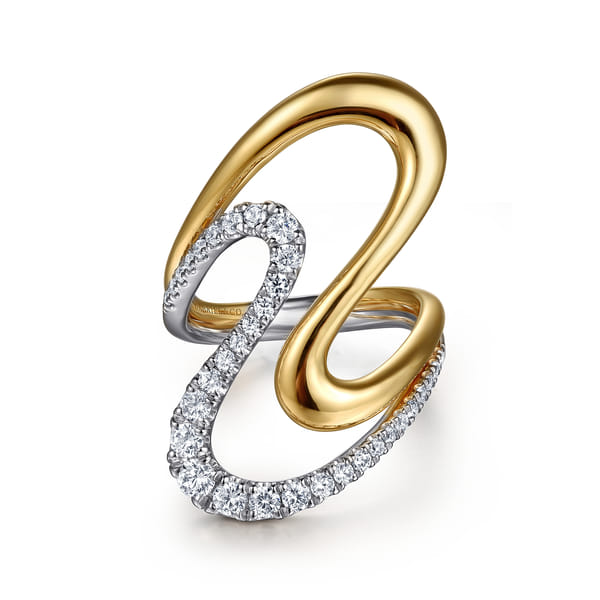
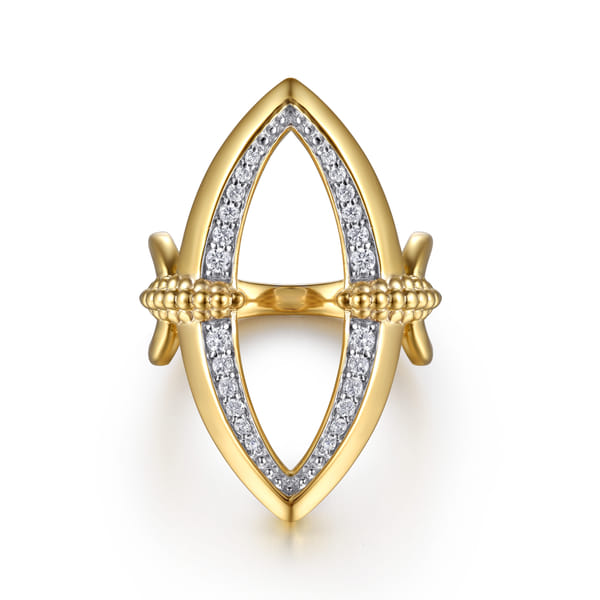
The thumb has no Greek god association, which sets it apart from every other finger in palmistry tradition. What it does carry is a consistent through-line across cultures: strength, individuality, and force of will. Historically, thumb rings were worn by warriors and archery masters to protect the thumb during bowstring release. In ancient Greece, men who wore rings on the left thumb were seen as figures of dignity and power.
Today, a thumb ring reads as a deliberate departure from convention. Wide, architectural, and sculptural pieces are the natural fit here. Browse our statement rings for bold silhouettes built for this placement.
Shop: Thumb Rings
Left thumb vs. right thumb
In some spiritual traditions, the left thumb relates to intuition and inner wisdom, while the right thumb reflects assertiveness and outward action. In Chinese philosophy, the left thumb represents yin energy and the right represents yang. In practical modern wear, the distinction is mainly stylistic.
The index finger
Ring on index finger meaning
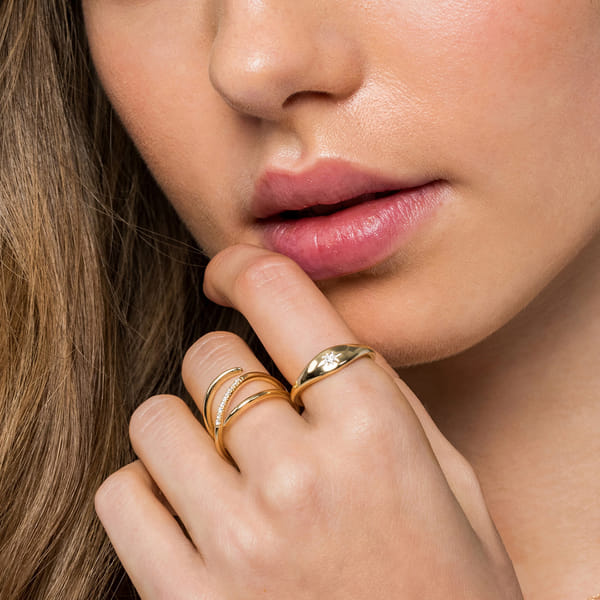
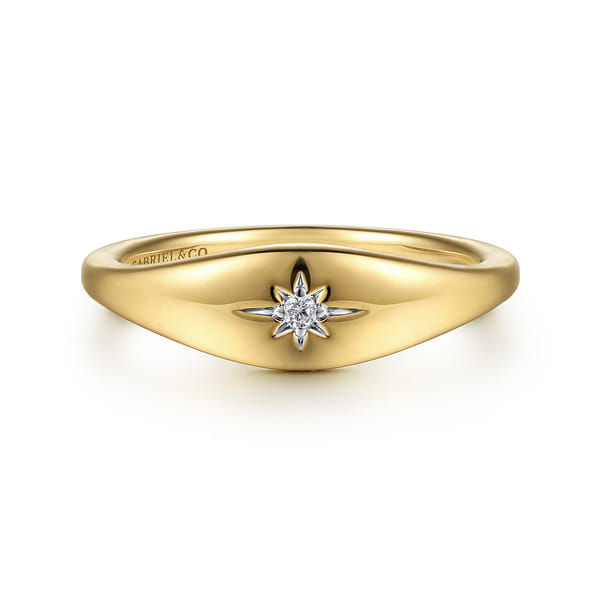
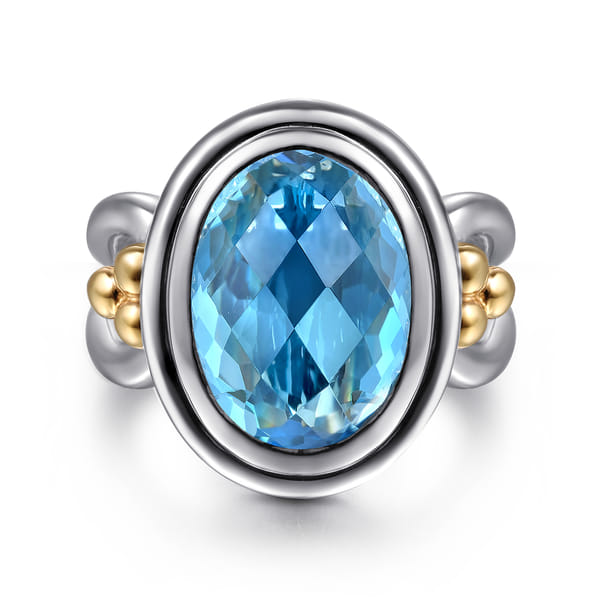
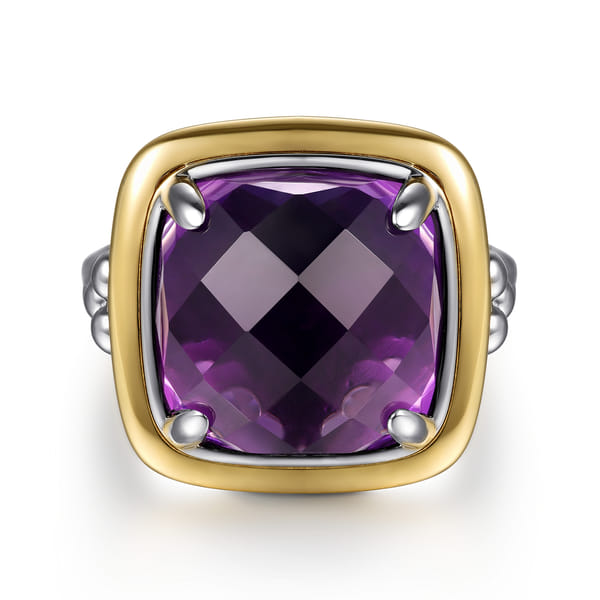
The index finger is ruled by Jupiter in palmistry tradition, the planet of confidence, expansion, and social standing. Historically, this finger was reserved for signet rings worn by royalty and nobility to seal documents and mark family allegiance. A ring here announced power before the wearer said a word.
That meaning has softened but not disappeared. Wearing a ring on the index finger today still reads as a statement of authority and ambition. It's one of the most visible fingers during conversation and gesture, which makes it a natural stage for cocktail rings and signet rings.
Shop: Index Finger Rings
Cultural significance
In Jewish tradition, the ring is placed on the right index finger during a wedding ceremony, then moved after. In many Middle Eastern cultures, the index finger has historically been avoided for rings due to religious custom. Once reserved for royalty, the index finger is now considered one of the bolder ring placements, a signal of strong personal presence and self-possession.
The middle finger
Ring on middle finger meaning
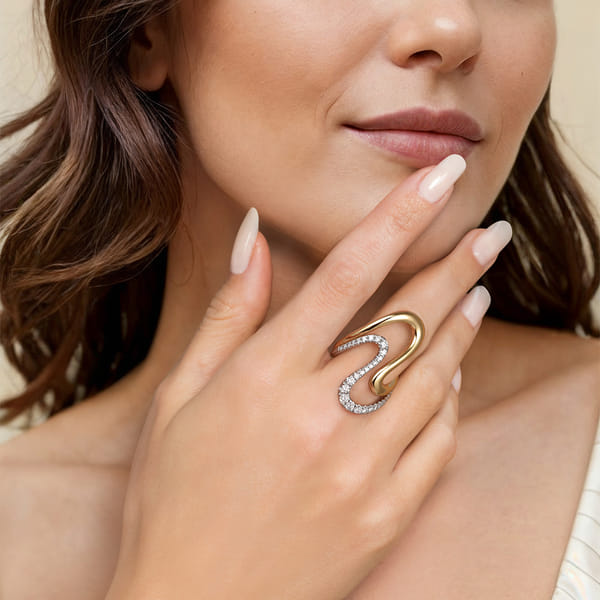
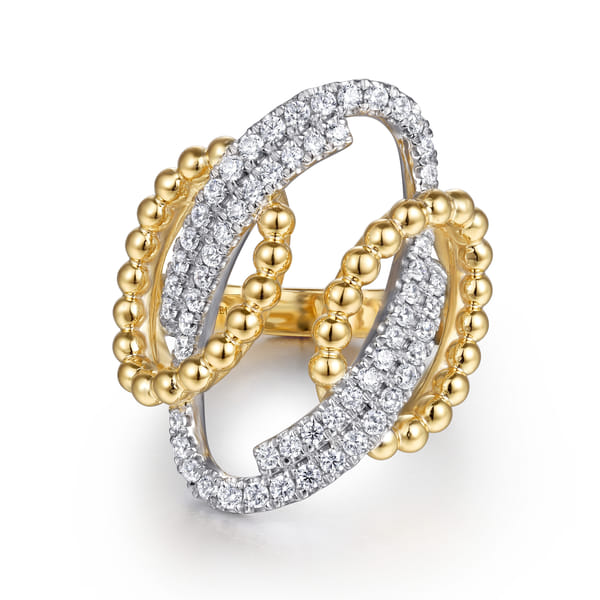
The middle finger sits at the center of the hand, which is the source of most of its symbolism. It is associated with Saturn, the planet of structure, discipline, and responsibility. A ring here is said to reflect balance and introspection, a grounding anchor rather than an outward declaration.
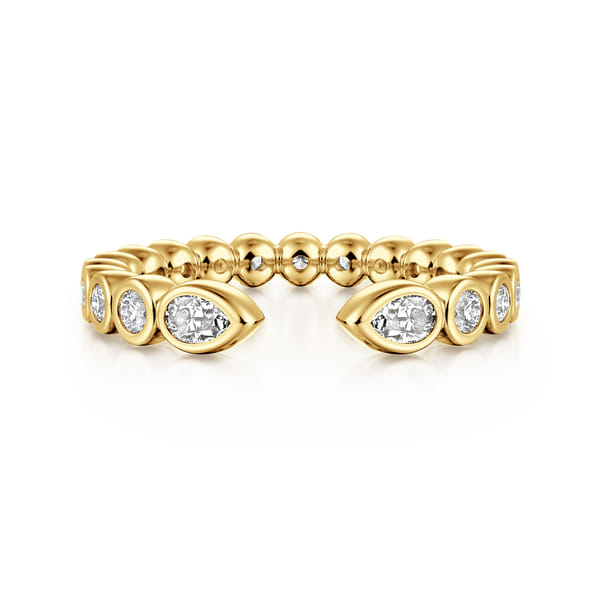
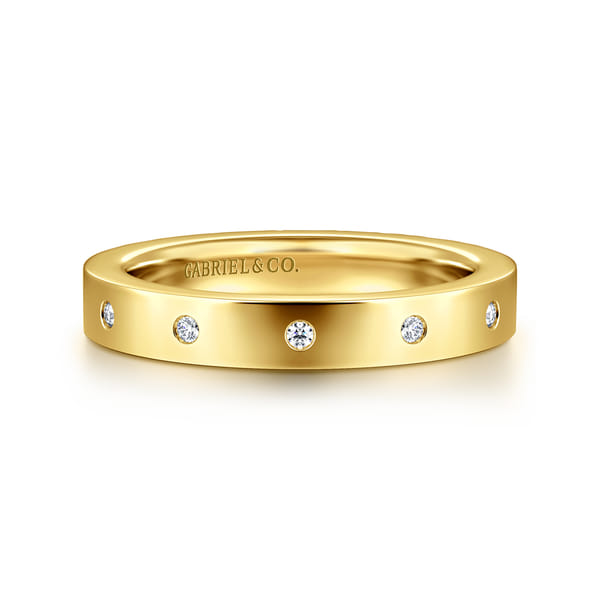
Because the middle finger carries no traditional romantic or cultural obligation, it's a genuinely neutral placement. It's one of the best fingers for eternity bands and structured pieces you want front and center without any social subtext.
Shop: Middle Finger Rings
Practical and stylistic notes
The middle finger is typically the longest and most prominent on the hand, which means it can handle larger, more structured rings. It's also a popular choice for those who want to build a balanced look across multiple fingers.
The ring finger (4th finger)
Ring finger meaning
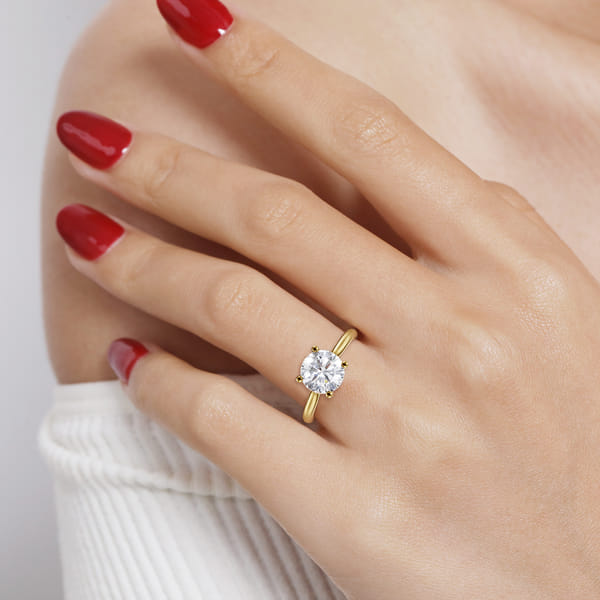
The fourth finger on the left hand has been called the ring finger for centuries, and the reason goes back to ancient Rome. Romans believed a vein called the vena amoris, or "vein of love," ran directly from this finger to the heart. While anatomy has long since disproved this, the symbolism stayed. The ring finger became the universal shorthand for love, marriage, and eternal commitment.
Engagement rings
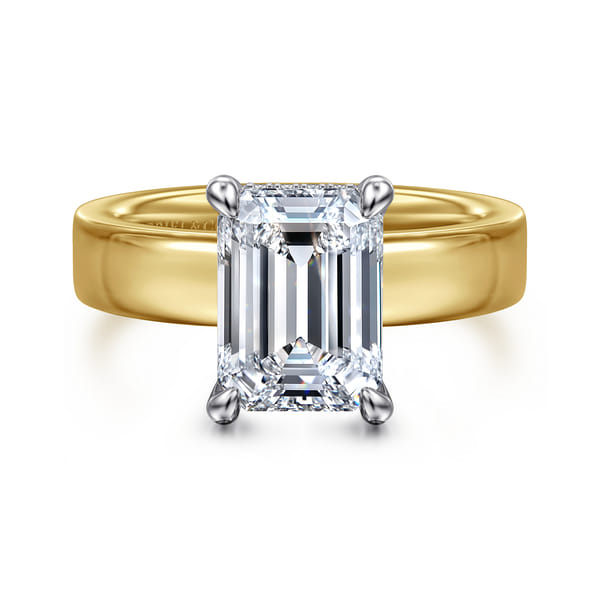
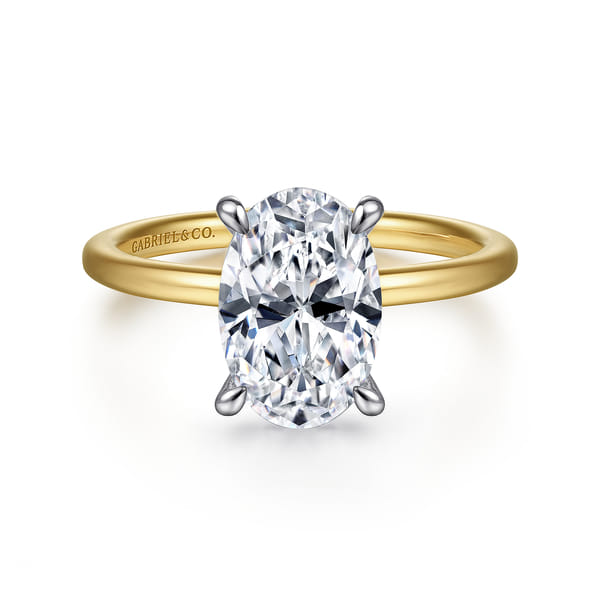
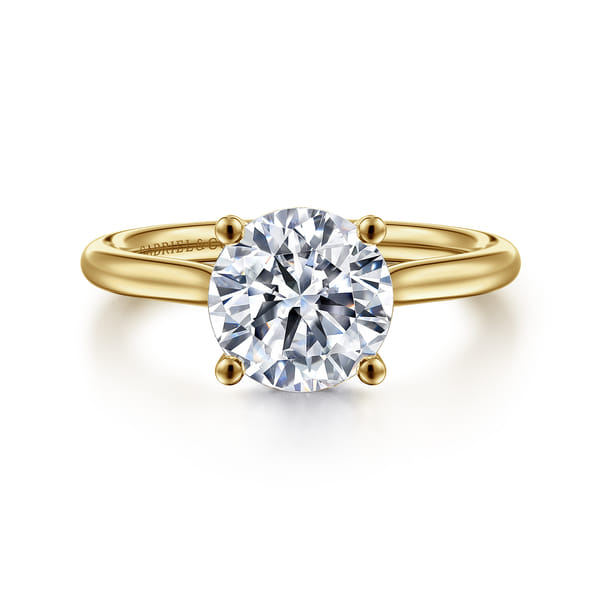
The most significant placement on this finger is the engagement ring. Worn on the left ring finger in most Western countries, it marks a promise to marry. The tradition can be traced to 1477, when Archduke Maximilian of Austria presented a diamond ring at betrothal, sparking a custom that has endured for over five centuries.
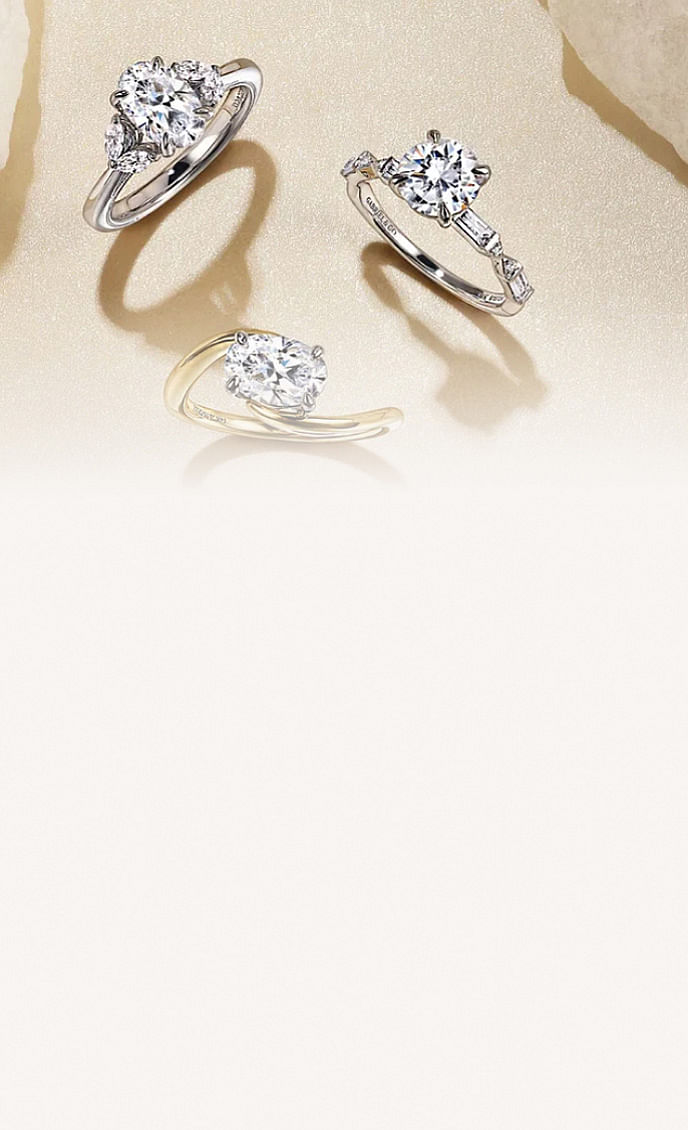
Shop: Engagement Rings
Wedding bands
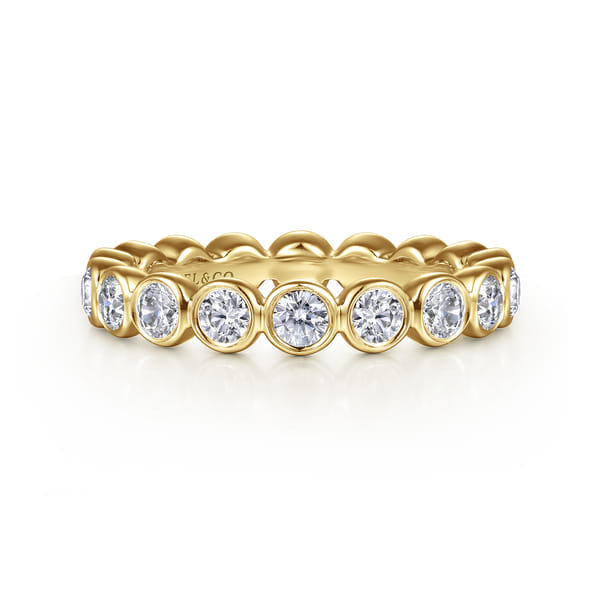
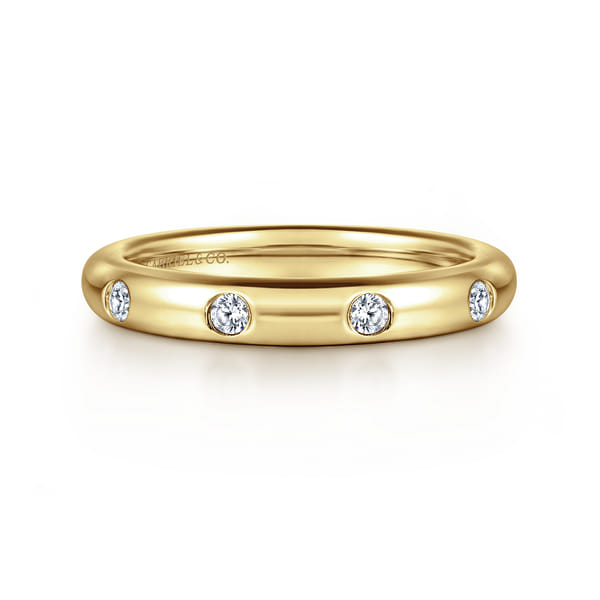
Worn alongside or in place of the engagement ring, the wedding band seals the commitment made at the altar. Our stackable wedding rings are designed to layer beautifully with engagement rings, adding diamonds and meaning in equal measure.
Shop: Wedding Bands & Eternity Rings
Beyond bridal: promise rings and right-hand rings
The ring finger is also the natural home for promise rings, which signal commitment without a formal proposal. On the right hand, it carries no "married" implication in most Western contexts, making it a meaningful but socially uncomplicated choice for personal milestones, memorial pieces, or self-purchase rings.
To learn more, explore our guides on “What Does a Promise Ring Mean” and “Which Finger Does a Promise Ring Go On.”
Left ring finger vs. right hand ring finger meaning by culture
In Western cultures including the United States, United Kingdom, and France, wedding and engagement rings are worn on the left ring finger. In Germany, Austria, Russia, Greece, Ukraine, India, and much of Latin America, the right ring finger is the traditional placement. In these regions, the left ring finger can actually signal widowhood or divorce in some communities.
The pinky finger (5th finger)
Ring on pinky finger meaning
The pinky is ruled by Mercury, the planet of intelligence, communication, and persuasion. A ring here has historically communicated social position, professional affiliation, and personal confidence. Signet rings worn on the pinky remain a strong tradition across both men's and women's fine jewelry, often engraved with initials, family crests, or meaningful symbols.
Shop: Pinky Rings
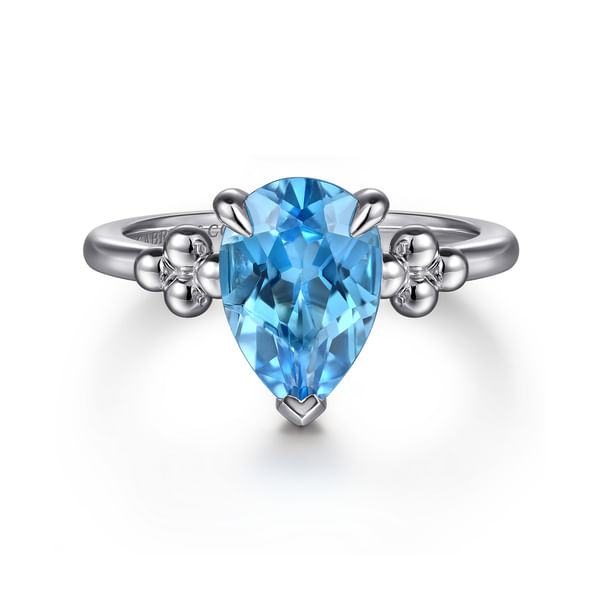
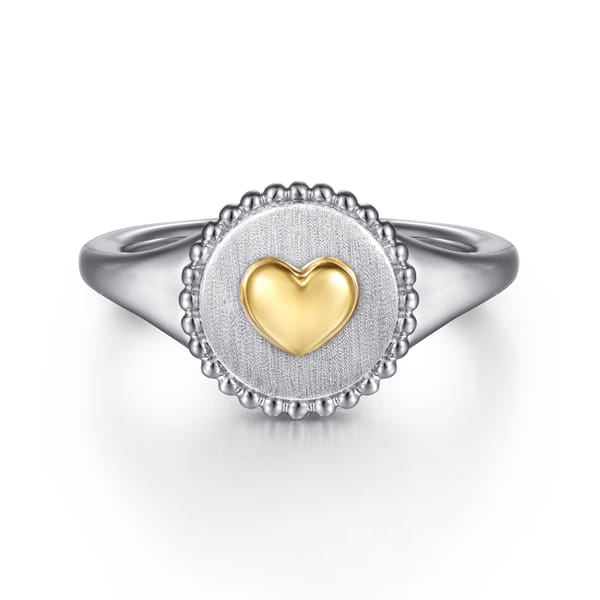
Professional and academic pinky rings
In North America, the pinky ring carries a strong professional tradition in certain fields. Engineers wear an "iron ring" on the pinky of their dominant hand upon graduation as a reminder of professional responsibility. Some law school graduates receive a similar ring through a ceremony marking ethical commitment.
Modern pinky ring wear
For women today, a pinky ring is widely read as a statement of individuality and independence. It's one of the least conventionally loaded fingers, free for fashion-forward choices with no particular social signal attached. Delicate bands and small gemstone rings wear beautifully on the pinky; oversized pieces can look disproportionate given the finger's size.
How to Stack Rings Across Fingers
Wearing multiple rings across several fingers is one of the most popular styling approaches in fine and fashion jewelry today. A few principles that hold across most hand shapes and ring types:
- Mix metal weights, but keep the metal color consistent across the hand for a pulled-together look
- Balance larger pieces on longer fingers (index and middle) with slimmer bands on shorter ones (pinky)
- An odd number of rings on one hand tends to look more natural than an even number
- Leave at least one finger bare to let the other rings read clearly
- Avoid wide or chunky rings on the pinky, as they rarely sit proportionally
Spiritual and Astrological Meanings of Ring Placement
For those who approach jewelry with spiritual intention, each finger's planetary association offers a framework for choosing placement based on the energy you want to cultivate. This comes from palmistry traditions rooted in ancient Greek thought:
- Index finger (Jupiter): confidence, expansion, leadership, ambition
- Middle finger (Saturn): structure, discipline, balance, grounding
- Ring finger (Apollo/Sun): creativity, beauty, love, self-expression
- Pinky finger (Mercury): communication, intelligence, intuition, persuasion
- Thumb (no planetary ruler): personal will, independence, raw self
In Feng Shui, ring placement is also considered in relation to elemental energy and wealth attraction. Some traditions hold that wearing a gold ring on the ring finger of the right hand draws positive energy and stability.
Ring Finger Meaning for Men: What the Conventions Are and When to Break Them
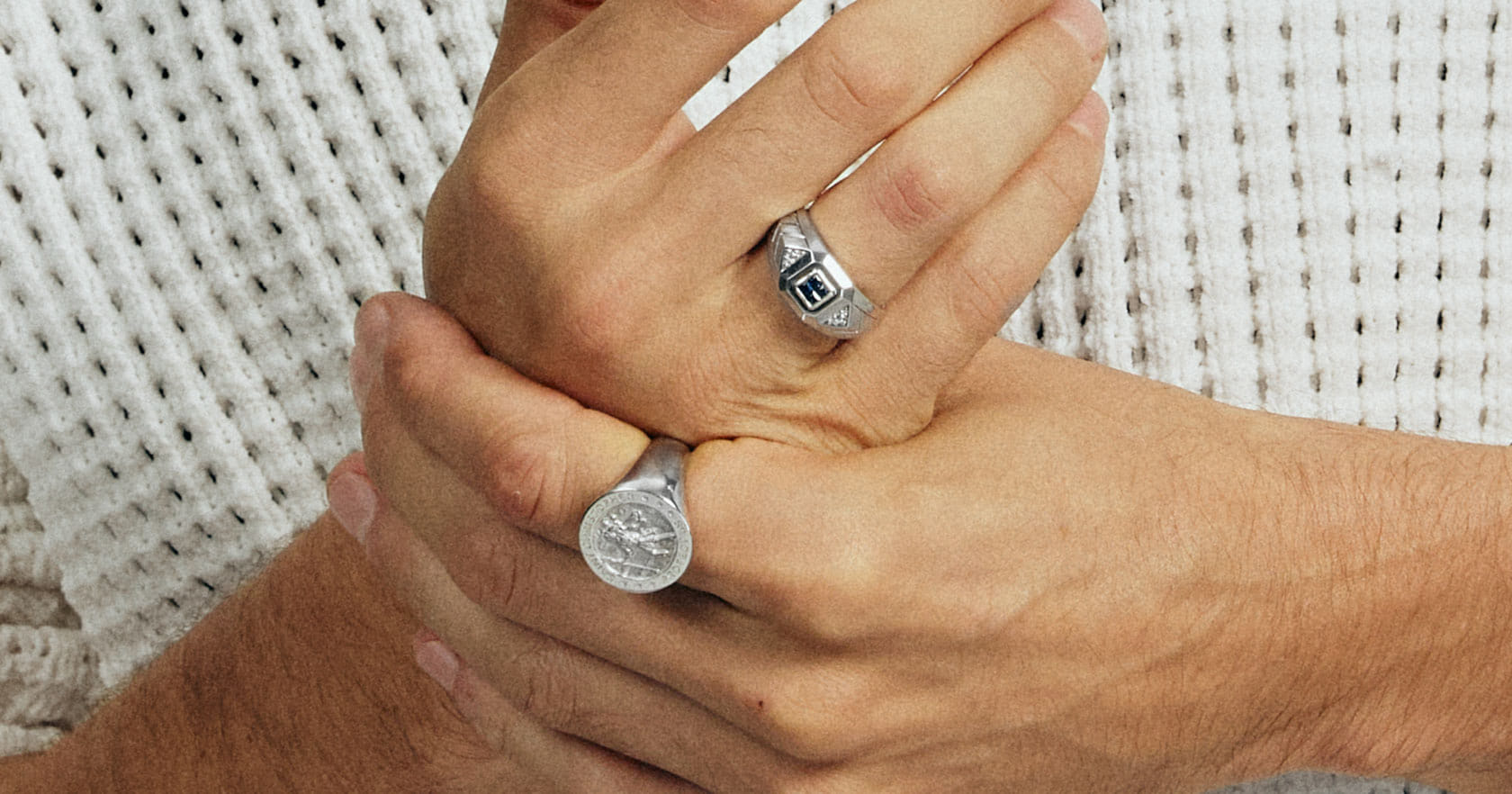
Men's ring traditions follow the same symbolic framework, with a few culturally specific patterns worth knowing. Beyond the wedding band on the ring finger, the most common placements for men are the index finger for authority and bold personal style, the pinky for signet and heritage pieces, and the thumb for power and originality.
The right-hand ring for men has gained significant traction as a way to wear meaningful pieces, family rings, or personal style choices, without any marital implication. Wide bands, heavier metals, and plainer settings tend to dominate, though there are no hard rules beyond proportion.
FAQs
What finger do you wear a wedding ring on?
In Western countries including the US, UK, France, and Scandinavia, the wedding ring is traditionally worn on the left ring finger. In Germany, Russia, Greece, India, Poland, and much of Latin America, it goes on the right ring finger. Both are equally valid traditions rooted in centuries of cultural practice.
What does a ring on the index finger mean?
Historically, the index finger signified authority, power, and high social status. Today it reads as confident and leadership-oriented. It's a popular placement for signet rings and cocktail rings.
What does a ring on the middle finger mean?
The middle finger represents balance, responsibility, and self-awareness. It carries no traditional romantic or cultural obligation, making it ideal for statement rings or eternity bands you want front and center.
What does a ring on the pinky mean?
A pinky ring can signal professional affiliation, family heritage, or personal style. Signet rings are the classic choice here, alongside delicate fashion bands.
What does a thumb ring mean on a woman?
A thumb ring on a woman signals independence, confidence, and a willingness to go against convention. Wide bands and sculptural designs are the strongest choice for this placement.
What is a promise ring and which finger does it go on?
A promise ring represents commitment without a formal proposal. It's typically worn on the ring finger of the right hand, or the left ring finger before an engagement ring replaces it. It's distinct from an engagement ring in meaning and price point, though any ring can carry the intention.
What does a ring on the right hand mean?
In Western tradition, the right hand generally signals achievement, independence, and personal style rather than romantic commitment. A right-hand ring is often a self-purchase piece or a statement of professional success. In many other cultures, the right hand is simply where wedding rings go.
What is the vena amoris?
The vena amoris, or "vein of love," is an ancient Roman belief that a vein ran directly from the left ring finger to the heart. Modern anatomy has shown this to be a myth, but the idea gave the left ring finger its enduring association with romantic love and is why most Western wedding and engagement rings land there.
Do men and women wear rings on different fingers?
The underlying symbolism is the same across genders. The main difference is stylistic convention: men have historically favored signet rings on the pinky, bold bands on the index finger, and wide metals overall. But these are tendencies, not rules. Any ring placement works for any wearer.